How Can Buyers Compare Outsourced Machining Quotes Fairly?
How Can Buyers Compare Outsourced Machining Quotes Fairly?
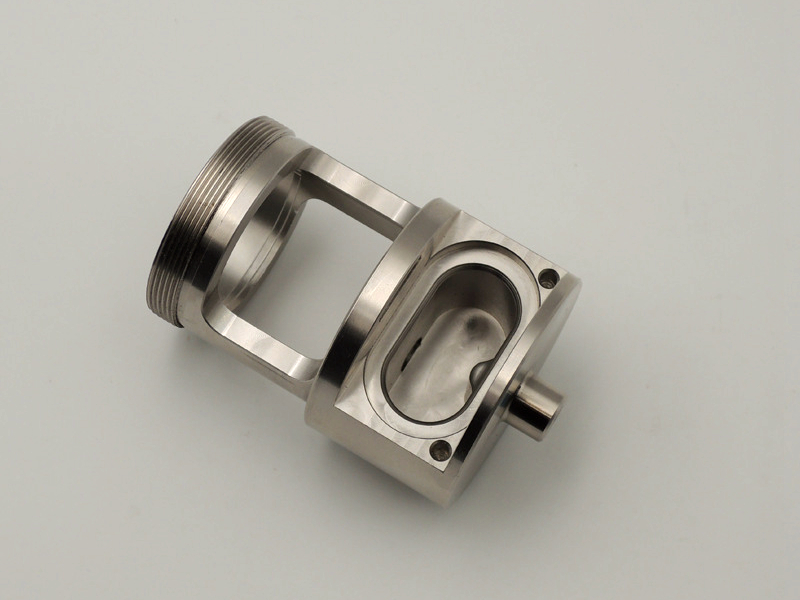
Buyers can compare outsourced machining quotes fairly by holding the drawing, revision, quantity, material, acceptance plan, delivery state, and record requirements constant, then separating one-time, recurring, and quantity-dependent costs. A low unit price may omit programming, fixture, inspection, outside processing, packaging, or rework. The comparison should expose scope and assumptions rather than rank totals that describe different work. The latch-block images show geometry only; they cannot validate a quoted material, tolerance, force, or delivery promise.
Freeze the Common Inputs
Send every supplier the same part number, controlled drawing and model revisions, quantity, material and condition, stock form, critical features, finish, tests, packaging, delivery point, and decision date. Identify which files are released and how questions are recorded. If one supplier quotes a different revision or condition, mark it as a separate scenario. A comparison is not fair when one response includes a change the others were not asked to price.
State the purpose of the lot: prototype fit, production release, second source, bridge capacity, or demand learning. Each purpose can need a different inspection package or schedule. Keep that purpose on the comparison sheet so a fast prototype quote is not ranked against a fully documented shipment quote as if the scope were identical.
Separate the Cost Lines
Request separate lines for programming, fixture or jaw work, material, roughing and finishing, recurring setup, first-piece inspection, recurring inspection, outside processing, cleaning, packaging, freight, and engineering changes. State minimum charges and validity period. A small latch block may require a dedicated support or extra edge work that does not appear in a generic unit price. The buyer should see whether each line is paid once, per lot, per unit, or only after a change.
Ask how quantity breaks change the process. A higher quantity may assume a dedicated fixture, a different material buy, lower inspection coverage, or a different outside-process batch. Show those assumptions beside the price. A discount is not proof of production readiness when acceptance scope changes at the same time.
Expose Inclusions and Exclusions
Ask suppliers to list what is included in inspection, certificates, deburring, cleaning, coating, packaging, shipping, and nonconformance reaction. “Inspect to drawing” is incomplete without datum, method, sample, instrument, and report format. “Standard finish” is incomplete without edge, burr, roughness, and delivered-state boundaries. Mark buyer-supplied gauges, material, or outside processors explicitly.
When a line cannot be estimated, require a trigger and owner. Inspection time may depend on datum access, and outside processing may depend on batch minimum. A transparent pending item is safer than a precise allowance with no evidence. Do not hide uncertainty inside an attractive total.
Compare Process Assumptions
Ask for setup orientation, datum contacts, support, tool access, reversal, stock allowance, coolant, and stabilization assumptions. A supplier may choose turning, milling, drilling, or a combination; compare the functional result and evidence, not the operation name. A curved latch can be cut in several ways, but clamp distortion or inaccessible inspection may change the risk.
Request the feature and check that validates each setup. A second setup should have its own transfer verification. A machine list or tolerance slogan does not prove the part will hold a profile, opening, or edge condition. The buyer should compare the proposed process state and the reaction plan if a critical feature fails.
Compare Evidence Packages
Define the critical-to-quality features and ask each supplier for the same evidence: unit identity, revision, material lot, datum frame, method, instrument, sample, result, and disposition. Include functional assembly where contact or movement matters. A CMM result without alignment or a go gauge without position data is incomplete. If a feature cannot be measured, record the boundary and alternate method.
Keep original readings for reworked or replacement units. A later pass does not erase a failed result. Ask for a redacted first-piece report and a reaction record rather than a generic statement that quality is controlled. Comparable evidence lets engineering judge risk and purchasing judge scope from the same packet.
Compare Schedule and Handoff Scope
Separate machine time from elapsed schedule. Include material lead time, programming, fixture, inspection queue, outside processing, buyer approvals, packaging, and freight. Ask which dates are estimates and which depend on another party. A nominal cycle time cannot guarantee delivery. State the receiving condition and inspection window so a shipment that arrives mixed or scratched is not considered complete.
Compare Change and Risk Controls
Ask how suppliers control a new hole, material condition, fixture, tool, program, inspection method, coating, or packaging state. Require notice, affected units, approver, evidence, cost, and schedule impact. A documentation-only change is valid only when the physical and acceptance states are unchanged. Otherwise, use remeasure, fit check, process trial, or requalification.
Compare failure reactions: containment, expanded inspection, controlled rework, replacement, deviation, or new trial. The response should identify owner and closure evidence. A supplier who states limitations and reactions may be a better fit than one who offers a lower total with no boundary.
Use a Transparent Comparison Sheet
Score technical scope, evidence, schedule assumptions, commercial lines, change control, and delivery state separately. Record the reason for each score and any open item. Do not allow a single low price or broad machine list to outweigh a missing material certificate, datum plan, or inspection reaction. Keep the buyer's technical and commercial owners visible.
Write the Comparison Request in the RFQ
Attach controlled files and require line-item costs, inclusions, exclusions, process assumptions, first-piece format, inspection, outside-process records, packaging, milestones, and change authority. Ask suppliers to identify missing inputs and conditions that would change price or timing. Request a redacted response format so the comparison remains practical without requiring proprietary details.
Choose on Comparable Evidence
Choose a quote when the same requirement is priced, the process and evidence assumptions are visible, and the delivered-state boundary is clear. Hold when totals hide setup or inspection, quantity breaks change acceptance, or a supplier cannot explain reaction to a failed latch feature. The next buyer action is to approve the common scope and comparison sheet before awarding the work.