Can I combine multiple finishes on a single CNC-machined part?
Combining Finishes for Functional and Aesthetic Purposes
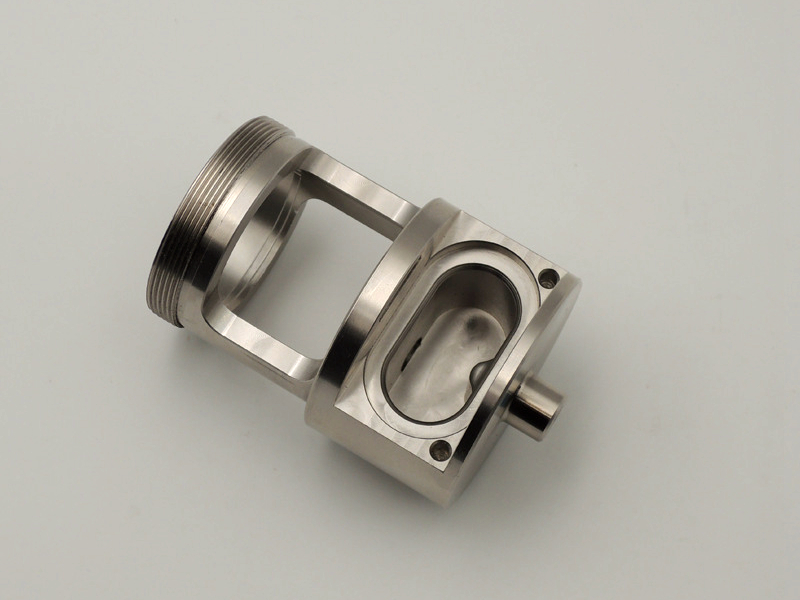
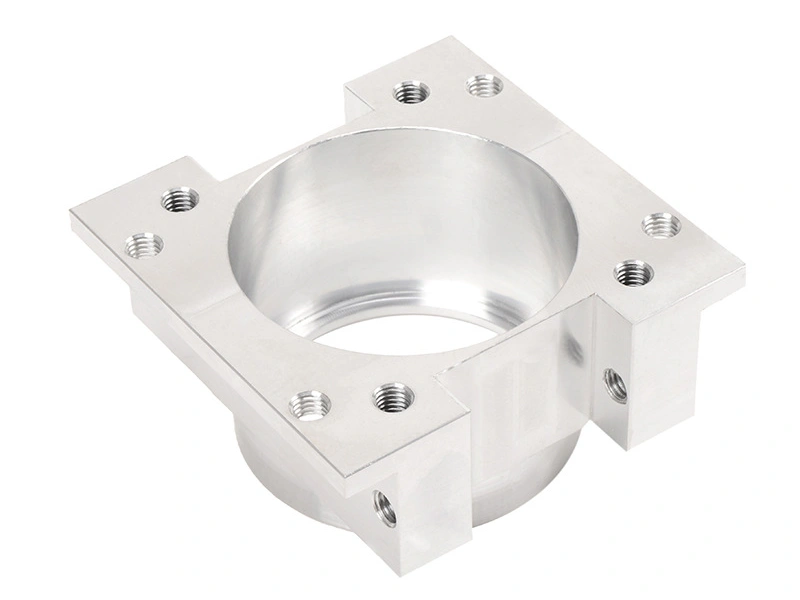
Yes, multiple finishes can share one CNC-machined part when every finish zone, process order, mask boundary, thickness allowance, and final inspection requirement is defined before machining. A single component may need corrosion protection on exterior faces, low friction on a sliding area, bare metal on a grounding pad, and a controlled texture on visible surfaces. Those requirements are feasible after CNC machining or multi-axis machining, but chemically incompatible processes or an incorrect sequence can damage the earlier finish. A feature produced by precision machining can also lose its fit if coating enters a bore, polishing rounds a sealing edge, or a mask line creates a ridge on a sliding face. Buyers should issue a finish map that identifies each zone and states whether every controlled dimension applies before finishing, after one named process, or after the complete finish stack.
Examples of Finish Combinations
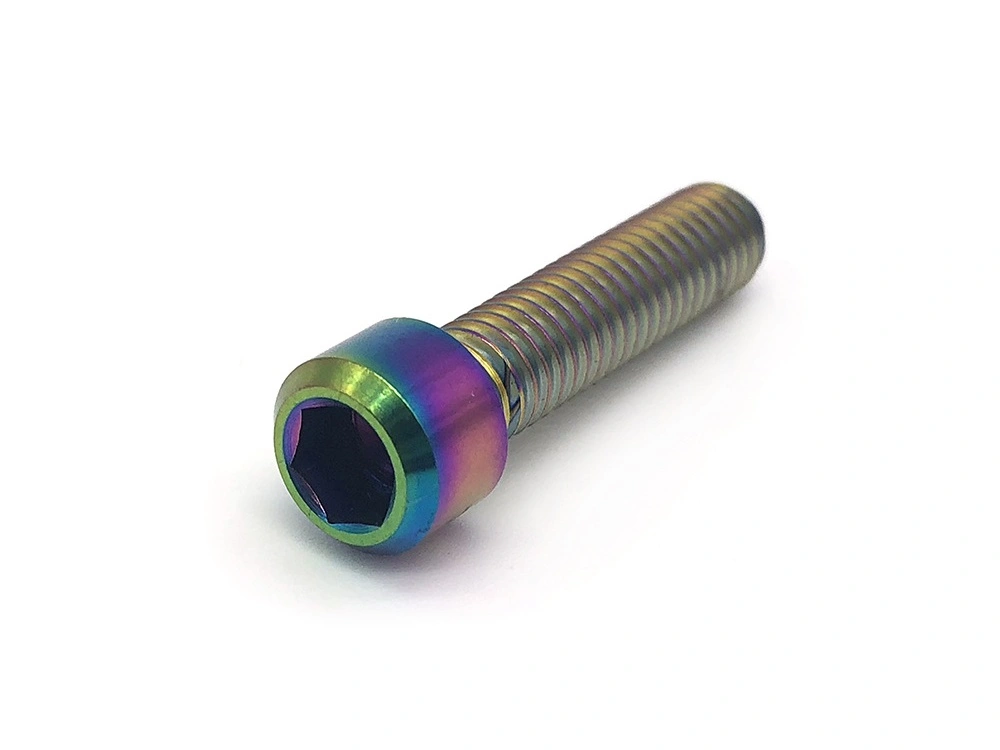
Compatible finish combinations are designed as an ordered process route, not selected as a list of coating names. An aluminum drawing may specify anodizing on most surfaces and CNC part polishing on a cosmetic face before anodizing. Polishing after anodizing can remove or thin the oxide, so any exposed-metal result must be intentional and inspected. Bead blasting followed by PVD coating may create a controlled matte appearance, but the blast profile does not automatically improve adhesion. The PVD supplier must qualify substrate cleaning, roughness, edge condition, and coating continuity for the chosen system. On steel or copper-alloy parts, electroplating and black oxide coating are usually alternative processes or treatments for separate zones; they should not be stacked without a qualified chemical route. A selective Teflon coating can serve a low-friction or chemical-contact zone when substrate preparation, service temperature, thickness, cure conditions, and adjacent finish compatibility are approved. For an aluminum electronics enclosure, a practical route could combine a bead-blasted exterior, clear anodizing, masked grounding pads, and protected threaded inserts. The first article must verify mask-line location, electrical continuity, thread fit, cosmetic texture, and coating coverage at edges.
Material Suitability for Multiple Finishes
Material condition sets the boundary for every multi-finish plan. Aluminum alloys such as Aluminum 6061, Aluminum 7075, and Aluminum 5052, can support blasting, anodizing, masking, painting, or powder coating in selected sequences. Alloy chemistry, temper, pretreatment, welds, and surface texture can change anodized color and corrosion behavior, so one approved sample cannot qualify another alloy automatically. Stainless steels such as SUS316 and 17-4PH, may use passivation and electropolishing when the supplier defines whether the processes are sequential, alternatives, or applied to different zones. The 17-4PH heat-treatment condition remains part of the corrosion and dimensional review. Copper-based materials such as Copper C110 and Brass C360 can be polished, plated, or protected for appearance and corrosion control. Any finish over a current-carrying contact must also meet the electrical resistance, solderability, or bonding requirement. Plastics, titanium, and nickel alloys need separate process reviews because a metal finish sequence cannot be transferred by name alone.
Manufacturing Process Integration
The manufacturing route must show which features are cut, coated, reworked, and inspected at each stage. CNC grinding and CNC boring commonly establish base geometry before chemical conversion or deposited coatings. There are valid exceptions: hard chrome may be deposited oversize and then ground to the finished dimension, while a protected bore may be finish-machined after coating only when the specification permits exposed substrate. Finishes such as chrome plating and powder coating can be selective, but plugs, caps, tapes, fixtures, rack contacts, and spray boundaries leave physical transition zones. Coating can bridge an edge, fill a thread, reduce a bore, increase an outside dimension, or leave a ridge beside the mask. The RFQ should define the process order, nominal and allowed thickness, no-coat zones, permissible rack and mask marks, color or texture comparator, post-finish datum scheme, and inspection method. A new stack requires a first article made with production-intent pretreatment, masking, curing, and handling before the remaining quantity is released.
Industrial Applications
Industry labels do not determine whether a finish stack is acceptable; the functional surfaces and validation evidence do. In aerospace, an aluminum component may need anodizing for environmental protection, bare bonding zones, and another qualified wear treatment at a hinge or slot. In medical devices, electropolishing and passivation may support surface cleanliness and corrosion control on suitable stainless steel, but neither process alone establishes sterility or biocompatibility. The automotive industry may combine plating, paint, powder coating, black oxide, and localized masking to control corrosion, grounding, appearance, and assembly fit. The acceptance plan must distinguish cosmetic and functional transitions. A visible color shift may be unacceptable on a bezel, while the critical issue on a hidden bracket may be a coated slot width, electrical ground path, or fastener-seat thickness.
Conclusion
Combining multiple finishes on one CNC-machined part is practical when the finish stack is treated as a controlled manufacturing process. The buyer should provide the exact material and condition, finish map, operation order, thickness limits, mask boundaries, dimensions that apply after each relevant stage, texture or color standard, electrical requirements, and first-article evidence. The supplier should return a process route that identifies pretreatment, rack or contact locations, curing or post-treatment, permitted rework, and finished-state inspection. Do not release production from an appearance sample alone when bores, threads, seals, sliding fits, or grounding pads are affected. Approve the first article only after the completed finish stack passes dimensional, functional, visual, and coating-specific checks. Keep the approved finish map and process revision with repeat orders so masking and inspection do not drift between lots.