Do ceramic parts require additional post-processing after machining?
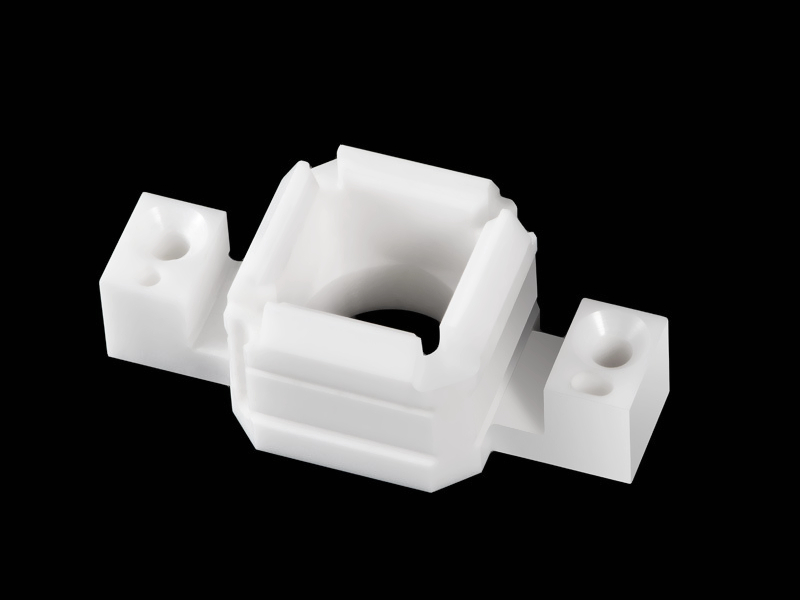
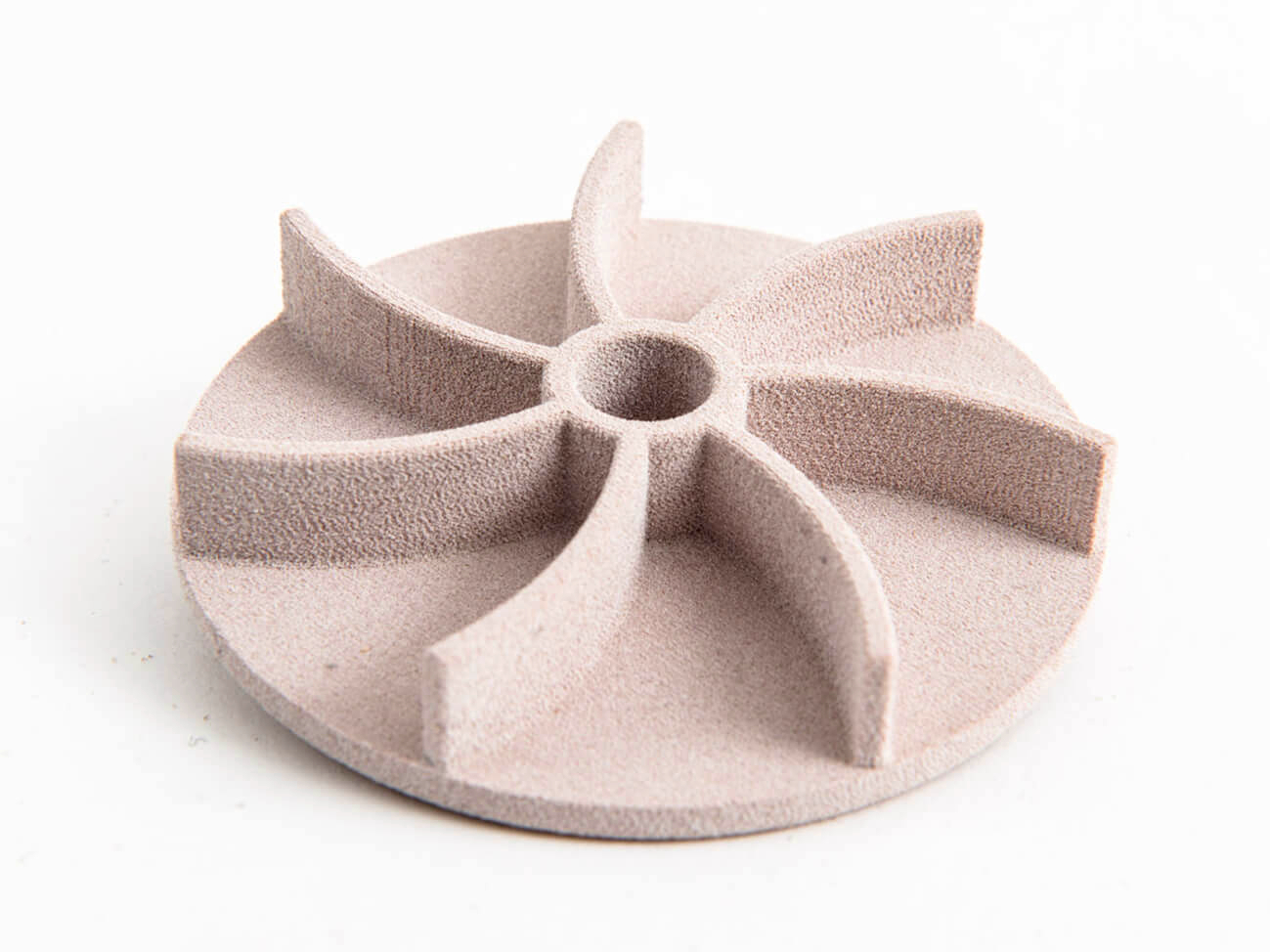
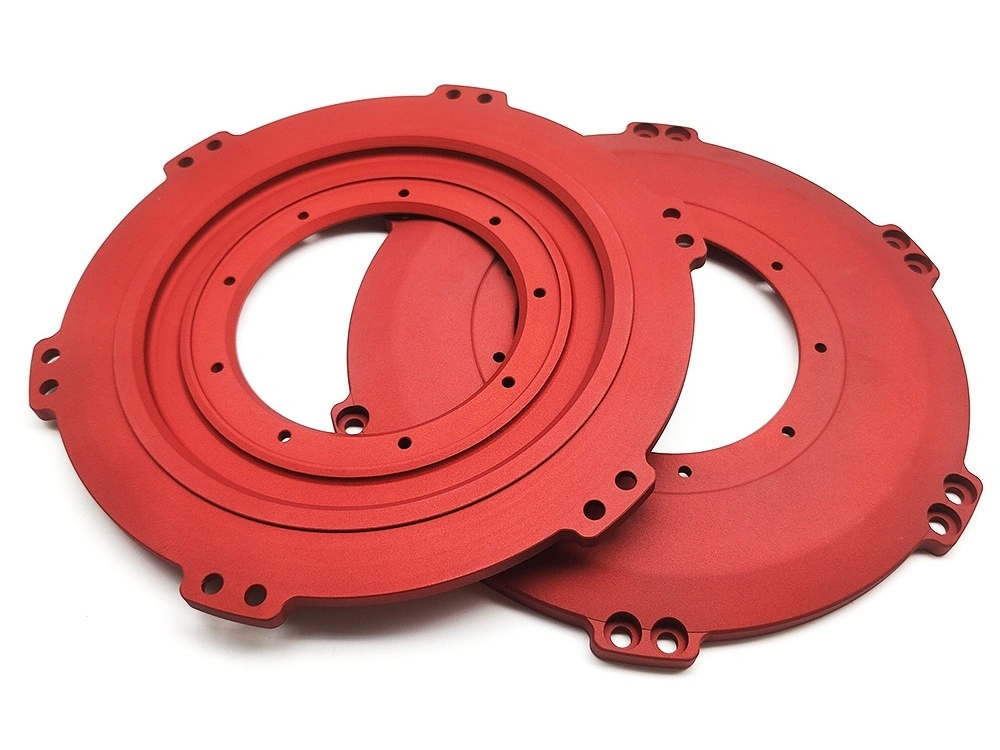
Yes, ceramic parts often need post-processing after machining when the drawing requires a controlled sealing face, edge condition, cleanliness, coating interface, or evidence of acceptable surface integrity. A simple spacer may need only cleaning and final inspection. A Ceramic CNC Machining Service RFQ should identify the ceramic grade, supplied condition, functional surfaces, finishing allowance, and acceptance method because lapping, coating, or heat exposure can change size and fit.
Surface Enhancement and Finishing Processes
Surface enhancement is necessary only where machined texture, flatness, edge condition, or cleanliness misses the functional requirement. Define the affected surface and final acceptance method instead of applying one finish everywhere.
Precision Surface Finishing
Diamond Grinding and Lapping: A qualified CNC Grinding Service route can improve flatness, parallelism, and sealing-face texture. The plan needs stock allowance, datum control, edge protection, and final inspection. A smoother face does not prove that all subsurface grinding damage is gone.
Abrasive Flow Machining: Use abrasive flow only when the ceramic grade, passage geometry, media removal, and edge-rounding risk are qualified. It cannot be assumed to remove every internal crack. A Medical Device component also needs defined residue and cleaning acceptance.
Polishing and Superfinishing: Polishing can reduce roughness and particle retention, but it may round edges, change flatness, or expose grain pullout. Identify polishable surfaces, protected datums, permitted edge break, texture parameter, and post-polish checks.
Thermal and Chemical Treatments
Thermal Stress Relief: A metal-style stress-relief cycle is not a default treatment for fired ceramics. Heat exposure for Alumina (Al₂O₃) or Zirconia (ZrO₂) must follow grade-specific data and the required dimensional or phase-stability checks.
Chemical Etching: Chemical treatment cannot be assumed to erase machining cracks. Reagent compatibility, grain-boundary attack, material removal, rinsing, and residue limits require qualification on the supplied ceramic grade.
Functional Enhancement Treatments
Functional post-processing is justified only when it closes a measurable gap in lubricant retention, coating adhesion, surface resistivity, or environmental stability. Verify the changed property after processing.
Surface Modification for Improved Performance
Laser Surface Texturing: A laser texture can change lubricant retention or bonding in industrial equipment applications. Validate it with the real contact pair because thermal cracking, redeposition, excessive depth, or interrupted sealing lands can defeat the intended result.
Coating Application: A coating needs compatible preparation, adhesion criteria, cured thickness, masking, and environment limits. Thickness can reduce a bore, enlarge an outside diameter, or alter a sealing gap, so inspect affected dimensions after coating.
Hydrophobic/Hydrophilic Treatments: Specify the test liquid, wetting method, temperature, cleanliness state, and aging point. A result measured immediately after application may not survive cleaning or service exposure.
Anti-Static Coatings: Define surface resistance, test voltage, humidity, grounding path, and wear-life condition. The coating must control charge without compromising surfaces that must remain electrically isolated.
Structural Enhancement Processes
Hot Isostatic Pressing (HIP): HIP normally belongs to ceramic material manufacture, not routine finishing after final machining. If Aerospace and Aviation requirements call for density control in Silicon Nitride (Si₃N₄) or Silicon Carbide (SiC), the material supplier should define HIP before final dimensions are machined.
Annealing for Phase Stabilization: The phase stability of Zirconia (ZrO₂) depends on composition, stabilizer, microstructure, temperature, moisture, and stress. A generic anneal cannot replace grade selection. Any approved thermal cycle needs final dimensional and surface verification.
Quality Verification and Validation
Post-processing is complete only after the changed characteristics are verified. Inspection must follow the last operation that can alter size, flatness, edge radius, texture, cleanliness, coating thickness, or crack detectability.
Non-Destructive Evaluation
Dye Penetrant Inspection: ASTM E1417/E1417M-21e1 sets minimum liquid penetrant requirements for nonporous metal and nonmetal components and targets discontinuities open to the surface. It does not reveal sealed subsurface cracks, and absorbent ceramic surfaces can make the method unsuitable.
X-Ray Computed Tomography: CT can assess selected internal geometry or density changes, but voxel size is not feature accuracy. Define part attenuation, scan setup, reconstruction, target defect, and acceptance threshold before choosing CT.
Ultrasonic Scanning: Ultrasonic inspection needs a qualified probe, frequency, coupling method, reference standard, and acceptance rule. Small geometry, curvature, texture, or attenuation can mask reflectors.
Performance Validation Testing
Surface Roughness Verification: ASME B46.1-2019 (R2026) defines roughness, waviness, lay, and surface-texture parameters. The plan should identify the parameter, measurement direction, evaluation conditions, and exact surface. A lone Ra value does not define sealing or wear performance.
Dimensional Validation: Measure critical dimensions, datum relationships, flatness, and edges after the last removal, coating, or thermal step. A pre-process inspection cannot release a feature changed by post-processing.
Functional Testing: Leak, flow, wear, dielectric, or thermal tests are appropriate when geometry cannot demonstrate function. Define the medium, load, temperature, duration, sample plan, and pass/fail criterion.
Application-Specific Post-Processing Requirements
Application-specific post-processing follows failure risk, not an industry label. A seal face, electrical isolator, wear sleeve, medical guide, and furnace fixture can need different evidence despite using the same ceramic family.
Medical and Dental Components
Ceramic components for Medical Device applications need post-processing only where intended use, cleanliness, biological evaluation, sterilization, or surface function requires it:
Biocompatibility Assurance: Cleaning or polishing does not establish biocompatibility. Material identity, residues, tissue contact, exposure duration, cleaning validation, and the buyer's regulatory plan determine the evidence.
Sterilization Validation: The device owner defines the method and cycle. The ceramic supplier can confirm material and finish compatibility, while final validation remains tied to the assembled device and approved process.
Surface Bioactivation: Bioactive coatings or textures are separate controlled processes. Define composition, coverage, adhesion, release limits, and biological test responsibility rather than substituting roughness for biological performance.
Industrial Wear Components
For applications in Industrial Equipment and automation, finish decisions should follow the contact pair, load path, lubricant, contamination, alignment, and temperature:
Controlled Surface Roughness: Lower roughness is not always better. A sliding surface may need lubricant-retaining texture, while a seal may need controlled flatness and waviness. Match the callout to the operating mode.
Edge Radiusing: A controlled radius can reduce handling chips and stress concentration, but excessive rounding can change fit or sealing width. State the edge limit and inspect it after finishing.
Wear Testing: Use the production contact pair, load, speed, lubricant or abrasive, temperature, and inspection interval. A generic hardness value cannot replace a service-representative comparison.
High-Temperature Applications
Components for Aerospace and Aviation and power generation need thermal validation when exposure can change fit, strength, oxidation behavior, or coating adhesion:
Thermal Cycling Validation: Define temperature limits, atmosphere, ramp, dwell, cycle count, constraint, and post-cycle inspection. Recheck critical datums and flatness after the final cycle.
Oxidation Resistance Testing: Non-oxide ceramics can form reaction products in hot oxidizing environments. Grade, atmosphere, temperature, time, finish, and protective coating determine whether testing is needed.
Creep Testing: Creep testing is a material and design validation activity, not a finishing operation. Request it only when sustained stress and temperature make time-dependent deformation relevant.
For quoting, state the ceramic manufacturer and grade, supplied condition, critical datums, finishing allowance, texture, edge limit, cleanliness, coating or heat exposure, functional test, and acceptance method. If these inputs are undecided, release a process-qualification lot before fixing production price or lead time; do not order every listed treatment by default.