What are the CNC parameters for machining aluminium?
What are the CNC parameters for machining aluminium?
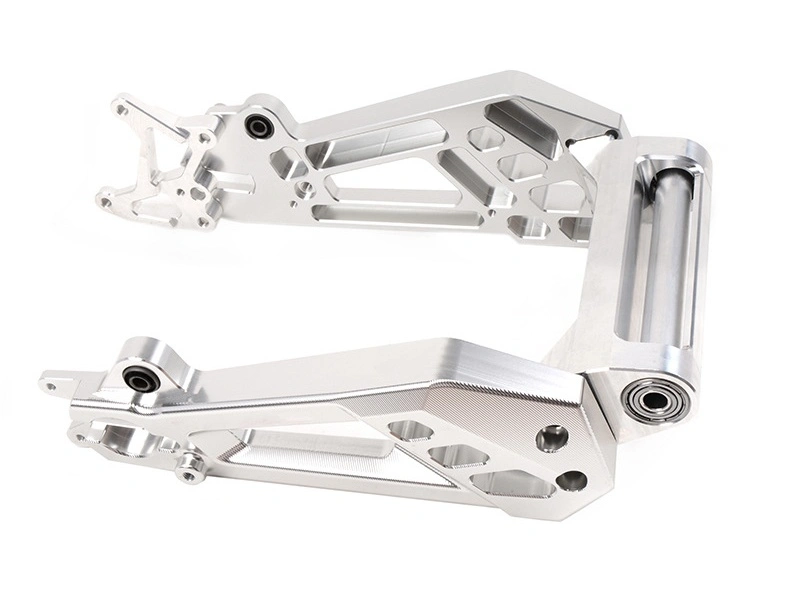
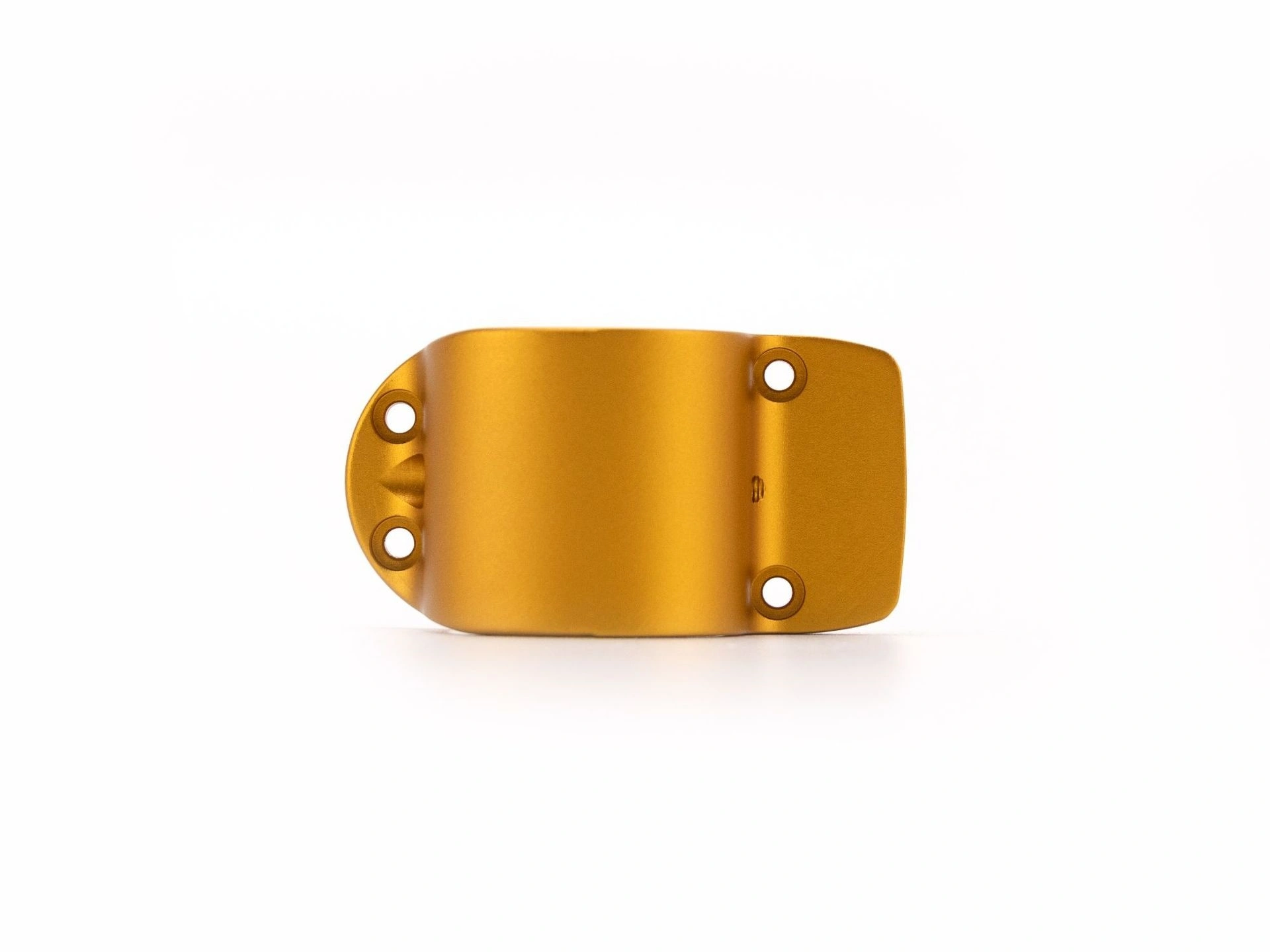
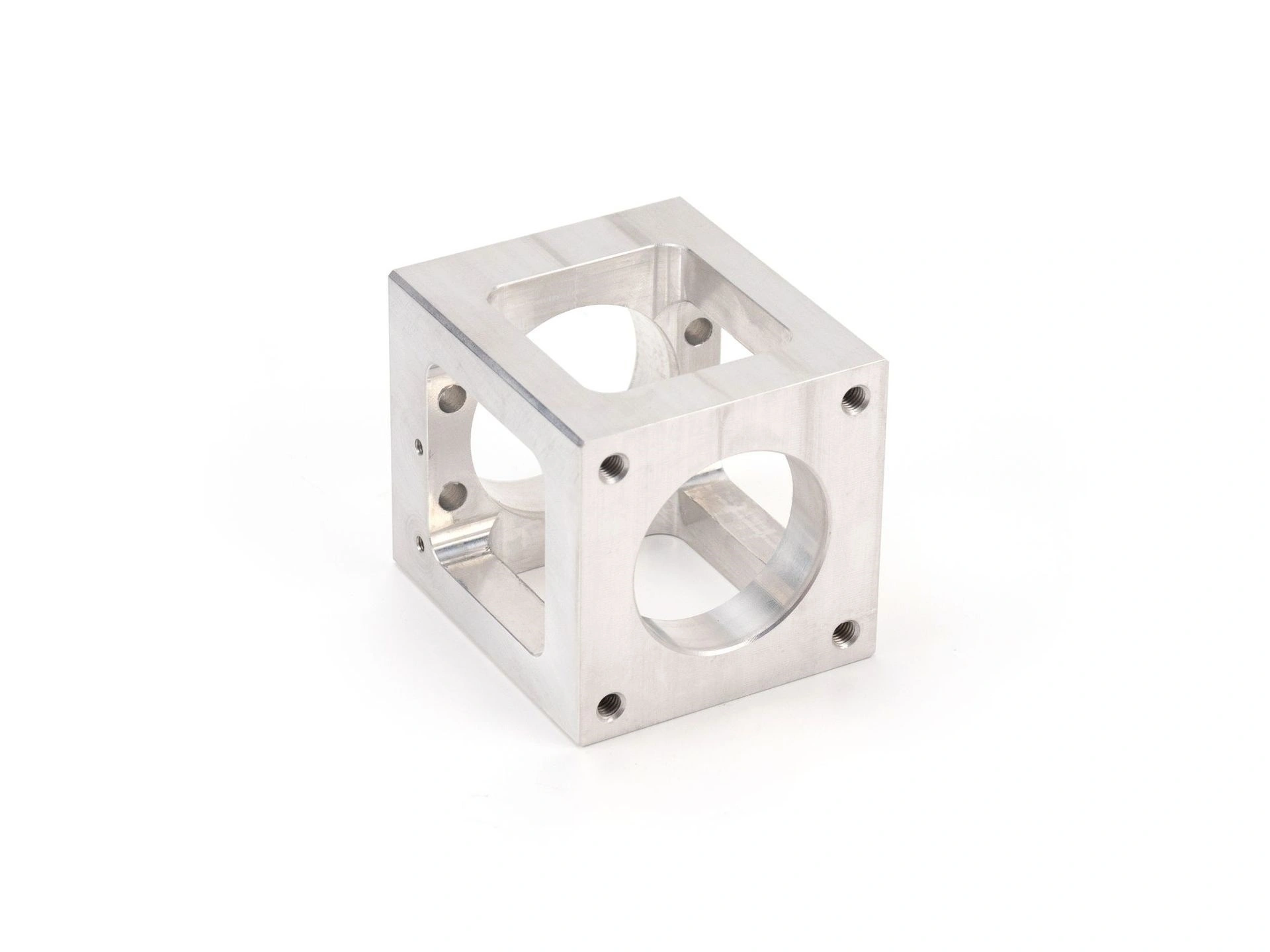
The CNC parameters for machining aluminium mainly include cutting speed, spindle speed, feed rate, depth of cut, tool selection, coolant method, chip evacuation, and finishing allowance. For buyers ordering custom aluminium parts, these parameters should not be selected only from a general machining chart. They should be adjusted based on the aluminium grade, part geometry, tolerance requirements, surface finish target, and production quantity.
Aluminium is usually considered one of the more machinable metals, but incorrect CNC parameters can still cause built-up edge, burrs, poor surface finish, chatter, dimensional drift, or tool marks. This is why a professional aluminium CNC machining project should begin with a review of the alloy, drawing, critical features, and final application before confirming the machining process.
1. Cutting Speed and Spindle Speed Should Match the Aluminium Grade
Aluminium can often be machined at higher cutting speeds than stainless steel, titanium, or superalloys, but the correct range depends heavily on the alloy and cutting tool. Softer aluminium grades may create built-up edge if the tool is not sharp enough or if chips are not removed properly. Stronger grades such as Aluminum 6061-T6 and Aluminum 7075-T6 usually require stable cutting conditions to balance speed, tool life, and dimensional accuracy.
For buyers, the key point is not to ask for the fastest possible machining speed. The better question is whether the supplier can choose a stable speed window that protects tolerance, surface finish, and repeatability across the full batch.
Parameter | Why It Matters |
|---|---|
Cutting speed | Affects cycle time, heat generation, tool wear, and surface quality |
Spindle speed | Must match tool diameter, machine stability, and aluminium grade |
Tool sharpness | Helps reduce built-up edge, burrs, and poor surface finish |
2. Feed Rate Controls Surface Finish, Chip Formation, and Size Accuracy
Feed rate is one of the most important CNC parameters for aluminium machining because it directly affects chip thickness, cutting stability, surface finish, and part accuracy. If the feed is too low, the tool may rub instead of cut, increasing heat and built-up edge. If the feed is too high, the part may show rough surfaces, oversized burrs, vibration marks, or dimensional variation.
In practical CNC milling work, roughing feed rates should support efficient material removal, while finishing feed rates should focus on clean surfaces and stable dimensions. For thin walls, small pockets, fine holes, and cosmetic surfaces, feed rate should be more conservative and supported by proper fixturing.
3. Depth of Cut Should Balance Efficiency and Part Stability
Depth of cut includes both axial depth and radial engagement. In aluminium machining, aggressive roughing can remove material quickly, but it may create heat, vibration, fixture movement, or deformation if the part is thin or weakly supported. For precision aluminium components, the process should usually separate roughing, semi-finishing, and finishing operations.
This is especially important for parts with thin walls, large pockets, sealing surfaces, mounting faces, or tight-tolerance bores. The supplier should leave enough finishing allowance after roughing so that final passes can correct small deformation and achieve more stable dimensions.
Machining Stage | Main Goal | Buyer Concern |
|---|---|---|
Roughing | Remove material efficiently | Control heat, vibration, and fixture stability |
Semi-finishing | Stabilize geometry before final cutting | Reduce deformation risk on precision features |
Finishing | Achieve final tolerance and surface finish | Protect critical dimensions and visible surfaces |
4. Tool Selection Is Critical for Clean Aluminium Machining
Aluminium machining normally benefits from sharp cutting edges, polished flutes, suitable rake angles, and strong chip evacuation. Tool geometry matters because aluminium chips can stick to the cutting edge when heat and friction are not controlled. This can damage surface finish and reduce size consistency.
For custom aluminium parts, the tool strategy should be selected according to feature type. Pockets, slots, threads, drilled holes, chamfers, and sealing faces may each require different tooling decisions. This is why aluminium machining projects often involve both milling and CNC drilling operations rather than one simple cutting setup.
5. Coolant and Chip Evacuation Help Prevent Built-Up Edge
Coolant, mist, or air blast can help remove chips, reduce heat buildup, and improve tool life. In aluminium CNC machining, chip evacuation is especially important for pockets, slots, deep holes, and narrow internal features. If chips remain trapped in the cutting zone, they may scratch the surface, damage the tool, or affect final dimensions.
For buyers, this means the supplier should not only discuss cutting speed and feed rate. They should also review whether the part design allows reliable chip removal, especially for deep cavities, intersecting holes, threaded features, and complex internal geometry.
6. Tolerance and Surface Finish Requirements Change the Parameter Strategy
The CNC parameters for aluminium should be different when the part requires tight tolerances, cosmetic surfaces, sealing faces, or assembly-critical dimensions. A general tolerance part may allow faster cutting and simpler inspection, while a precision aluminium component may need slower finishing passes, controlled tool wear, stable fixturing, and additional inspection.
For example, a decorative aluminium housing, a robotic bracket, an optical fixture, and an aerospace structural part may all use aluminium, but their machining priorities are different. Buyers should define which surfaces are functional, which features are cosmetic, and which dimensions control assembly. This helps the supplier avoid over-machining non-critical areas while protecting the features that matter most.
Feature Type | Parameter Priority | Why |
|---|---|---|
Sealing face | Stable finishing and surface finish control | Directly affects leakage, contact, or assembly performance |
Threaded hole | Correct drilling, tapping, and chip removal | Prevents thread damage and assembly failure |
Thin wall | Lower cutting force and controlled finishing | Reduces deformation and chatter risk |
Cosmetic outer surface | Tool path and finishing consistency | Improves appearance before anodizing or other finishes |
7. Aluminium Alloy Selection Affects Machining Parameters
Different aluminium alloys do not behave the same during CNC machining. A general aluminium alloy selection should consider strength, machinability, corrosion resistance, weight, surface finish, and post-processing. Common choices such as Aluminum 6061, Aluminum 7075, Aluminum 2024, and Aluminum 5052 may require different parameter adjustments.
If the buyer has not confirmed the alloy, the supplier should recommend a material based on the application. For example, some parts prioritize low cost and general machinability, while others require high strength, better corrosion resistance, lightweight performance, or a better surface for anodizing.
8. Cost and Lead Time Depend on How Strict the Parameters Must Be
CNC parameters affect not only machining quality but also quotation, cost, and delivery time. Faster parameters may reduce cycle time, but they are not always suitable for tight-tolerance or cosmetic aluminium parts. Slower finishing passes, additional tool changes, tighter inspection, and careful deburring can increase cost but may be necessary for functional parts.
To receive an accurate quote, buyers should provide 3D CAD files, 2D drawings, aluminium grade, quantity, tolerance requirements, surface finish requirements, and any post-processing needs. A reliable CNC machining supplier can then recommend a machining strategy that balances cost, lead time, and final part quality.