What is the typical build volume of metal SLS machines, and how are larger parts handled?
Typical metal SLS machines, more accurately called PBF-LB/M, DMLS, or SLM systems, often provide build envelopes from about 250 x 250 x 325 mm to 400 x 400 x 400 mm. Qualified large-format platforms can reach 600 x 600 x 600 mm or 800 x 400 x 500 mm classes. Larger parts are reoriented, segmented and joined, combined with a conventionally made base, or assigned to another qualified process. Catalog dimensions do not prove one-piece feasibility. The alloy, oriented geometry, supports, plate release, heat treatment, machining, handling, and inspection must all fit the route. An RFQ should include the bounding box, alloy, critical features, permitted joints, finishing allowances, acceptance tests, and one-piece requirement.
Typical Metal SLS Build Volumes
A metal PBF machine's published X-Y-Z envelope is a screening limit, while its qualified usable envelope is the production limit. Base-plate margins, recoater and gas-flow constraints, support height, coupons, orientation, thermal distortion, and datum access can reduce usable space. Alloys and parameter sets are qualified by platform, so geometric fit with an unqualified material is not a manufacturing plan. Request an oriented layout for the named machine and alloy before approving size.
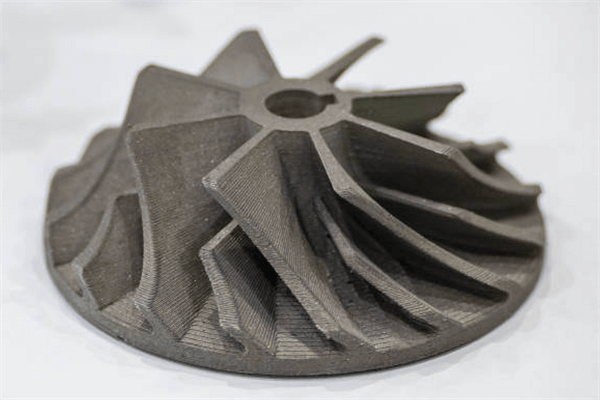
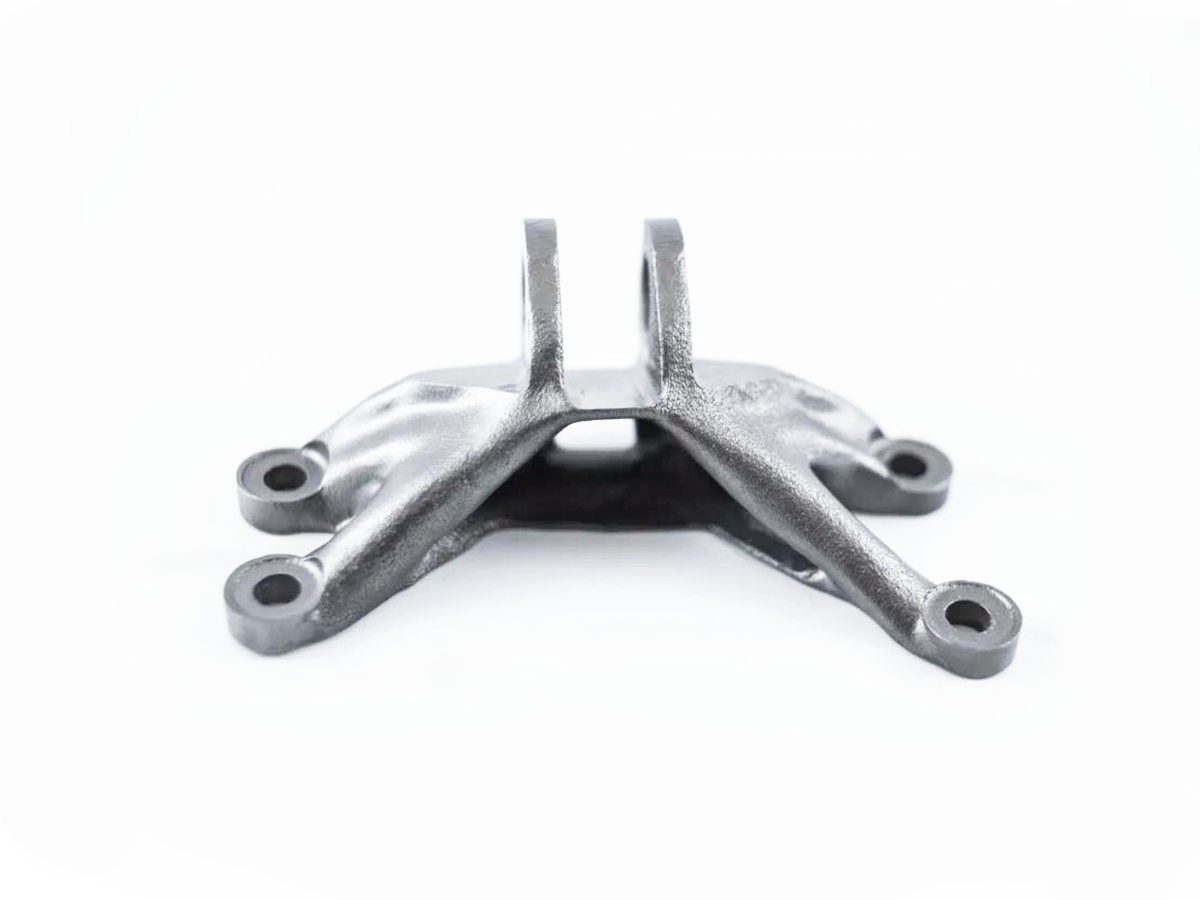
Standard Industrial Range: A representative mid-size equipment class extends from 250 mm x 250 mm x 325 mm to 400 mm x 400 mm x 400 mm. The EOS M 290 specification, for example, lists a 250 x 250 x 325 mm building volume. These dimensions can accommodate selected brackets, manifolds, nozzles, housings, tooling inserts, and implant blanks for aerospace and aviation or medical device programs. Suitability still depends on the approved alloy, orientation, supports, surface state, and product qualification.
Large-Format Systems: Commercial examples include a 600 mm x 600 mm x 600 mm square envelope and an 800 mm x 400 mm x 500 mm rectangular envelope, but dimensions and axis order are machine-specific. A larger chamber may accept turbine sections, heat exchangers, tooling, or structural housings that do not fit a mid-size platform. It also raises overlap-zone consistency, powder inventory, handling, thermal, and downstream-capacity questions. The alloy, parameter set, oriented geometry, thermal route, and inspection plan must be qualified for that platform.
Strategies for Handling Larger Parts
Parts beyond the qualified envelope are handled by orientation changes, segmentation, a hybrid route, a larger platform, redesign, or another manufacturing process. The choice depends on load path, pressure boundary, fatigue exposure, surface function, datums, joining access, and inspection. A printer fit still fails if a joint crosses a seal or the assembled datum cannot be machined and measured. Select the route before completing detail design and quotation.
Part Segmentation (Most Common): Place split lines in accessible, lower-risk regions after reviewing loads, pressure boundaries, fatigue hot spots, corrosion, and service access. Each segment needs support-removal access, joining allowance, assembly restraint, and a datum strategy. The drawing should define whether a joint is permanent, leak-tight, inspectable, replaceable, or prohibited. Verification may require procedure qualification, post-join dimensional inspection, NDT, leak testing, and representative mechanical evidence.
Integrated Joining Features: Interlocking ribs, flanges, dowel holes, tongue-and-groove features, and sacrificial pads can locate segments, but as-built features are not automatically final datums. Thermal processing and plate release can change their relationship. Provide machining stock, clamp surfaces, and measurable references. Confirm assembled geometry after joining and stress relief.
Post-Process Joining: Alloy, thickness, service temperature, corrosion, fatigue duty, and inspectability determine whether Welding, Vacuum Brazing, diffusion bonding, or fastening is appropriate. Welding can introduce a heat-affected zone, distortion, and local property changes; brazing adds filler compatibility and joint-clearance controls. Fasteners preserve disassembly but need load transfer, locking, sealing, and access. Qualify the route before printing because it controls edge preparation, stock, thermal sequence, NDT, leak testing, and acceptance.
Hybrid Manufacturing: A large base may be forged, cast, fabricated, or made by CNC Machining, while PBF produces only geometry that benefits from channels, lattices, or local weight reduction. Direct substrate building is platform- and material-specific; another route joins a separate printed insert to the base. Both require compatible material condition, interface preparation, heat history, datum transfer, stock, joint validation, and inspection.
Design Optimization for the Envelope: Diagonal orientation can increase theoretical length, but the rotated box must include supports, plate margins, coupons, recoater clearance, and removal access. Orientation also changes downskin quality, support scars, build direction, thermal behavior, machining references, and powder drainage. Redesigning a flange, cover, or nonfunctional projection may be safer than rotating a critical long feature. Request an oriented layout and risk review, not only a verbal fit confirmation.
Engineering Considerations for Large Parts
Stress Management: Long spans, thick-to-thin transitions, large cross-sections, and asymmetric supports can accumulate residual stress during PBF-LB/M. Scan strategy, orientation, supports, parameter qualification, and stress relief heat treatment may control cracking or distortion before plate removal. A part can move again after unclamping, joining, or later thermal cycles. Acceptance must identify material condition, restraint state, datums, and inspection stage.
Support Structures: Large shallow surfaces and tall slender walls may need substantial supports for heat transfer, recoater stability, and distortion control. More support increases fused support material, build time, removal forces, surface damage risk, and finishing access. Mark support-permitted and support-prohibited zones. The build plan should show removal tools, sacrificial stock, protected surfaces, and inspection after release.
Powder Management: A large envelope requires powder inventory for the operating bed, not only the fused part mass. Alloy identity, lot traceability, sieving, sampling, reuse limits, contamination controls, storage, and atmosphere exposure affect acceptance. Confirm that qualified powder quantity covers the planned height and contingency. Quotation should separate part mass from inventory, recovery, testing, and changeover work.
Post-Processing Challenges: The plate and released part must fit every handling fixture, separation system, furnace, sandblasting cabinet, machine tool, cleaning station, and inspection setup. Hot Isostatic Pressing (HIP) requires a qualified material cycle and a vessel that accepts the part plus tooling. HIP can reduce suitable internal porosity, but it does not correct unsupported geometry, remove surface-connected flaws, restore datums, or prove final dimensions. Confirm capacities and acceptance checks before build release.
Approve metal SLS build volume as a qualified process-chain envelope, not a printer-box dimension. Request the machine and alloy, oriented layout, supports, coupons, plate-release sequence, thermal route, joint design, machining datums, capacities, and inspection stages. If one link cannot accept or verify the part, use segmentation, a hybrid base, another platform, redesign, or another process. This review prevents a printed part from being stranded by distortion, inaccessible supports, an unqualified joint, or unavailable downstream equipment.