Which surface treatments suit titanium parts used in long-term seawater exposure?
For long-term seawater exposure, titanium parts usually use anodizing or micro-arc oxidation for oxide-based protection, PVD coatings for wear and galling control, thermal sprayed ceramics for erosion, and polishing or controlled surface preparation when crevice and biofouling risk is the main concern. Titanium alloys such as Ti-6Al-4V already resist general seawater corrosion through a passive oxide film, so the surface treatment is selected to control specific service risks. The RFQ should define stagnant or flowing seawater, chloride concentration, temperature, sand content, mating materials, crevice geometry, cleaning interval, and whether the part faces sliding wear, cavitation, or cosmetic inspection.
Recommended Surface Treatments for Seawater Exposure
1. Anodizing
Anodizing thickens and stabilizes the titanium oxide surface with limited dimensional impact, so it is often the first treatment to evaluate for seawater parts that need corrosion support, color identification, or improved bonding without a thick coating.
Benefits for Marine Use: Anodizing can improve resistance to handling wear, mild fretting, and crevice-related surface damage when the joint design and cleaning route are controlled. It can also provide a consistent base for adhesive bonding, sealing, paint, or identification marks when the drawing allows those follow-on steps.
Considerations: Anodizing does not solve every seawater problem. Tight joints, gasket interfaces, threaded assemblies, and shielded gaps can still trap stagnant chloride solution. For parts produced by CNC Machining, the drawing should mark crevice-prone areas, surfaces requiring final cleaning, and dimensions inspected after anodizing.
2. Thermal Sprayed Ceramic Coatings
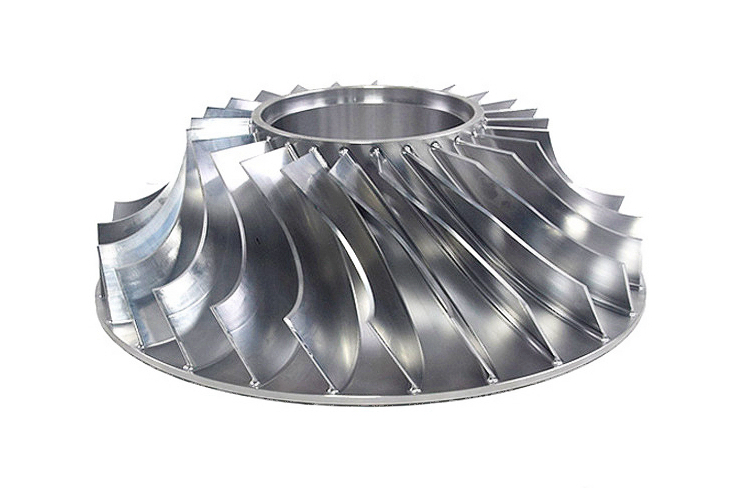
Thermal spray coatings such as alumina (Al₂O₃) or titania (TiO₂) create a thick ceramic barrier for parts exposed to abrasive seawater, slurry, or particle impact. They are not selected mainly for tight precision faces; they are selected when erosion or thermal protection is more important than low coating thickness.
Benefits for Marine Use: These coatings can protect pump impellers, valve bodies, large housings, and exposed equipment where sand-laden water or flow turbulence attacks the surface. They can be useful in oil and gas marine infrastructure when the part geometry allows coating access and later sealing.
Considerations: Thermal sprayed coatings can be porous and may require sealing, grinding, or a qualified bond-strength test. They add significant thickness, so bores, sealing lands, and threaded features need masking or final machining allowance. Edge preparation matters because coating at sharp edges can crack or thin out.
3. PVD (Physical Vapor Deposition) Coatings
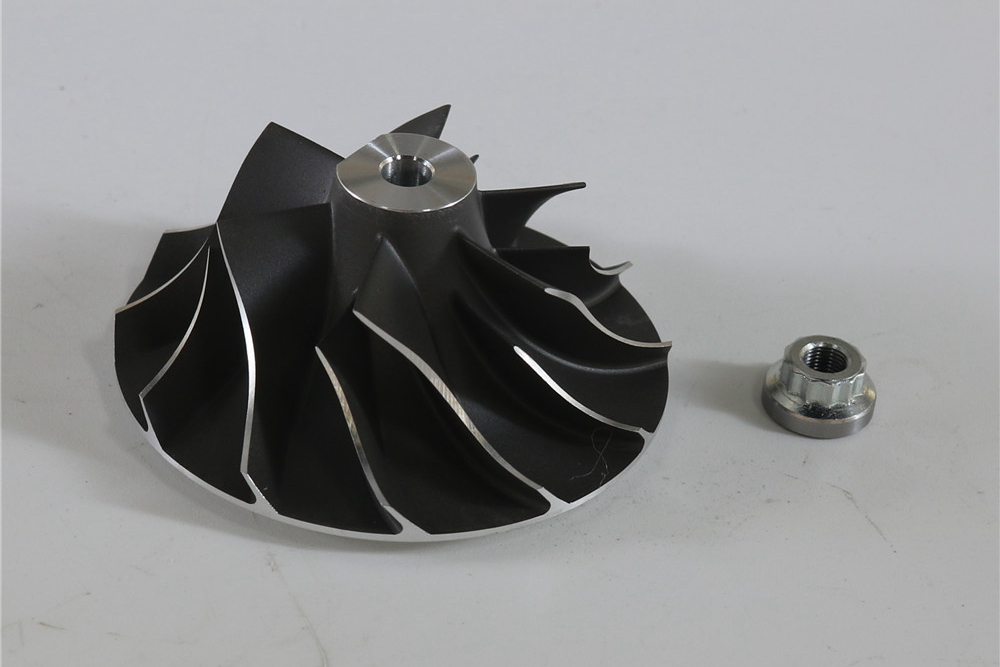
PVD Coatings such as TiN, CrN, DLC-family coatings, or related hard films can be suitable when seawater exposure is combined with sliding contact, galling, abrasive wear, or repeated assembly.
Benefits for Marine Use: PVD can increase surface hardness and reduce friction on shafts, pins, valve seats, fasteners, and selected desalination or power generation components. A smoother hard surface may also reduce biofilm attachment compared with a rougher untreated surface, although it should not be described as an anti-fouling treatment unless a validated anti-fouling system is specified.
Considerations: PVD is line-of-sight, so deep internal grooves, blind holes, and hidden faces may receive little or no useful coating. It is usually reserved for precision machined components where the wear surface, contact direction, coating thickness, and cleaning requirement are clearly defined.
4. Micro-Arc Oxidation (MAO)
MAO grows a thicker ceramic oxide layer on titanium and can be considered when the seawater part needs wear resistance, dielectric behavior, roughened bonding surface, or added protection against abrasion and cavitation.
Benefits for Marine Use: MAO can combine strong adhesion with a hard oxide surface because the coating is grown from the substrate rather than deposited as a separate paint film. It may help parts exposed to particle impact, turbulent flow, repeated handling, or localized abrasion when thickness and roughness are acceptable.
Considerations: MAO changes size and often leaves a rough, porous surface. The process needs allowance planning, masking of critical bores and threads, sealing review for long-term chloride exposure, and post-coating inspection for thickness, roughness, cracks, and mating fit.
Engineering Guidelines for Selection
For General Corrosion and Crevice Protection: Use titanium's natural corrosion resistance as the baseline, then select anodizing, passivation-style cleaning, or controlled surface preparation when crevice geometry, gasket pressure, stagnant seawater, or contamination makes the passive film vulnerable.
For Abrasion and Erosion Resistance: Prioritize PVD, MAO, or thermal sprayed ceramic coatings according to wear mode. PVD suits sliding contact and galling. MAO suits oxide-based wear and dielectric needs. Thermal spray suits larger erosion areas where coating thickness is acceptable.
To Mitigate Biofouling: A smooth, clean, hard surface can reduce attachment compared with a rough contaminated surface, but biofouling control usually depends on cleaning schedule, water temperature, organism load, and any separate anti-fouling coating. Surface treatment alone should not be used as the only anti-fouling plan.
Design and Manufacturing Synergy: The treatment must be integrated with machining, deburring, masking, cleaning, inspection, and packaging. A useful RFQ names the seawater condition, exposure time, mating materials, critical dimensions after treatment, allowable coating thickness, test requirement such as salt spray or immersion exposure, and the action if crevice staining, coating loss, or fit change appears during validation.