How to balance titanium’s higher cost with strict performance and quality needs?
Balance titanium’s higher cost with strict performance and quality needs by proving where titanium creates measurable value and where design, material grade, machining route, and post-processing can reduce waste. The answer is not the cheapest supplier or the most expensive grade. Titanium is justified when strength-to-weight ratio, corrosion resistance, fatigue behavior, temperature performance, or biocompatibility matters under defined service conditions. Cost is controlled by avoiding unnecessary features, selecting the minimum sufficient grade, reducing scrap risk, and specifying only the post-processes that the part function requires. Buyers should compare total accepted-part cost, not only material price or machining hourly rate. If aluminum, stainless steel, or polymer can meet the same validated requirement, titanium may not be the right value choice. If titanium is required, the reason should be visible in the specification.
Strategic Design and Engineering Optimization
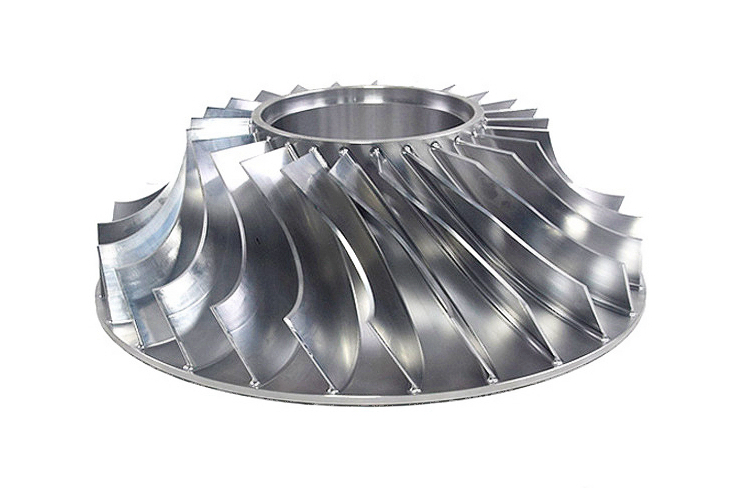
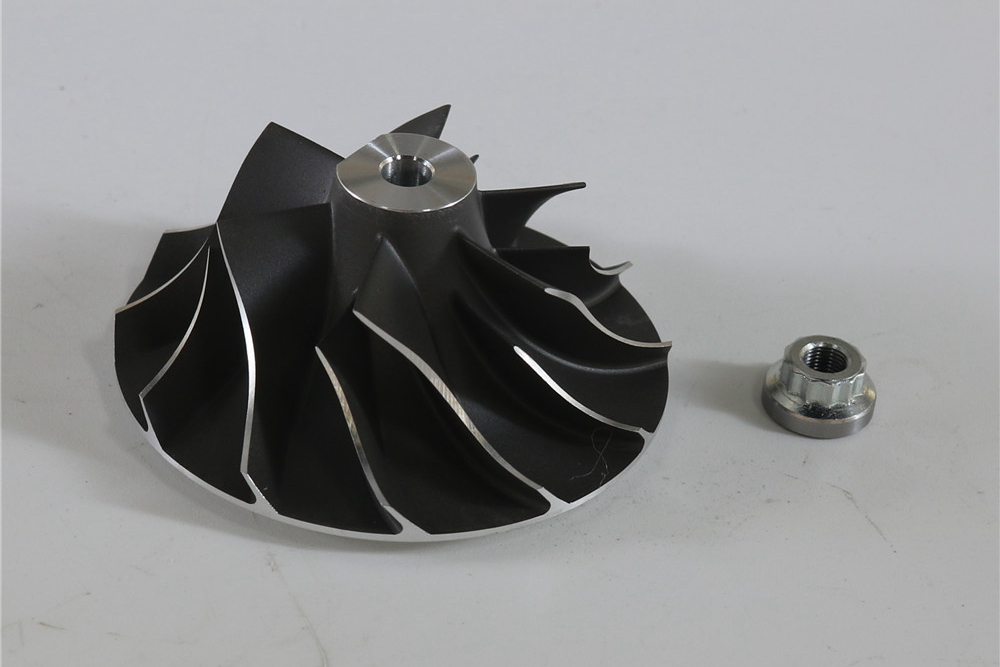
Most cost control is decided before machining starts. Design for Manufacturability (DFM) and topology optimization can reduce titanium stock size, fixture complexity, cycle time, and rework risk when they respect load paths and inspection needs. An early CNC Machining Service review should identify thin walls, deep pockets, small radii, long-reach tools, burr traps, and datum conflicts. Multi-Axis Machining may reduce setups or combine features, but it should be justified by datum control, reach, or assembly reduction rather than novelty. CNC Machining Prototyping should validate the expensive risks before full production: wall movement, surface finish, coating allowance, and whether the design can be inspected repeatably.
Precision Manufacturing to Minimize Waste and Rework
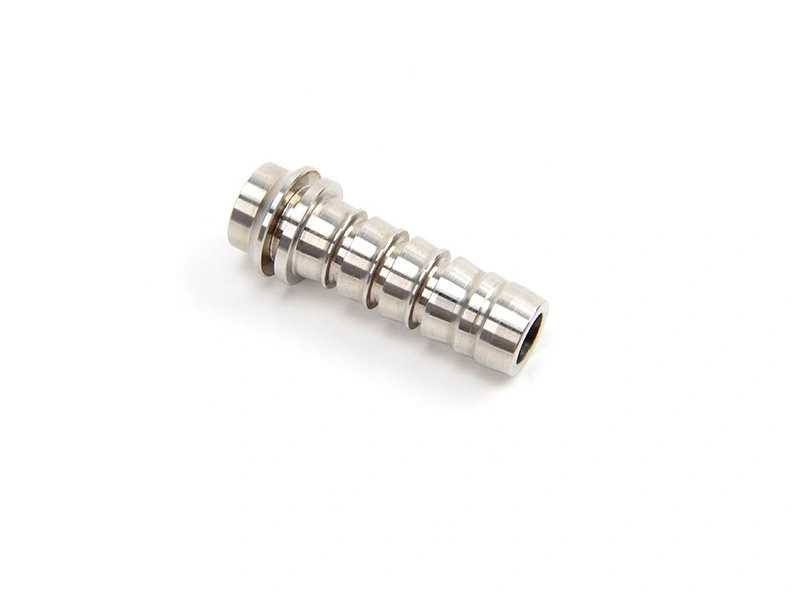
Titanium billet, tool wear, and inspection time make scrap expensive. The value of a Precision Machining Service is not only tight tolerance. It is the ability to prevent avoidable rejects through stable parameters, controlled tool wear, coolant access, fixture planning, and in-process inspection. This includes:
Near-Net-Shape Practices: Choose bar, plate, forging, or preform size close enough to reduce waste, while leaving stock for stress movement, datum cleanup, and post-processing allowance.
Process Stability: Use validated parameters, chip control, high-pressure coolant when appropriate, and tool-change rules to improve first article success and repeatability. The record should show why the chosen route reduces scrap risk.
Comprehensive Quality Integration: Use in-process inspection, final measurement, surface review, and certificate control to catch drift early. The goal is to prevent a quality escape, but inspection must focus on features that affect function, fit, sealing, fatigue, or safety.
Targeted Material and Post-Process Selection
Not every application needs the strongest or most expensive titanium option. A better balance is to select the minimum sufficient grade that satisfies strength, corrosion, temperature, biocompatibility, weldability, and regulatory requirements. A corrosion-focused tube or bracket may not need the same grade as a high-load aerospace fitting, but any substitute must be approved through drawing and material specification. Post-processing should follow the same logic. PVD Coating can add wear resistance and thickness control challenges. Electropolishing may help surface smoothing or deburring under the right chemistry and geometry. The buyer should define required function, final dimension state, and inspection after treatment.
Lifecycle Cost Analysis (TCO Justification)
Titanium’s value is often clearer in a total cost of ownership analysis than in unit price alone. In Aerospace and Aviation and Medical Device projects, titanium may be justified when performance benefits are quantified and tied to the application:
Weight Reduction: Weight savings can support fuel, payload, motion, or ergonomic goals, but the value depends on system-level calculations and qualification cost.
Durability and Reliability: Titanium fatigue and corrosion benefits can reduce replacement or maintenance risk when the grade, surface condition, environment, and stress level match the design case. The benefit should be supported by service conditions, not by material reputation alone.
Biocompatibility: Medical titanium value depends on grade, surface condition, cleaning, sterilization path, regulatory documentation, and design validation. The material choice must be supported by the device requirement and not treated as a generic medical shortcut.
Supplier Partnership as a Strategic Lever
Cost and quality balance depends on supplier discipline. A useful One Stop Service workflow connects material sourcing, machining, deburring, Heat Treatment when specified, surface finishing, inspection, packaging, and document control. The buyer should ask for a cost-risk breakdown: material utilization, setup count, tooling plan, inspection scope, post-process sequence, certificate needs, and rejected-part risk. A lower quote is not better if it omits coating allowance, final inspection after treatment, or traceability. A higher quote is not better unless it explains which performance risk is being controlled and what evidence proves that control. A practical RFQ should separate material cost, machining time, fixture cost, inspection cost, post-processing cost, documentation cost, and expected scrap risk. It should also state whether the buyer accepts an alternate grade, near-net stock, partial shipment, revised radius, or a different finish. These choices affect cost without weakening the performance requirement when engineering approves them. The final comparison should use cost per accepted part, not cost per raw blank.