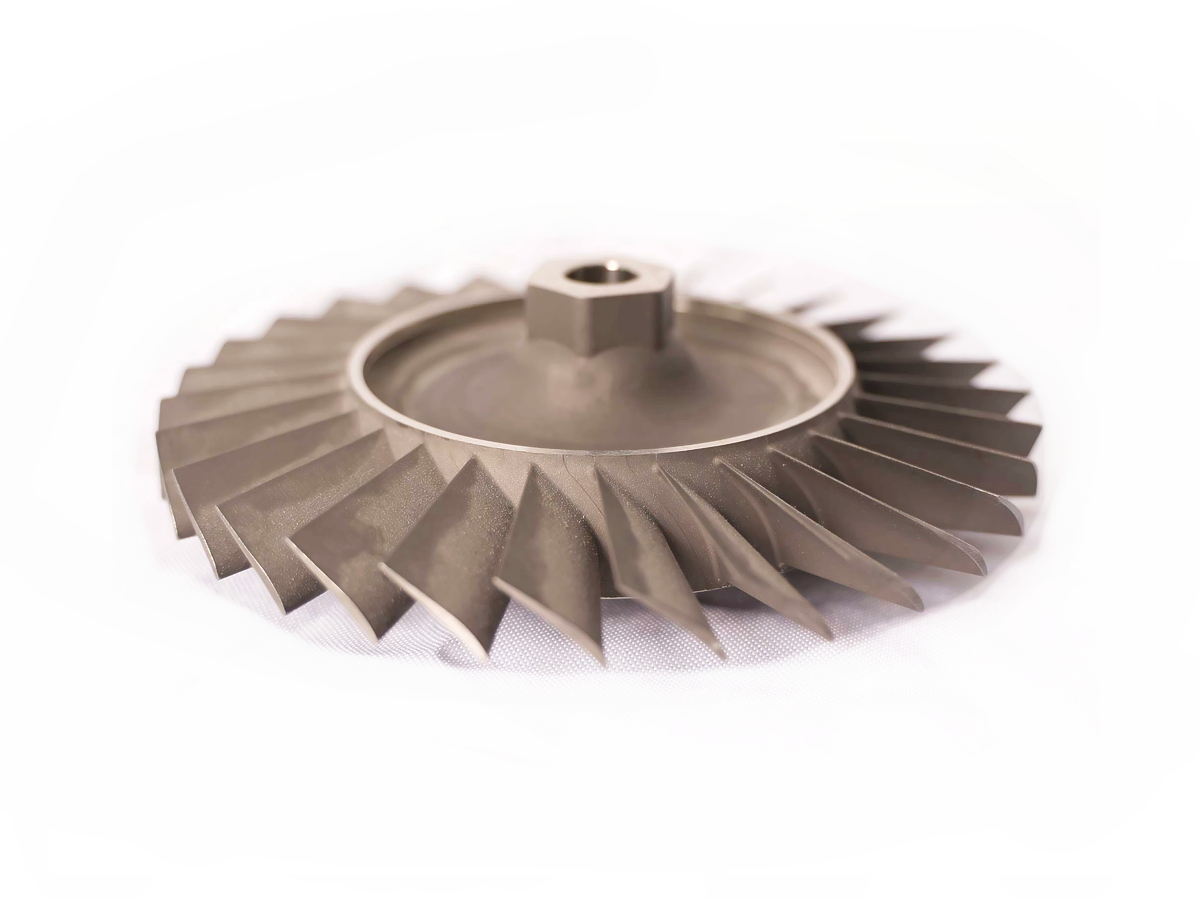
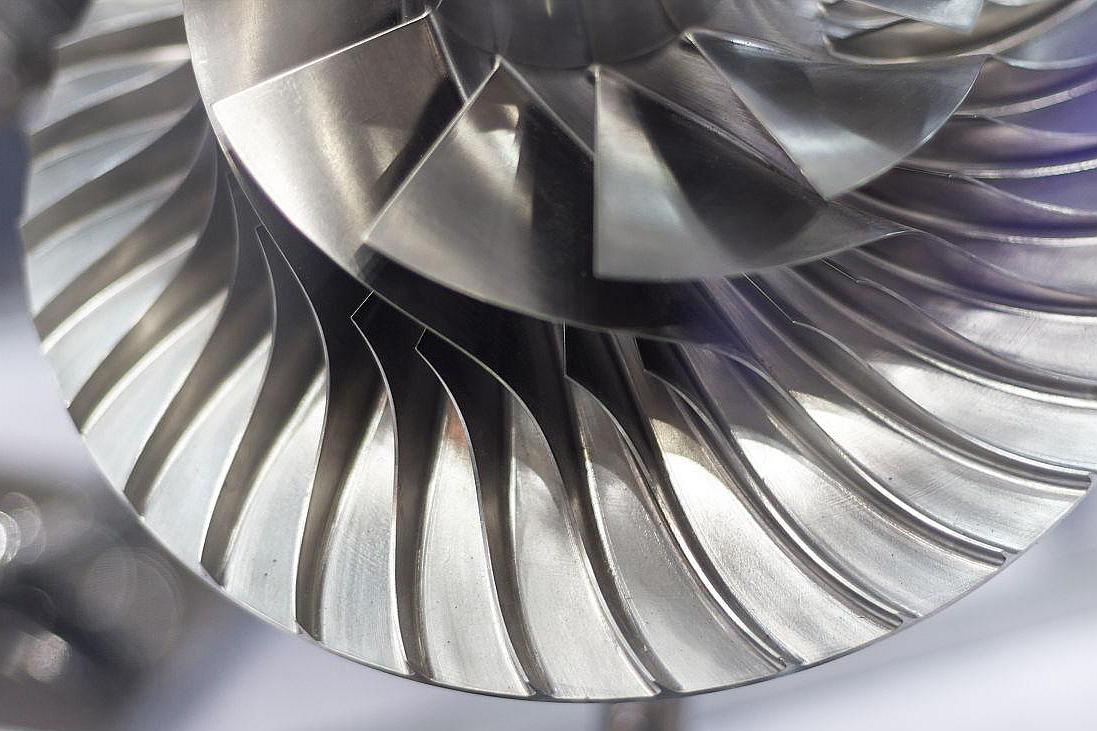
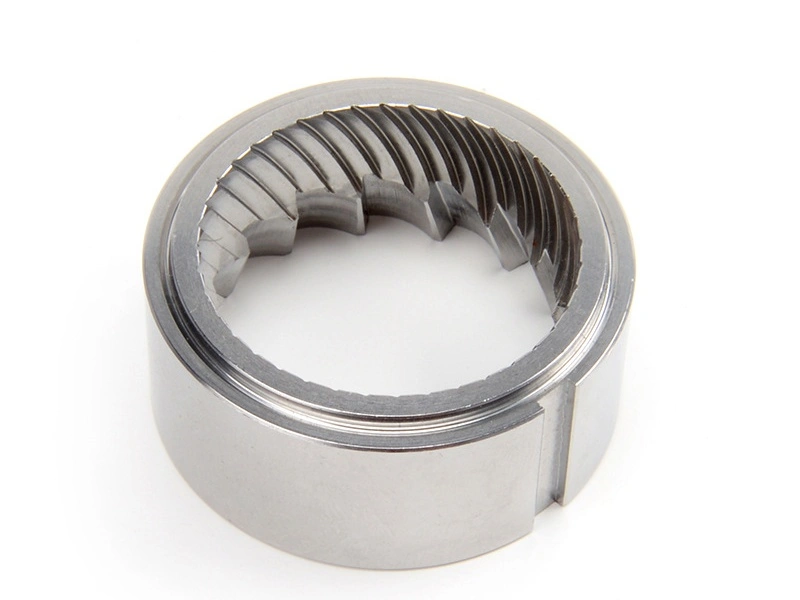
What types of superalloy materials can be CNC machined?
What types of superalloy materials can be CNC machined?
Nickel-base superalloys, cobalt-base high-temperature or wear-resistant alloys, and related high-performance nickel alloys can be evaluated for superalloy CNC machining, including the existing Inconel, Hastelloy, Stellite, Monel, Nimonic, and Rene examples. Exact grade, specification, product form, and heat-treatment condition determine whether a blank and geometry have a practical route. Cast, wrought, forged, deposited, solution-treated, and aged products can behave differently. Monel is primarily a nickel-copper corrosion-resistant family, not a universal high-temperature superalloy. Submit the material designation, critical features, surface condition, and acceptance plan before treating a grade as machinable.
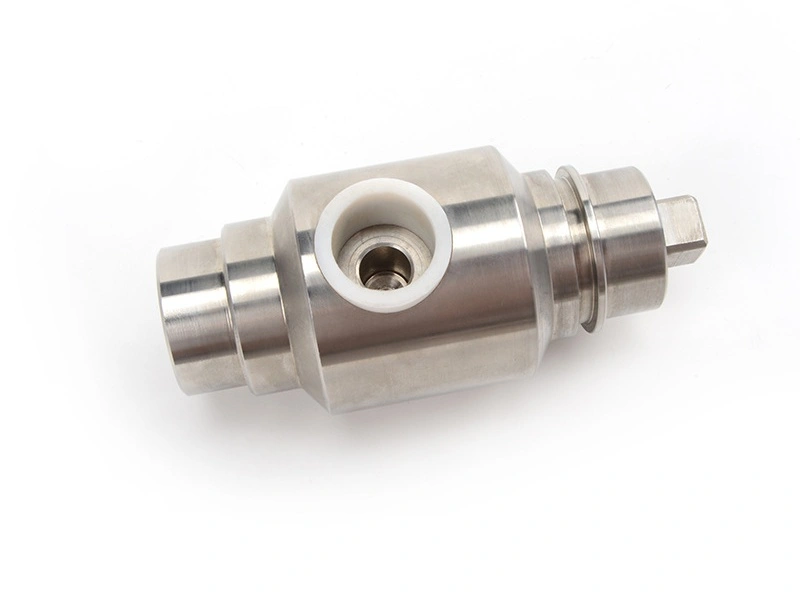
Material Family | Existing Grade Examples | Selection Boundary | Machining and Acceptance Focus |
|---|---|---|---|
Inconel | 718, 713C, 738LC, 939 | Confirm the exact nickel-base grade, specification, cast or wrought product, heat treatment, and required high-temperature or corrosion function. | Control work hardening, heat, tool wear, burrs, and surface damage; verify critical features in the specified final condition. |
Hastelloy | C-276, C-22 | Match the specified nickel alloy to the actual chemical medium, concentration, temperature, fabrication state, and corrosion acceptance basis. | Protect surface integrity, cleanliness, and dimensional state; machining alone does not certify corrosion performance. |
Stellite | 6, 12, 21 | Identify the cobalt-base grade and whether the feature is cast, wrought, deposited, or a wear-facing layer on another substrate. | Plan for hardness, interrupted cuts, chipping, edge condition, and inspection of the functional wear or sealing surface. |
Monel | 400, K500 | Treat these as nickel-copper corrosion-resistant alloys and confirm whether strength, aging condition, marine service, or chemistry drives selection. | Manage built-up edge, chip evacuation, burrs, and finish while verifying the supplied grade and condition. |
Nimonic | 80A, 90, 263 | Define the nickel-base grade, heat treatment, product form, operating temperature, load, and creep or oxidation requirement. | Control heat and distortion, retain datums through finishing, and inspect after the specified treatment state. |
Rene | 41, 80, N5, N6 | Require the exact commercial designation, specification, casting or wrought route, orientation where applicable, and authorized material source. | Review blank availability, feature access, material removal risk, surface integrity, and the inspection evidence before release. |
1. Inconel grades require grade-specific machining review
Inconel is a commercial nickel-alloy family, not one interchangeable material. The linked Inconel 718 CNC machining page represents one grade route; the table also lists 713C, 738LC, and 939. Wrought 718 and a cast hot-section grade can differ in microstructure, stock allowance, defect acceptance, heat treatment, and access. State the material specification and supplied condition. Low thermal conductivity, work hardening, and retained strength can concentrate cutting heat, but no universal parameter follows from the family name. Engagement, coolant method, rigidity, stock condition, and geometry determine the plan. Accept material identity, critical dimensions, burrs, surface damage, and drawing-defined integrity after the final operation.
2. Hastelloy selection begins with the corrosion environment
Hastelloy grades can be CNC machined when the precise nickel-alloy designation, condition, and corrosion duty are known. The linked Hastelloy C-276 CNC machining route does not make C-276 and C-22 interchangeable. Media chemistry, concentration, temperature, weld condition, and contamination can change the decision. Review heat, work hardening, chip evacuation, datum retention, and cleaning. A conforming dimension does not prove corrosion performance. Identify the delivered surface treatment and any separate material or corrosion verification required by specification.
3. Stellite machining depends on product form and wear surface
Stellite cobalt-base alloys are considered when hot hardness, wear, or galling resistance defines the surface. The existing Stellite 12 CNC machining link is one example; grades 6, 12, and 21 are not family-name substitutes. A casting and a deposited valve layer present different stock, dilution, interruption, support, and inspection conditions. Hardness and interrupted engagement raise chipping risk, while aggressive finishing can alter a thin wear layer. Identify substrate, deposit or blank form, layer boundary, datum, edge condition, and inspection method. Stock and tool access must produce the surface without removing its wear function.
4. Monel grades are nickel-copper corrosion-resistant choices
Monel 400 and K500 can be CNC machined, but they are exact nickel-copper grades for a defined corrosion and mechanical duty. The linked Monel K500 CNC machining route cannot be generalized to Monel 400 because K500 strength depends on composition and condition, including any specified age-hardening state. Marine exposure, chemical media, fastener loading, and galling require separate review. Ductility and adhesion can contribute to built-up edge, unstable finish, long chips, and cross-hole burrs. Define grade, condition, product form, mating material, functional surfaces, and whether hardness or certification is an acceptance input. Calling a part merely "Monel" leaves quotation and validation ambiguous.
5. Nimonic machining must preserve the specified material state
Nimonic nickel-base alloys can enter a CNC plan when grade, condition, blank route, and high-temperature duty are controlled. The linked Nimonic 80A CNC machining example does not make Nimonic 90 or 263 equivalent. Heat treatment affects strength, residual stress, and machining response; thin walls can shift after unclamping or later treatment. Distinguish roughing datums from final inspection datums, reserve specified finishing allowance, and define when measurement becomes valid. Pre-treatment dimensions may not represent an interface delivered after heat treatment or coating. Connect operating load and temperature to the exact material specification without implying that machining establishes creep life or oxidation performance.
6. Material identity and condition control the quotation
A useful superalloy RFQ names exact grade, specification revision, approved source or certification, product form, and heat-treatment condition. Include controlled CAD and drawing revisions, quantity, critical datums and tolerances, edge requirements, surface state, subsequent treatment, and inspection record. Add temperature, medium, load, wear contact, mating material, and failure mode when they drive selection. Any grade, stock-form, or condition substitution requires written engineering approval because a family-name match does not preserve properties. The supplier can then evaluate availability, access, distortion risk, finishing, measurement, tests, and evidence on one quotation basis.
7. Release the exact alloy route, not a family label
The correct material choice combines service function, manufacturability, and verification. Identify the dominant failure risk: strength loss, creep, oxidation, chemical attack, galling, wear, seal damage, or dimensional movement. Select an exact grade and condition from governing evidence, confirm that the product form supports the geometry, and review whether machining can preserve critical surfaces and datums. Define how material identity, dimensions, surface condition, and any separate integrity requirement will be accepted. A capability statement or successful cut on another grade cannot replace this chain. If grade, condition, blank, feature access, or inspection remains unresolved, machinability for that component is not established. Resolve those inputs before pricing approval or production release.