Which materials are cheapest and easiest to machine?
Which Materials Are Cheapest and Easiest to Machine?
Quick material answer for lower CNC cost
Aluminum 6061, Brass C360, 1018 low-carbon steel, ABS, and acetal POM are often among the cheapest and easiest materials to machine when the part geometry, tolerance, surface finish, and order quantity are suitable. The lowest-cost choice is not always the lowest raw material price. A material can reduce total CNC cost when it cuts quickly, wears tools slowly, holds dimensions predictably, needs little deburring, and is available in the right stock size. Buyers should compare material price together with cycle time, fixture risk, finishing needs, inspection effort, and scrap risk before selecting a grade. If two materials both meet the functional requirement, ask the supplier to quote the same drawing in both options so the difference reflects machining route and not a vague material assumption.
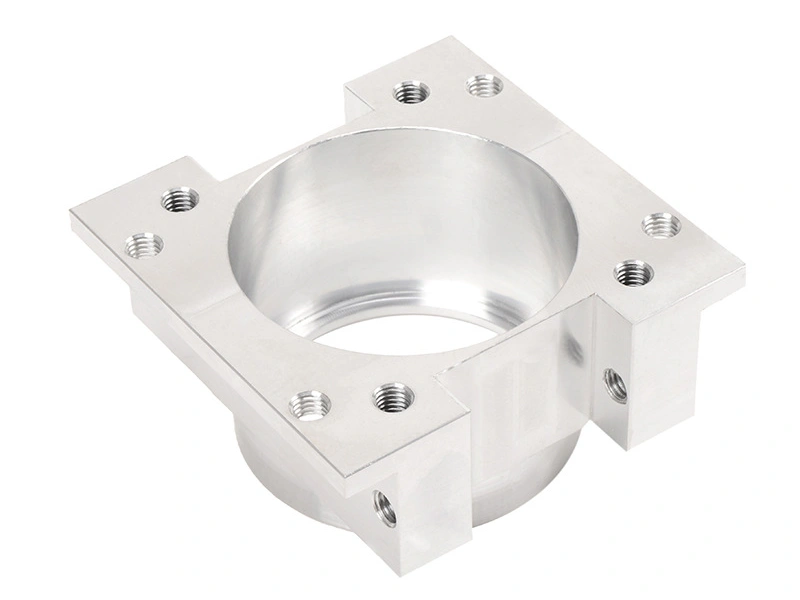
Aluminum 6061: Among the most popular choices, Aluminum 6061 offers good machinability, broad availability, useful strength-to-weight ratio, and predictable finishing options. It is often cost-effective for brackets, housings, plates, fixtures, heat sinks, and prototypes when the drawing does not require unnecessary tight tolerances on every surface. Buyers should still confirm temper, plate thickness, anodizing or powder coating needs, and whether flatness matters after material removal.
Brass C360: Known as the free-machining brass, Brass C360 is easy to cut, drill, and turn because chip formation is favorable and tool wear is usually low. It can be economical for fittings, connectors, bushings, decorative hardware, and small turned parts, but buyers should confirm lead-content restrictions, corrosion environment, and plating needs before choosing it. The cheapest brass quote may not be acceptable if the application has drinking-water, medical, food-contact, or export restrictions.
Mild Steel 1018: 1018 Steel is a practical low-carbon steel when the buyer needs stronger, heavier, and more economical metal parts than aluminum can provide. It can be cost-effective for shafts, brackets, plates, spacers, and fixtures, but finishing, rust protection, tool load, and burr control must be included in the quote comparison. If the part needs plating, black oxide, painting, or heat treatment, those operations can change the final cost ranking.
Plastic (e.g., ABS, Delrin): ABS and Delrin (POM) can reduce machining cost for functional prototypes, low-load components, jigs, covers, and consumer product parts. Plastics cut with low force, but thermal movement, moisture absorption, stress relief, thin walls, and clamping marks must be considered when tolerances are tight. POM is often preferred for low-friction functional parts, while ABS can be useful for housings and prototype appearance checks.
How to compare machinability with total cost
Machinability ratings are useful screening tools, but buyers should not treat one percentage as a universal price rule. Brass C360 is often used as a high-machinability reference, aluminum 6061 is widely available and efficient, 1018 steel is affordable but heavier and more burr-prone, and ABS or POM can machine quickly when heat and clamping are controlled. A material that is easy to cut can still become expensive if the part needs hard anodizing, plating, polishing, tight flatness, deep pockets, threaded inserts, or full inspection. A practical RFQ should ask the supplier to compare two or three acceptable materials against the same drawing, quantity, tolerance, finish, and inspection scope. The comparison should also include stock size because using a standard bar, plate, or sheet can reduce both material waste and machining time.
Material selection guidance for cost-effective machining
For Neway-related RFQs, material selection should start with function rather than a generic cheapest-material list. The buyer should define strength, weight, wear, corrosion, food contact, electrical insulation, temperature, appearance, and regulatory restrictions before asking for a quote. For low-volume production, the best cost may come from using common stock and avoiding special fixtures. For rapid prototyping, fast material availability and easy inspection may matter more than the final production grade. For mass manufacturing, a slightly higher material price can still be cheaper if it shortens cycle time, reduces scrap, or improves repeatability. The RFQ should state acceptable alternative materials, critical features, surface finish, order quantity, and whether the buyer will approve a material substitution before production. This keeps quotation comparisons tied to measurable manufacturing choices instead of a generic cheapest-material claim and helps engineering approve substitutions without late redesign.
Discover more affordable and machinable materials in our catalog:
Aluminum CNC Machining Service is usually the first comparison point when buyers want lightweight parts, fast machining, good availability, and several finish options.
Brass CNC Machining Service is relevant for fittings, connectors, bushings, valves, decorative parts, and components where free-machining behavior can reduce cycle time.
Carbon Steel CNC Machining Service may lower part cost when strength and stock price matter more than weight, corrosion resistance, or cosmetic finish.
Plastic CNC Machining Service can be economical for prototypes and low-load functional parts, but buyers should confirm creep, heat, moisture, and dimensional stability before production.