Brass Alloy
Brass Alloy CNC Machining Materials Introduction
Brass Alloy is a broad copper-zinc material family known for good machinability, reliable corrosion resistance, attractive surface appearance, and stable performance in both structural and decorative applications. Depending on zinc content and additional alloying elements such as lead, tin, aluminum, manganese, iron, or nickel, brass grades can be optimized for free cutting, forming, wear resistance, seawater performance, electrical conductivity, or higher mechanical strength.
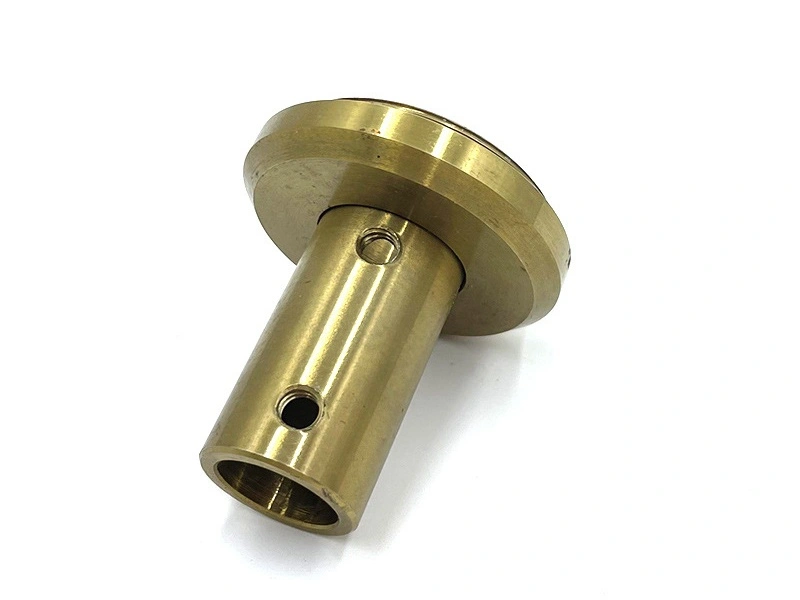
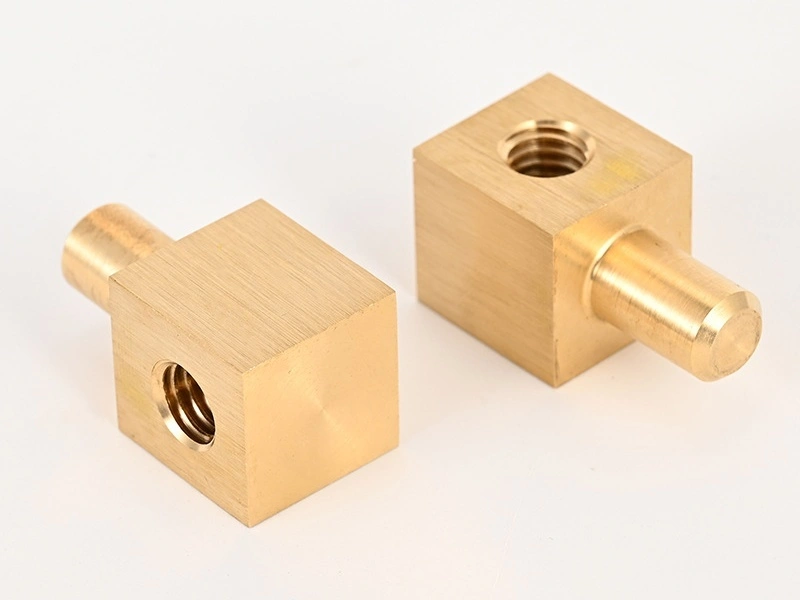
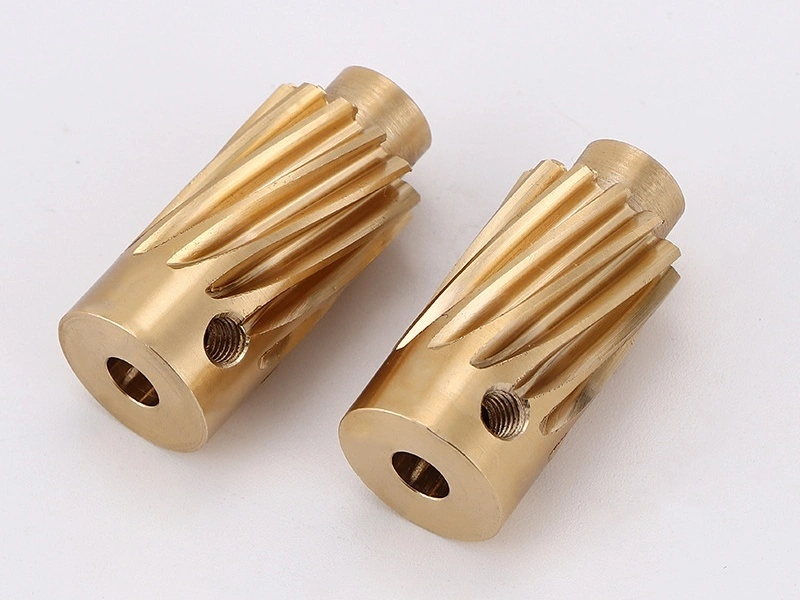
In CNC machining, brass alloys are widely used for valve parts, fittings, threaded connectors, electrical contacts, bushings, decorative hardware, fluid-system components, marine accessories, and precision mechanical parts. This family includes high-conductivity and specialty grades such as Brass C174, low-zinc red brasses like Brass C210, Brass C220, and Brass C23000, cartridge and general engineering grades such as Brass C260, Brass C270, and Brass C28000, highly machinable grades like Brass C360 and Brass C36000, forging and architectural grades including Brass C377, Brass C385, and Brass C655, plus more specialized corrosion- and strength-focused grades such as Brass C486, Brass C521, Brass C624, Brass C628, Brass C715, Brass C726, and Brass C72650.
Brass Alloy Similar Grades Table
The table below lists the brass alloy grades covered in this material family and their typical classification references:
Alloy Category | Representative Grades | Typical Characteristics |
|---|---|---|
High-Copper Brass | Brass C210, Brass C220, Brass C23000 | Good corrosion resistance, warm color, good formability |
Cartridge / General Brass | Brass C260, Brass C270, Brass C28000 | Balanced strength, ductility, and fabrication versatility |
Free-Machining Brass | Brass C360, Brass C36000, Brass C385 | Excellent machinability and productivity in CNC operations |
Forging / Valve Brass | Brass C377, Brass C319 | Suitable for shaped fittings, plumbing, and forged components |
High-Strength / Specialty Brass | Brass C174, Brass C486, Brass C521, Brass C624, Brass C628, Brass C655 | Enhanced strength, wear resistance, or specialized service behavior |
Seawater / Corrosion-Resistant Brass | Brass C715, Brass C726, Brass C72650 | Improved resistance in marine or aggressive environments |
Brass Alloy Comprehensive Properties Table
Category | Property | Value |
|---|---|---|
Physical Properties | Density | Typically 8.3–8.8 g/cm³ depending on grade |
Melting Range | Typically 880–980°C depending on composition | |
Thermal Conductivity | Generally good, lower than pure copper but suitable for many thermal uses | |
Electrical Conductivity | Moderate to good, grade dependent | |
Thermal Expansion | Typically 19–22 µm/(m·K) | |
Chemical Composition / Alloying | Main Base Metals | Copper (Cu) and Zinc (Zn) |
Common Alloying Elements | Lead, Tin, Aluminum, Iron, Manganese, Nickel, Silicon | |
Free-Machining Grades | Often optimized with lead or machinability-oriented chemistry | |
Marine / Specialty Grades | Often contain alloying additions for stronger corrosion resistance or strength | |
Mechanical Properties | Tensile Strength | Ranges from moderate in high-copper grades to higher in specialty brasses |
Yield Strength | Grade- and temper-dependent | |
Machinability | Good to excellent, especially in C360/C36000 family | |
Corrosion Resistance | Generally good, with certain grades optimized for marine or plumbing service | |
Surface Appearance | Excellent for decorative and visible components |
CNC Machining Technology of Brass Alloy
Brass alloy parts are commonly produced using CNC turning, CNC milling, CNC drilling, CNC boring, and where required for improved finish or contact performance, CNC grinding. Many brass grades machine cleanly and efficiently, making them ideal for threaded components, sealing surfaces, fine details, and small precision parts.
Among copper-based alloys, brass is often preferred when the project needs a practical balance between machinability, corrosion resistance, appearance, and cost. Especially in connector-style or high-volume turned parts, brass supports efficient production with relatively low tool wear and stable dimensional repeatability.
Applicable Process Table
Technology | Precision | Surface Quality | Mechanical Impact | Application Suitability |
|---|---|---|---|---|
CNC Turning | Typically ±0.01–0.03 mm | Ra 0.8–3.2 µm | Excellent for threaded and round parts | Fittings, sleeves, pins, connectors |
CNC Milling | Typically ±0.01–0.05 mm | Ra 0.8–3.2 µm | Good for profiles, flats, pockets | Valve bodies, brackets, special hardware |
CNC Drilling | Typically ±0.02–0.08 mm | Application dependent | Fast and stable hole-making | Fluid passages, mounting holes, ports |
CNC Boring | Typically ±0.01–0.03 mm | Good to excellent | Improves bore roundness and accuracy | Precision housings, valve seats, inserts |
CNC Grinding | Typically ±0.005–0.01 mm | Ra 0.2–0.8 µm | Useful for critical finish control | Sealing faces, precision contact areas |
Brass Alloy CNC Machining Process Selection Principles
When the highest machining efficiency and shortest cycle time are priorities, Brass C360 is usually the best starting point. It is one of the most widely used free-machining brasses for precision turned and milled parts, especially where threads, small details, and high-volume productivity matter.
When the project needs a stronger balance between formability, corrosion resistance, and general-purpose performance, grades such as Brass C260, Brass C270, and Brass C220 are more suitable. These are practical choices for decorative parts, electrical hardware, formed components, and medium-duty mechanical applications.
For forged fittings, plumbing hardware, and shaped valve components, Brass C377 is commonly preferred because it is well aligned with forged-part applications. Where higher corrosion resistance or more specialized environmental performance is needed, specialty brasses such as Brass C715 or related corrosion-focused grades become more appropriate, particularly in marine, fluid, or aggressive-service conditions.
Brass Alloy CNC Machining Key Challenges and Solutions
Although brass is generally easy to machine, one challenge is selecting the right grade for the intended service environment. A highly machinable brass may not always offer the best corrosion resistance or formability. The practical solution is to define the part’s real priority first, such as machinability, marine durability, appearance, or strength, and then select the grade accordingly.
Another common issue is burr or edge quality in threaded, ported, or thin-wall parts. Even when the base machining response is excellent, poorly tuned tool geometry or aggressive feed can still leave edge defects. Stable tooling, controlled breakout conditions, and planned deburring are important for sealing and assembly-critical brass components.
Some brasses also require attention to chip control and surface integrity when high cosmetic quality is expected. Decorative or visible parts may need more process attention after machining to preserve a clean metallic appearance. In such cases, finishing selection should be coordinated early with the machining plan so the final texture, reflectivity, and corrosion behavior align with the product requirement.
Where the application demands stronger surface durability or decorative enhancement, brass parts can also benefit from post-processing routes such as electroplating. This is especially relevant for visible hardware, connector components, and functional parts that require both corrosion resistance and improved surface appearance.
Industry Application Scenarios and Cases
Brass alloys are used across industries that value machinability, corrosion resistance, conductivity, and clean appearance:
Industrial Equipment: Valve parts, fittings, bushings, threaded connectors, and instrument hardware requiring stable machining and good service reliability.
Consumer Products: Decorative hardware, handles, visible mechanical details, and premium-finish components where brass appearance is a key value.
Oil and Gas: Corrosion-resistant fittings, fluid-handling connectors, and support hardware used in non-extreme thermal service environments.
Automation: Precision sleeves, contact parts, guides, custom fastener components, and compact machined details requiring consistent tolerances.
A typical brass manufacturing workflow may begin with bar, forging, or preformed stock, followed by turning or milling of critical geometry, drilling and thread-making, and then optional aesthetic or corrosion-focused finishing. Because the brass family includes both extremely machinable grades and more specialized corrosion- or strength-oriented compositions, it remains one of the most practical copper-alloy platforms for precision custom machining.
Explore Related Blogs