What is Aluminum CNC Machining? How To Get A Quote?
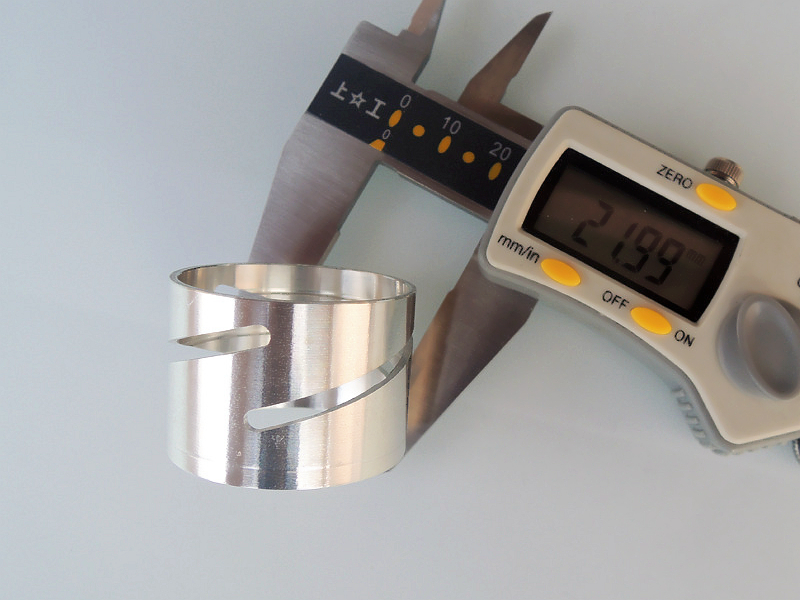
What is Aluminum CNC Machining?
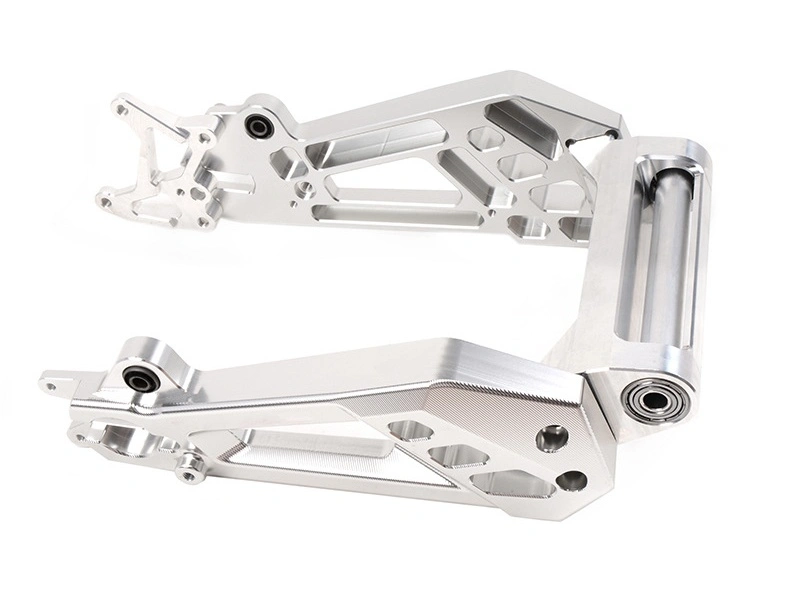
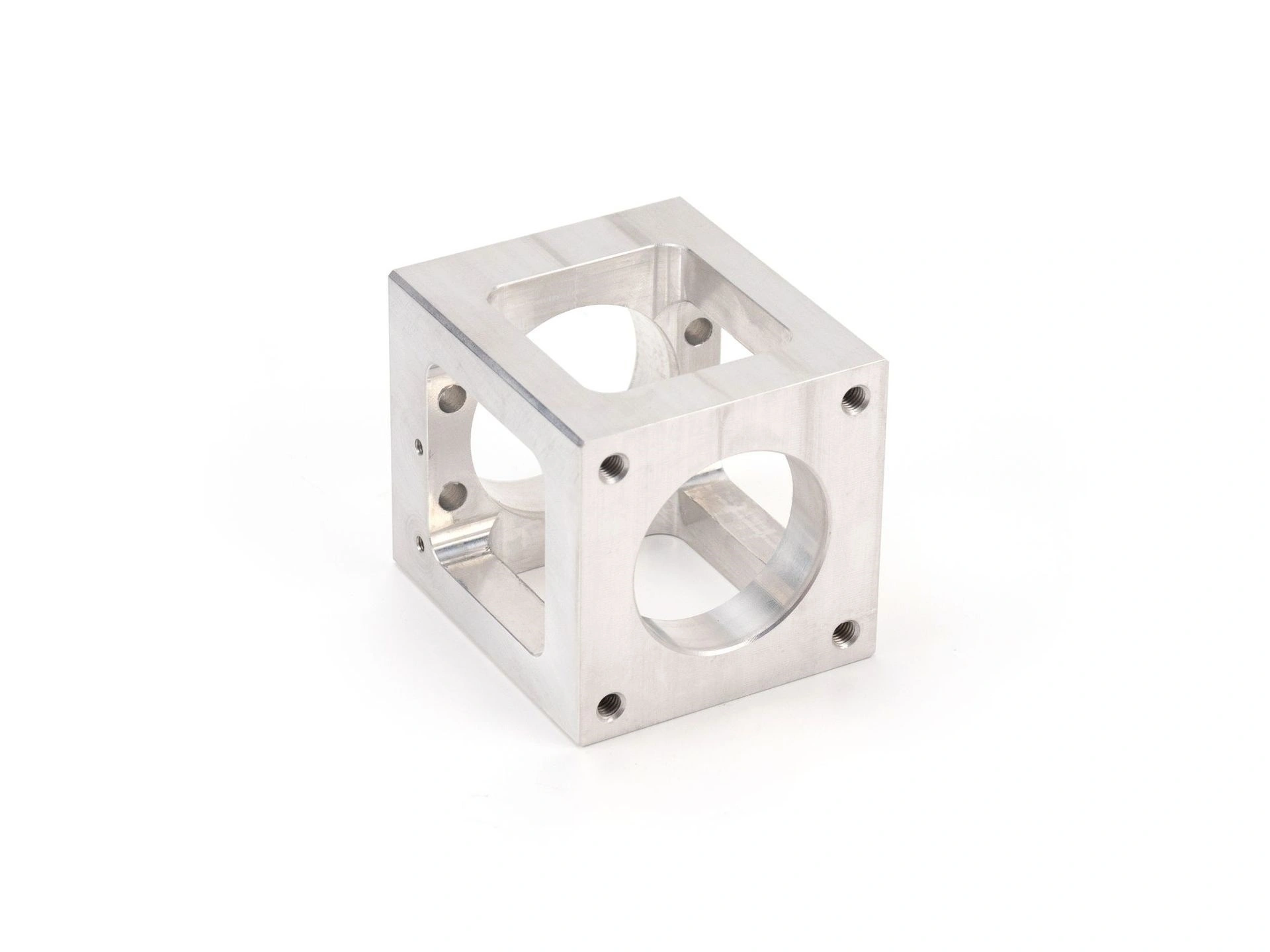
Aluminum CNC machining is a precision manufacturing process where aluminum parts are milled, drilled, or turned using computer numerical control (CNC) machines. Aluminum’s excellent machinability, low density, and good corrosion resistance make it ideal for aerospace, automotive, electronics, and prototype components. CNC machining allows for complex geometries, tight tolerances, and consistent repeatability across batches.
1. Key Advantages of Aluminum CNC Machining
Lightweight and strong: High strength-to-weight ratio suitable for structural components.
Good thermal conductivity: Efficient heat dissipation during operations.
Excellent machinability: Supports fast feed rates and reduces tool wear compared to steels.
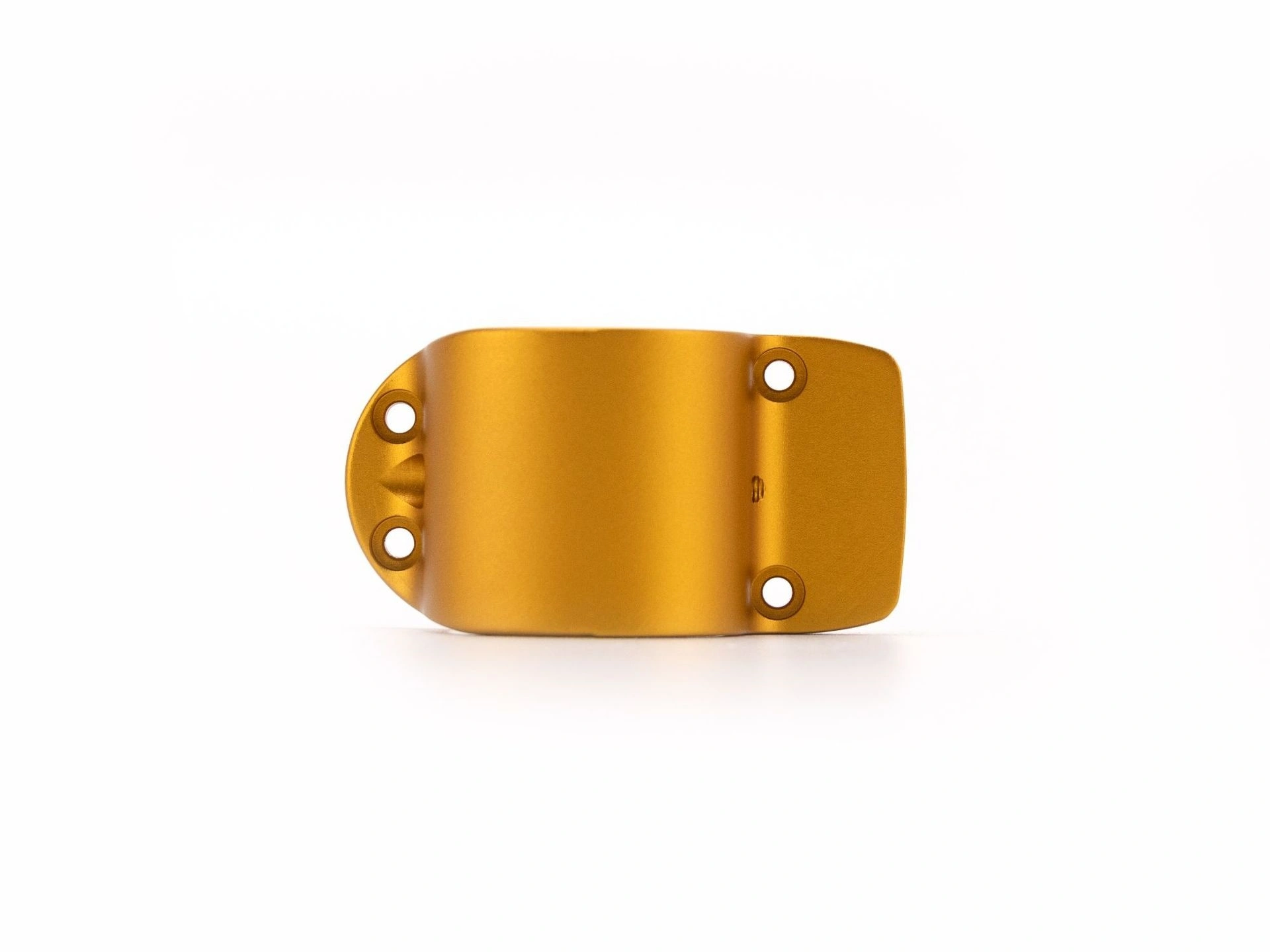
Surface finishing options: Anodizing, polishing, plating, and powder coating available for aesthetics and corrosion resistance.
Wide alloy selection: Common grades include 6061, 7075, 5052, each offering distinct mechanical and thermal properties.
2. How to Get a Quote for Aluminum CNC Machining
To receive an accurate quotation from a CNC machining supplier, buyers should provide:
Design files: 2D drawings (DWG, DXF) or 3D models (STEP, IGES, STL) detailing geometry.
Material specifications: Aluminum alloy, temper, and any required certifications.
Tolerances: Specify critical dimensions and acceptable variations.
Surface finish requirements: Indicate if anodizing, polishing, or other coatings are needed.
Quantity: Include prototype, low-volume, or full batch details.
Inspection and testing: Any special quality control, FAI, or certification needs.
Providing this information enables suppliers to estimate material costs, machining time, tooling requirements, and finishing procedures, ensuring a comprehensive and competitive quote.
3. Practical Tips
Ensure CAD models are fully detailed to reduce misinterpretation and rework.
Discuss potential design adjustments with the supplier to optimize machining efficiency.
Specify tight tolerances only where necessary, as these increase cost and lead time.
Confirm post-processing steps early, including anodizing color and surface roughness standards.
4. Summary
Aluminum CNC machining offers precision, efficiency, and flexibility for custom parts across industries. By providing detailed design, material, and process requirements, buyers can obtain accurate quotes and optimize both cost and lead time. For further guidance, see CNC milling services and low-volume manufacturing.