How durable are MJF parts over the long term?
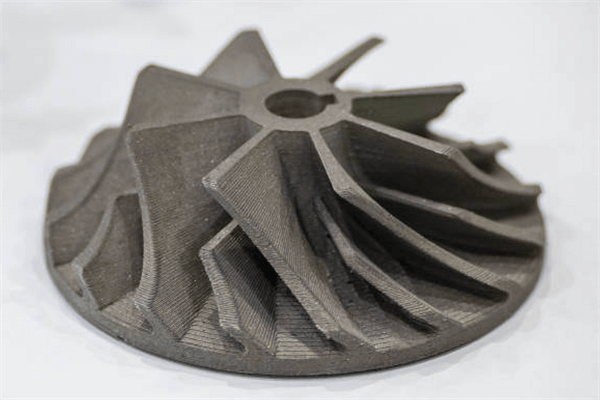
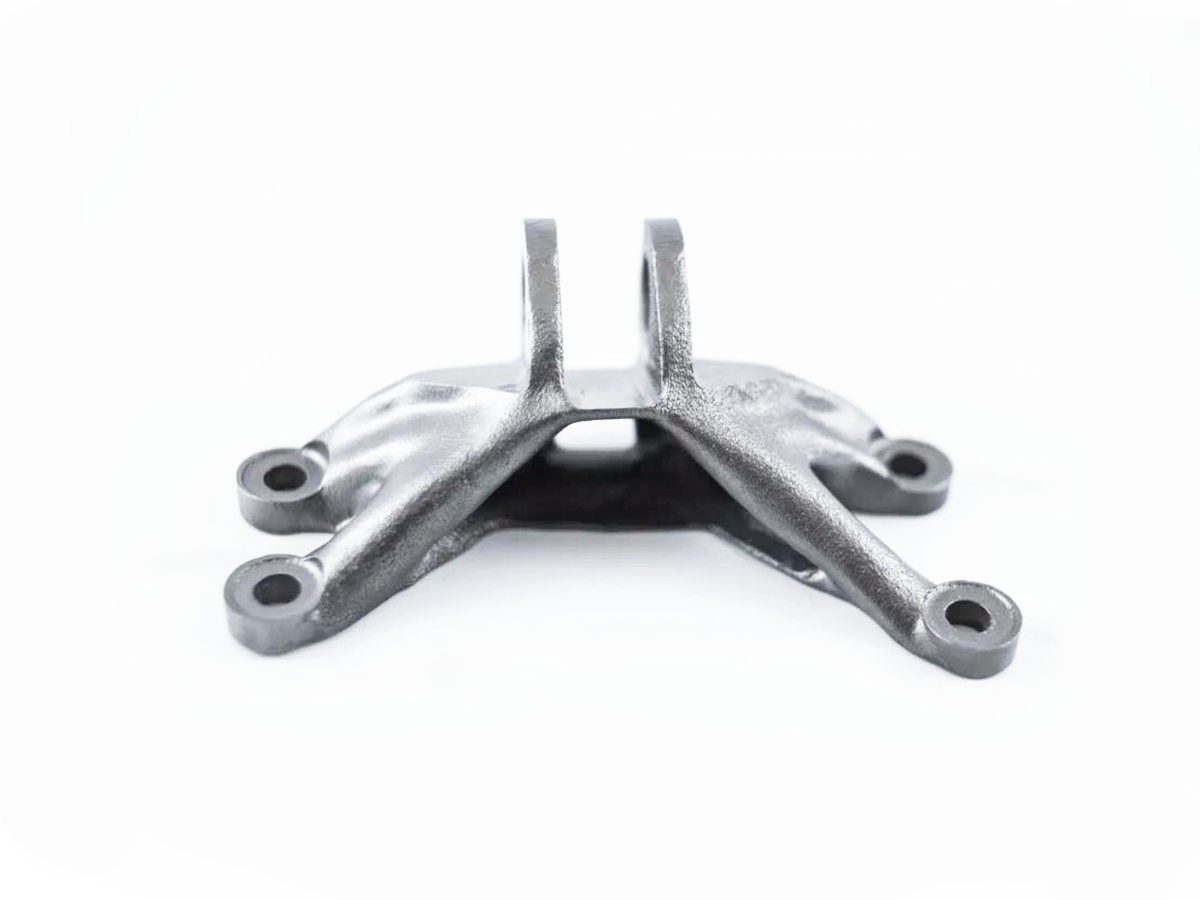
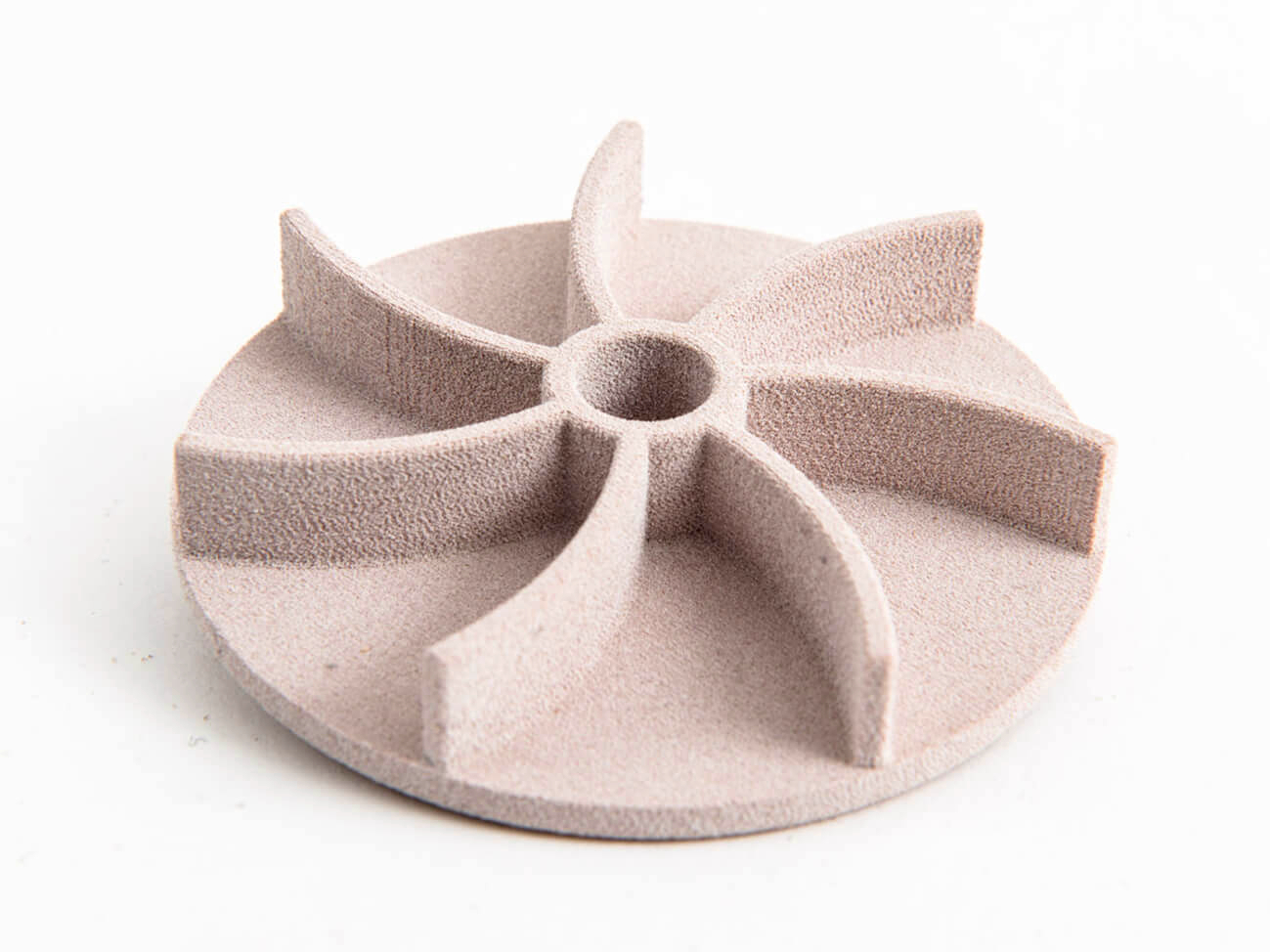
Multi Jet Fusion (MJF) parts can remain durable in long-term service when the exact material, printed condition, load history, temperature, moisture, ultraviolet exposure, and chemical contact match a validated use case. PA12 is a practical choice for many indoor housings, fixtures, clips, and guards, but a short tensile or impact result does not establish service life. Sustained stress can cause creep, cyclic stress can initiate fatigue cracks, and environmental aging can change both strength and dimensions. A buyer should define the duty cycle, environment, allowable permanent deformation, final finish, and acceptance test before approving an MJF part for extended use.
Inherent Strengths for Long-Term Use
MJF can support durable functional parts because powder-bed fusion produces consolidated nylon geometry without the bead interfaces found in material-extrusion printing. Durability still depends on the qualified material and build route.
Direction-dependent mechanical behavior: MJF PA12 often has a smaller directional strength difference than many FDM parts, but it is not fully isotropic. Build orientation, local thermal history, powder condition, cooling, wall thickness, and surface finish can affect results. Tensile specimens tested to ISO 527 can compare qualified build directions after the specified conditioning; they cannot predict fatigue life by themselves.
Impact behavior versus fatigue life: PA12 and PA11 can provide useful toughness for clips, covers, and guarded fixtures in consumer products and industrial equipment. ISO 179 impact data describe a defined impact test, not survival through repeated service cycles. A notch at a snap root, insert boss, hole, or abrupt thickness change can start a fatigue crack even when the material passes an impact requirement.
Chemical resistance within a defined exposure: PA12 may tolerate selected oils, greases, and aliphatic hydrocarbons, but compatibility changes with formulation, fluid concentration, temperature, stress, and contact time. ISO 175 immersion testing can compare mass, dimensions, and properties after a specified liquid exposure. It does not cover an untested cleaner, mixed fluid, or stressed assembly.
Key Factors Affecting Long-Term Durability
Long-term MJF durability is controlled by load, time, temperature, environment, geometry, and final part condition. The relevant failure mode determines which evidence is useful.
UV and environmental aging: Ultraviolet radiation and oxidation can embrittle unprotected nylon and change color or impact behavior. ISO 4892 exposure can compare materials or coatings under a defined laboratory light source, but accelerated hours do not equal a guaranteed number of outdoor years. Exterior parts need a representative weathering program and verified paints or coating system.
Moisture conditioning: Nylon absorbs moisture, which can reduce stiffness, increase toughness, and move dimensions or fits. ISO 62 can characterize water absorption under stated conditions. Critical bores, snap engagement, and datum dimensions should be measured in the same dry or conditioned state used for acceptance and service.
Creep under sustained load: A clamp arm, fastened boss, press fit, or bracket can relax while its initial strength remains acceptable. ASTM D2990 can evaluate tensile, compressive, or flexural creep under defined stress, temperature, and time. The test condition must represent the service load; short tensile data cannot replace it.
Fatigue, heat, and combined exposure: Cyclic load, elevated temperature, humidity, and chemicals can interact rather than act independently. Heat-deflection or Vicat results are screening properties measured under specified tests, not continuous-use approvals. A life assessment should use the real load waveform, peak and dwell temperatures, cycling frequency, environment, and allowable loss of function.
Enhancing Durability for Specific Applications
Material and post-processing should be chosen for the dominant failure mode, then verified on parts or specimens in the final conditioned state. No MJF material is the best choice for every durability requirement.
Material choice by failure mode: PA12 is a balanced starting point for stiffness, toughness, and dimensional control. PA11 may suit parts that need greater ductility, subject to the supplier's grade data. Glass-bead-filled PA12 can raise stiffness and dimensional stability but can reduce ductility. TPU supports flexible response, yet its creep, chemical, and thermal behavior remains grade-specific.
Post-processing as a qualified operation: Dyeing, coating, painting, blasting, and tumbling create the final condition that must be tested. A verified UV-resistant coating can reduce exposure when adhesion and coverage remain intact. tumbling can smooth asperities, but it can also round edges or change thin features. Coating thickness, masking, and surface preparation belong in the inspection plan.
Engineering Guidelines for Long-Term Success
Define the service envelope: Record the exact material and color, required life, load spectrum, temperature dwell and cycles, humidity, UV exposure, chemicals, cleaning method, and allowable deformation. A material name without these conditions is not a durability specification.
Control geometry and build evidence: Identify loaded thin walls, notch roots, bosses, inserts, sealing surfaces, and critical datums. Request build orientation, relevant specimen location, powder-route traceability, cooling controls, and inspection after the final conditioning and finish.
Choose a lower-risk alternative when needed: High sustained load, tight long-term dimensional stability, severe heat, or unqualified chemical exposure can justify injection molding or CNC Machining in PEEK, acetal, aluminum, or another specified material. Compare validation burden and failure consequence, not process price alone.
Validate the governing failure mode: Use conditioned tensile or impact data for screening, then run representative creep, fatigue, weathering, chemical, or assembly tests as required. Define specimen orientation, sample count, final finish, measurement method, acceptance limits, and change-control triggers before production release.
A defensible MJF durability decision connects the expected failure mode to a test performed at the relevant load, time, temperature, environment, orientation, and final condition. The RFQ should state those conditions together with critical dimensions, permitted permanent set, inspection stage, sampling plan, and required records. That information lets the supplier determine whether PA12, PA11, filled PA12, TPU, or another manufacturing route has the lowest qualification risk for the intended service life.