Can the mechanical properties of Inconel DMLS-printed parts match forged components?
DMLS-printed Inconel parts can match selected forged mechanical properties, especially room-temperature tensile strength, after a qualified build, densification where required, alloy-specific heat treatment, surface finishing, and representative testing. They are not automatically equivalent in fatigue, creep, stress rupture, fracture behavior, or directionality. DMLS properties are qualified through a controlled process and test plan, while forged properties are established through thermomechanical processing and the applicable wrought specification. ASTM F3055 can provide a powder bed fusion material baseline for Inconel 718, but it does not approve a finished part for service. Buyers should compare the same alloy, material condition, specimen orientation, temperature, surface state, and acceptance method before approving a DMLS-forging substitution.
The Metallurgical Divide: As-Built vs. Wrought
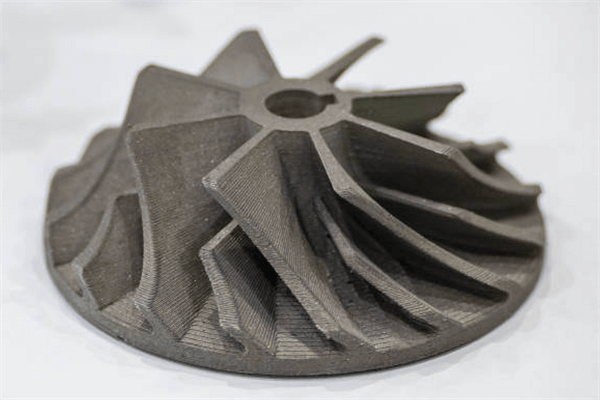
As-built DMLS Inconel, including Inconel 718, develops a rapidly solidified cellular or dendritic structure. Build direction, scan strategy, thermal history, residual stress, microsegregation, gas pores, lack-of-fusion defects, and the rough as-built surface can all affect measured properties. High tensile results from one orientation do not establish fatigue or high-temperature equivalence. The valid comparison is the complete DMLS route, including post-processing and finishing, against the required forged condition under the same test conditions.
Forged Inconel is plastically worked and recrystallized to control grain size, segregation, and grain flow. Forging is therefore a mature reference for many rotating or long-duration hot-section parts in aerospace and aviation. A forging is not automatically isotropic: grain flow can create useful directionality, and test orientation still matters. DMLS earns consideration when internal channels, part consolidation, low volume, or geometry inaccessible to dies creates enough value to justify a separate qualification route.
The Path to Parity: Post-Processing
Mechanical-property parity requires a linked process plan that addresses internal defects, residual stress, precipitation condition, surface-connected flaws, dimensional stock, and representative verification. No single post-process proves equivalence. The drawing or qualification plan should state which operation controls each failure mode and which test confirms the result.
Hot Isostatic Pressing (HIP): HIP can close isolated internal porosity through heat, pressure, and diffusion, reducing pore-driven fatigue risk when the selected cycle suits the alloy and build condition. HIP does not repair an open crack, a surface-connected pore, severe lack of fusion, or an out-of-tolerance feature. The buyer should define whether HIP is required for every lot and how internal integrity will be checked within the detection limits of the selected NDE method.
Solution Annealing and Aging: A controlled heat treatment route sets the final precipitation condition and strength-ductility balance. The cycle must match the Inconel grade, powder bed fusion history, HIP sequence, section thickness, and governing specification. A wrought heat-treatment schedule cannot be transferred unchanged unless testing shows that the additively manufactured microstructure reaches the required condition.
After the complete route, DMLS Inconel 718 may satisfy tensile, hardness, and elongation requirements used for a selected forged baseline. That result remains property-specific. Fatigue, creep, stress rupture, notch behavior, surface integrity, and directionality require separate evidence when they control the design. A useful RFQ identifies the forged material and condition, build and coupon orientation, powder lot traceability, post-processing sequence, machining allowance, NDE method, test temperature, specimen location, sampling frequency, and acceptance values.
Property Comparison and Persisting Differences
Mechanical Property | DMLS + HIP + HT Condition | Forged & Heat-Treated Condition | Key Observation |
|---|---|---|---|
Tensile Strength & Yield Strength | Parity is possible when the build, orientation, HIP, heat treatment, and coupons are qualified. | Acceptance normally follows the specified alloy, product form, heat treatment, and test orientation. | Compare values at the same temperature and condition; tensile parity alone does not approve substitution. |
Ductility (Elongation) | HIP and heat treatment can improve results, but defect population and orientation may increase scatter. | Wrought processing offers established acceptance data, although product direction and section still matter. | Review elongation, reduction of area, scatter, specimen location, and fracture appearance together. |
Fatigue Life | Surface roughness, near-surface pores, lack of fusion, residual stress, and finishing such as electropolishing or machining control the result. | Forged stock provides a mature defect basis, but machining marks and surface treatment still affect fatigue. | Test the production surface and representative defect state, not a polished coupon alone. |
Anisotropy | HIP can reduce pore effects, but build texture and directional microstructure may remain after heat treatment. | Forging controls grain flow; the final product can retain intentional directional behavior. | Coupon orientation must represent the critical load path in the finished part. |
High-Temperature Creep & Stress Rupture | Results depend on grain structure, phase condition, defects, temperature, stress, and exposure duration. | Specified wrought routes usually have a broader service database for sustained hot loading. | Substitution requires tests at the service-relevant temperature and stress, not room-temperature tensile data. |
Engineering Verdict and Selection Criteria
DMLS can replace a forging only when its geometry value justifies qualification and the evidence covers every property that controls the service risk. Forging remains the lower-risk route when wrought product form, grain flow, long-duration hot performance, or an existing certification basis is mandatory.
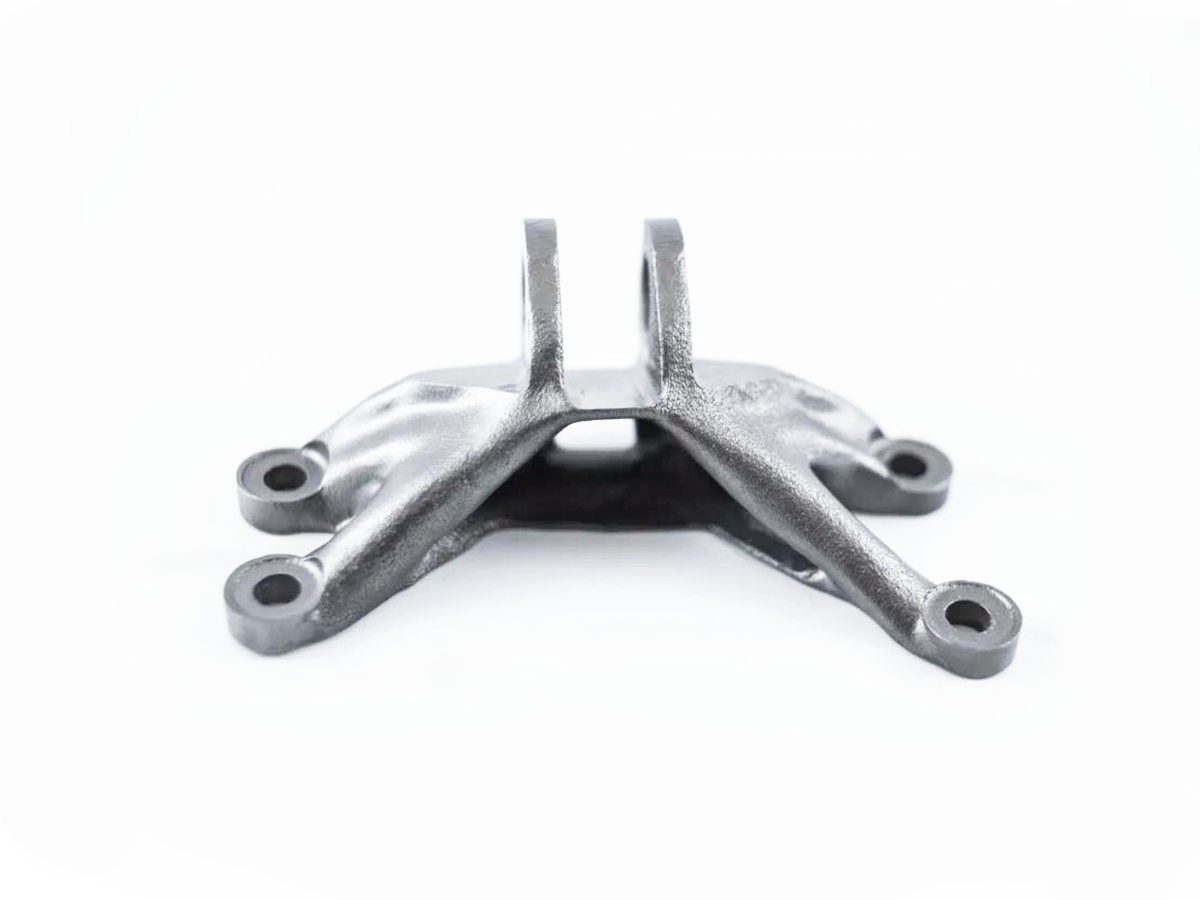
Choose DMLS when: Complex internal channels, part consolidation, lightweight geometry, rapid prototyping, or low-volume demand creates a clear benefit, and a controlled build, HIP or approved alternative, heat treatment, finishing, NDE, and representative testing can be qualified against the drawing.
Choose Forging when: The part has forgeable geometry, sustained creep or stress-rupture exposure, critical rotating duty, high production volume, or a specification that requires wrought material history. Forging is also the practical choice when the program cannot support DMLS process qualification, representative coupons, surface validation, and service-relevant testing.
DMLS-printed Inconel parts can match forged components for selected, verified properties; they are not universal drop-in replacements. Approval should follow a property-by-property comparison using the same alloy condition and test basis. The RFQ should define the forged reference, controlling load and temperature, build and coupon orientation, post-processing route, final surface, NDE limits, sampling plan, and acceptance values before the supplier prices either manufacturing route.