Neway as a Manufacturing Partner for Custom Crankshaft Projects
Neway as a Manufacturing Partner for Custom Crankshaft Projects
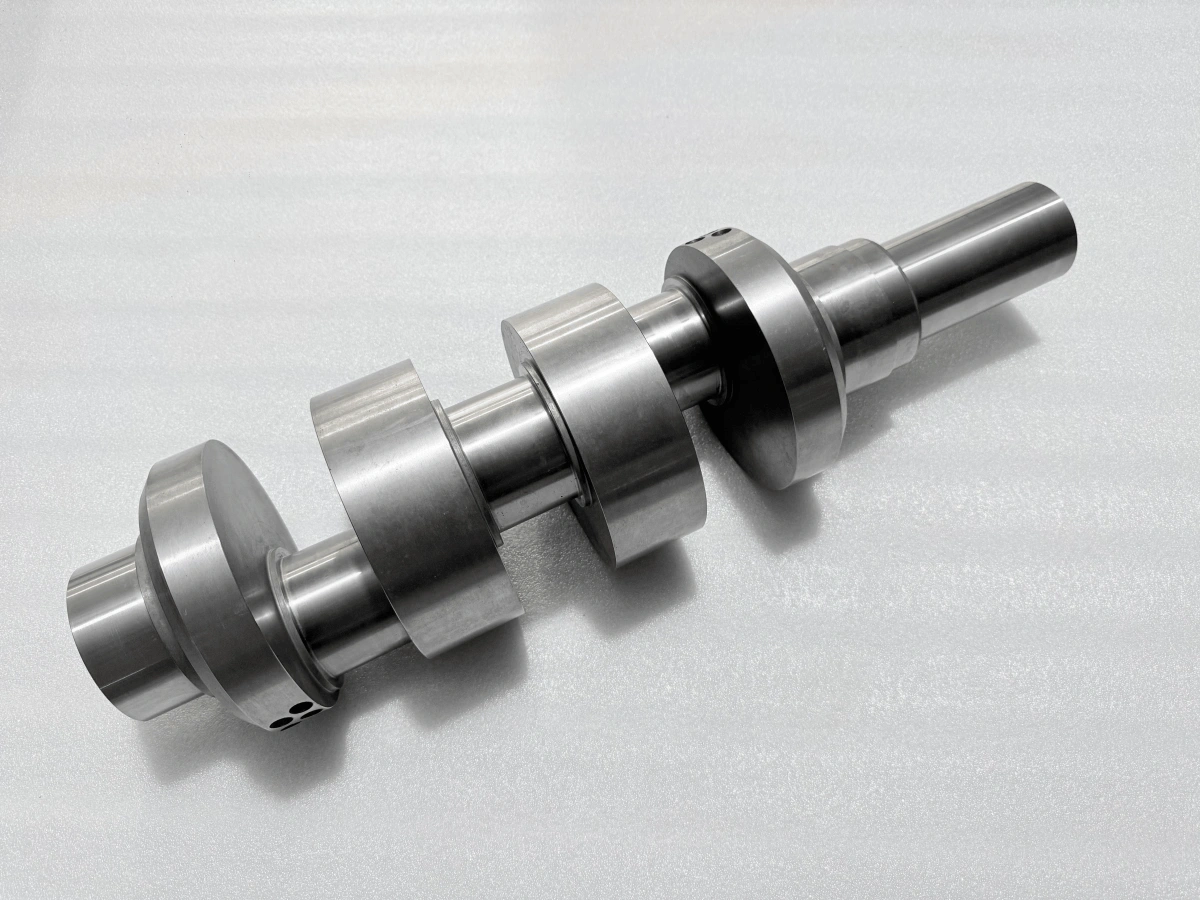
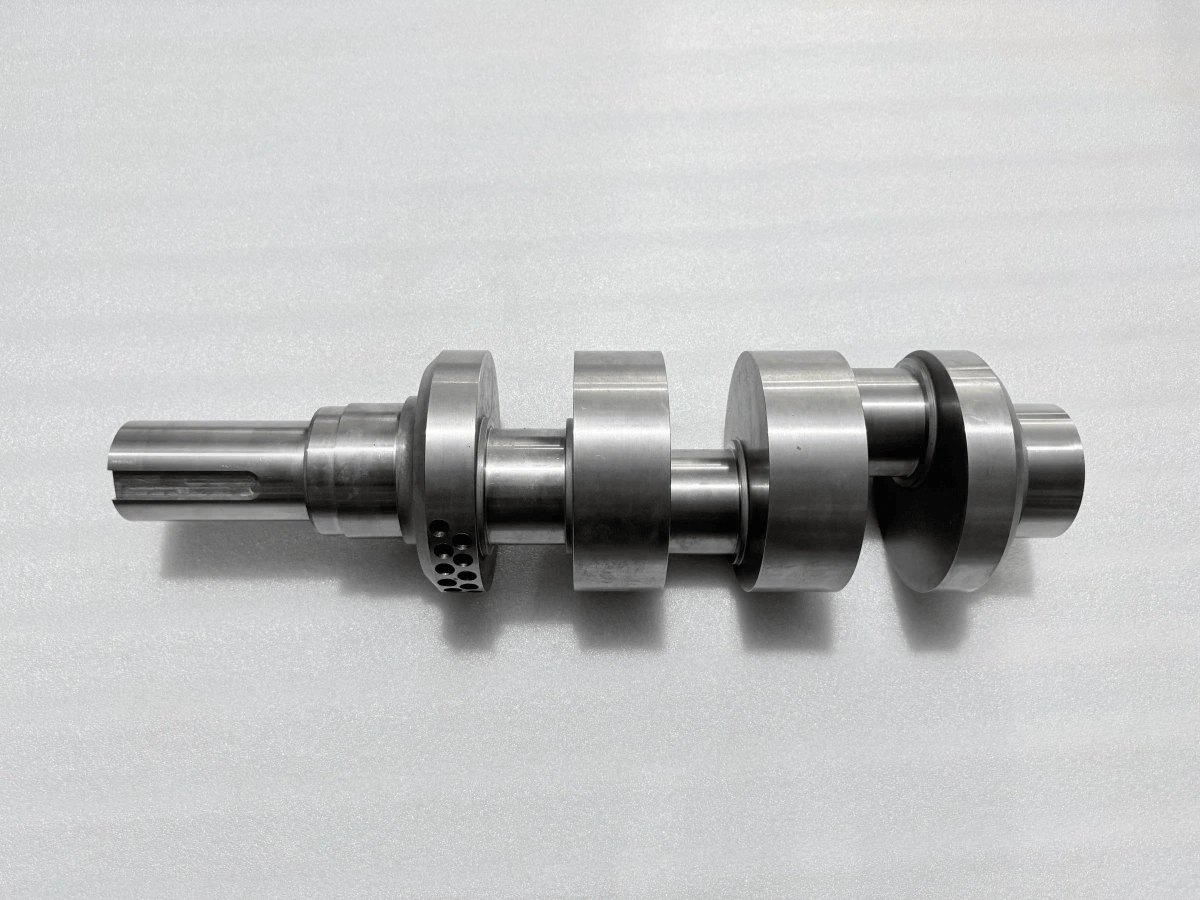
A power-generation crankshaft project brought a customer's engineering team and Neway together to work through material selection, machining preparation, and the relationship between nitriding and possible finish grinding. The customer defined the product requirements and asked detailed questions about our proposed route. We explained the manufacturing approach, raised points that needed a decision, and set out what had to be confirmed before machining could begin. For a buyer evaluating a custom crankshaft manufacturing partner, these exchanges show the practical engineering support that accompanies the manufacturing work.
Understanding the Customer's Project Requirements
The customer's scope combined an alloy-steel crankshaft, main and offset journal features, nitriding, possible follow grinding, and several forms of inspection evidence. Its engineering questions went beyond the final geometry. They asked how datum continuity would be maintained between setups, how the grinding sequence would relate to the datum journals, how the treatment stage would be controlled, and how dimensional records would use the drawing datums. These questions defined the decisions Neway needed to address before the manufacturing package could be released. They also made the customer's approval role clear wherever a proposed change affected the agreed specification.
Neway's Role in Turning Requirements Into a Workable Route
For this project, our role was to connect the customer's requirements with the planned manufacturing route. We provided written responses on setup transfer, datum use, the proposed machining and grinding sequence, treatment coordination, and inspection references. When our review identified an alternative treatment option, we presented it for engineering consideration and stated that the agreed route would not be changed without customer approval. We also linked the outstanding decisions to revision of the pre-production deliverables and project schedule. That kept technical discussion, approval authority, and document release within the same project conversation.
Two Decisions That Required Written Alignment
The first collaboration point concerned material documentation. Neway explained that an earlier material certificate was a reference sample rather than the certificate for stock allocated to production. The customer reviewed the proposed material on an order-specific basis and requested confirmation of the actual stock selection and heat traceability. Our written position was that the production certificate and stock details would be submitted for review before machining release. This exchange separated the material specification decision from the later allocation record and gave both teams a written condition for moving the project forward.
The second point concerned the interface between nitriding and possible follow grinding. Neway raised the issue before releasing the full production package because the treatment requirement and any later material removal had to be coordinated. The customer replied that the original treatment route remained controlling, clarified the required process window, and defined the objective condition for considering follow grinding. We acknowledged that direction and stated that the approved route would be carried into the revised pre-production documents. The resulting direction came from the customer's technical clarification, while Neway's responsibility was to reflect it accurately in the planned route.
Connecting Manufacturing Stages and Inspection Records
The correspondence also set out how confirmed decisions would feed into manufacturing preparation. The manufacturing guide proposed staged operations and review points, while our technical replies addressed how datum references and treatment conditions should carry between operations. For the customer, the important connection was between an engineering answer and the instructions proposed for the shop. In a CNC machining project, that connection should remain visible when a route is revised. An approved change needs to reach the relevant manufacturing and inspection instructions before the affected work is released.
The customer also asked how measurement references would be established and what evidence would accompany the work. We described the planned measurement approach and documentation in writing. The order file contains separate material, dimensional, surface-treatment, surface-examination, and balancing records. Their distinct purposes matter when agreeing what the customer will review. During quality assurance planning, both teams can identify the required records and the questions each must answer. This gives the report discussion a clear scope without treating the presence of a file as proof that every review or delivery step is complete.
Preparing a Similar Crankshaft Project With Neway
For a similar project, send Neway the current drawing, material specification, surface-treatment requirements, inspection plan, and expected report formats. We can review the interfaces, identify questions that require customer direction, and describe which responsibilities sit with Neway, the customer, or a specialist process provider. The output can include a proposed manufacturing route, a focused technical-question list, and a document plan for approval before release. This is how a custom crankshaft manufacturing partner supports a demanding project: by making requirements, decisions, responsibilities, and review evidence clear enough for both engineering teams to act on.
FAQ