Machined Parts Manufacturer Selection Starts with Evidence
Machined Parts Manufacturer Selection Starts with Evidence
Choosing a machined parts manufacturer is a production decision, not a search for the lowest quoted rate. A useful comparison connects the released drawing to process control, inspection evidence, capacity assumptions, and delivery responsibilities. The buyer should be able to explain which features are critical, how those features will be measured, what material and revision will be used, and what happens when a result is outside the acceptance plan. A supplier that can answer those questions clearly gives the purchasing team a more reliable basis for an RFQ and a repeat order.
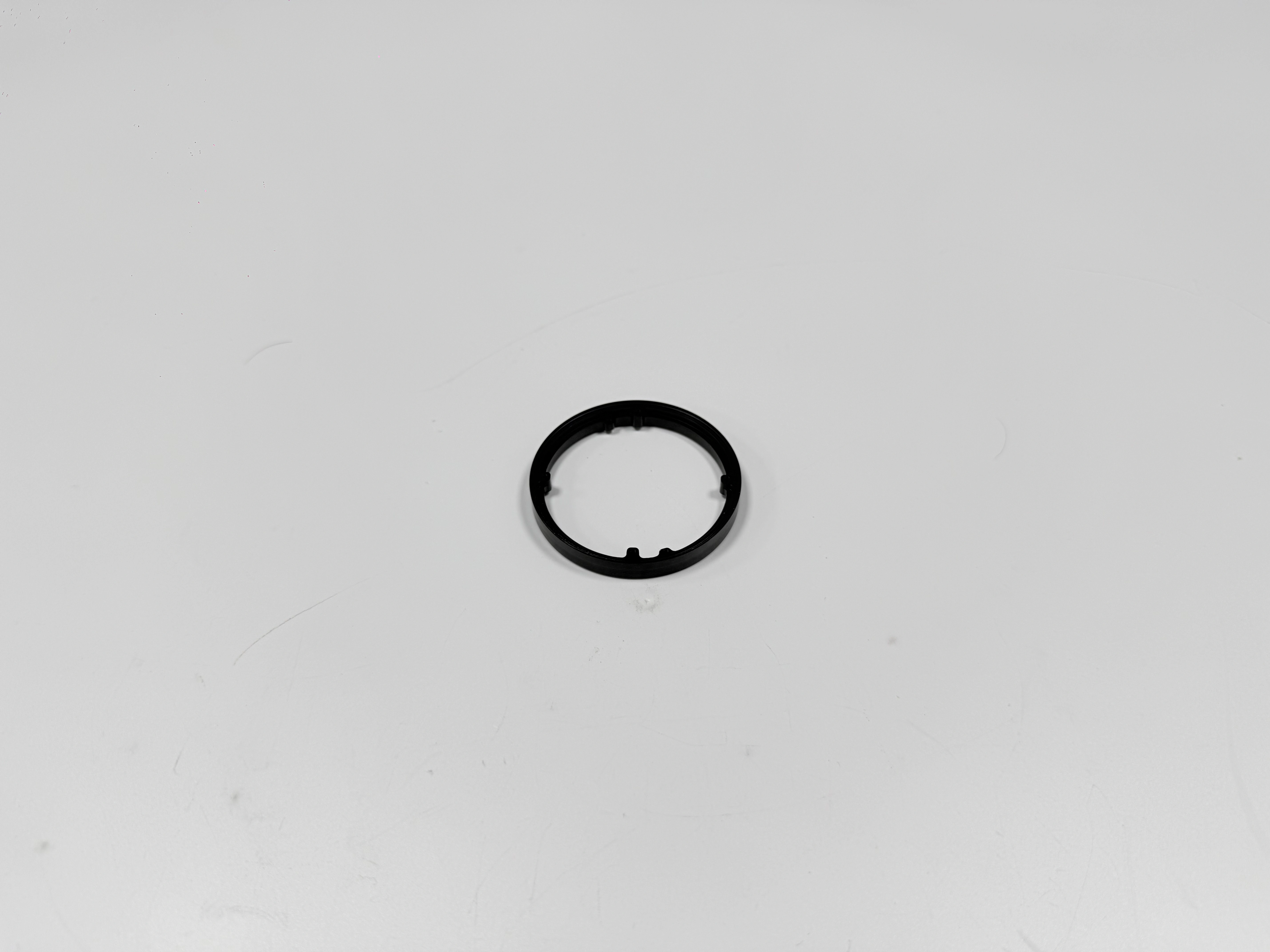
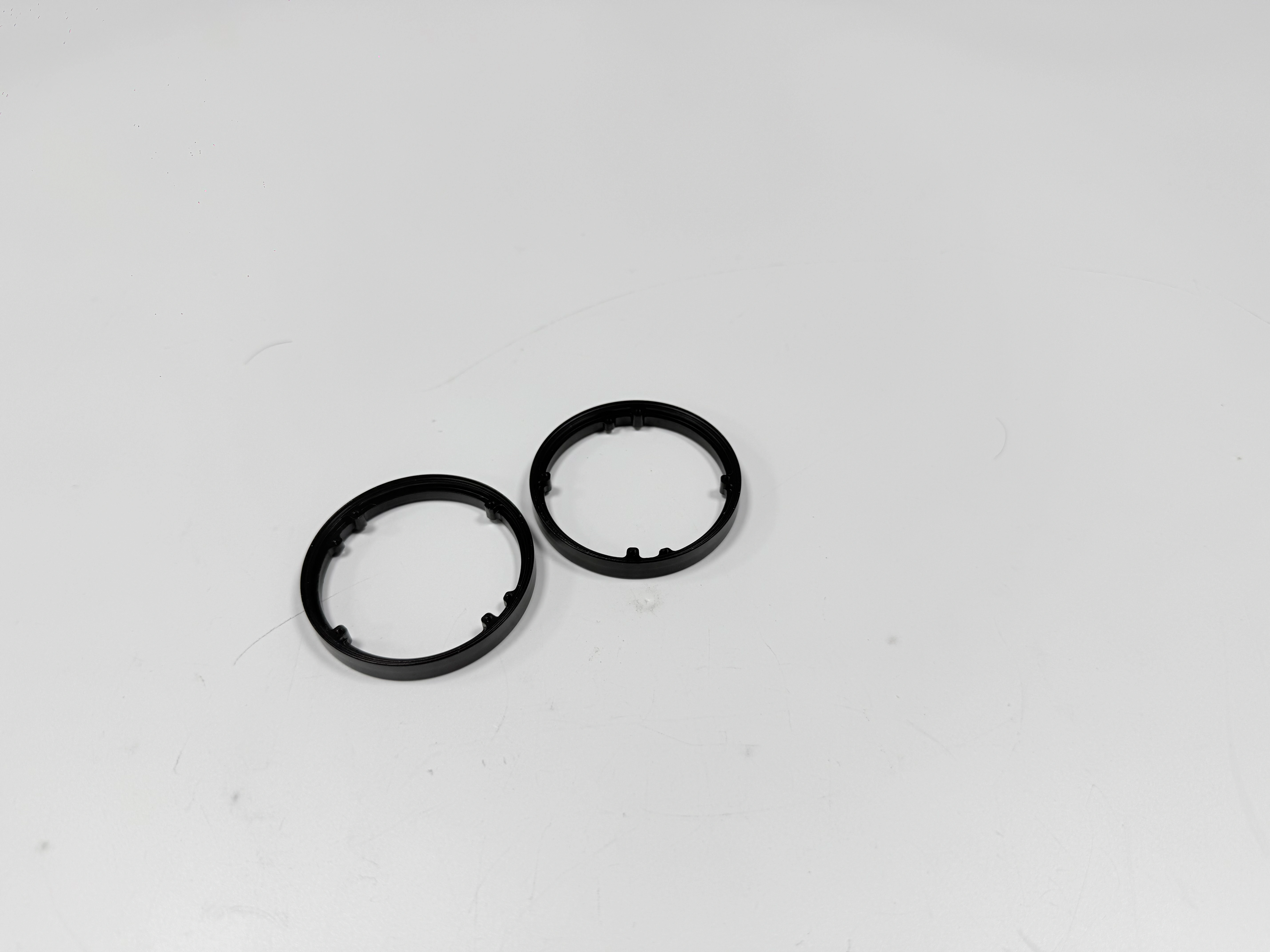
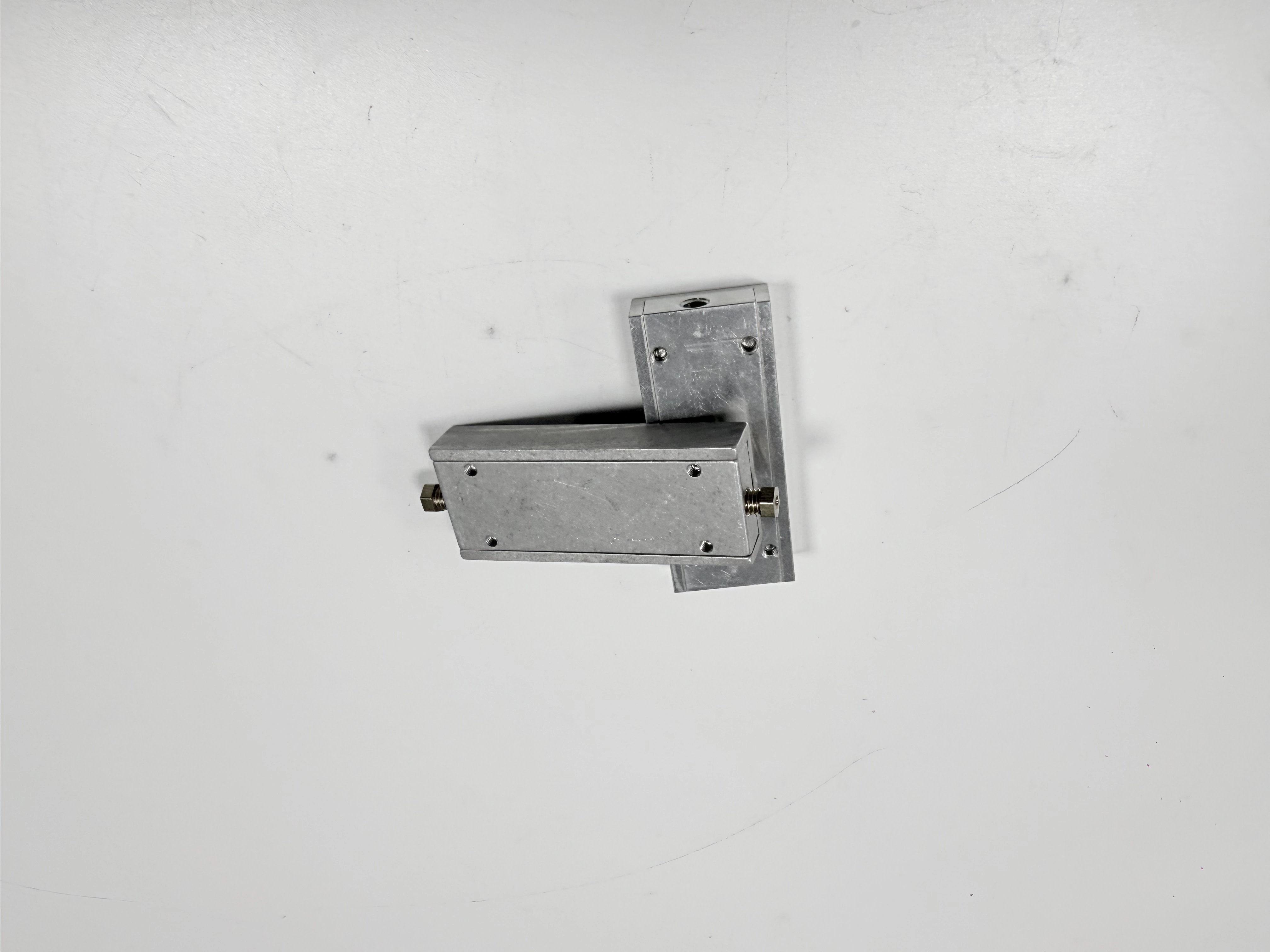
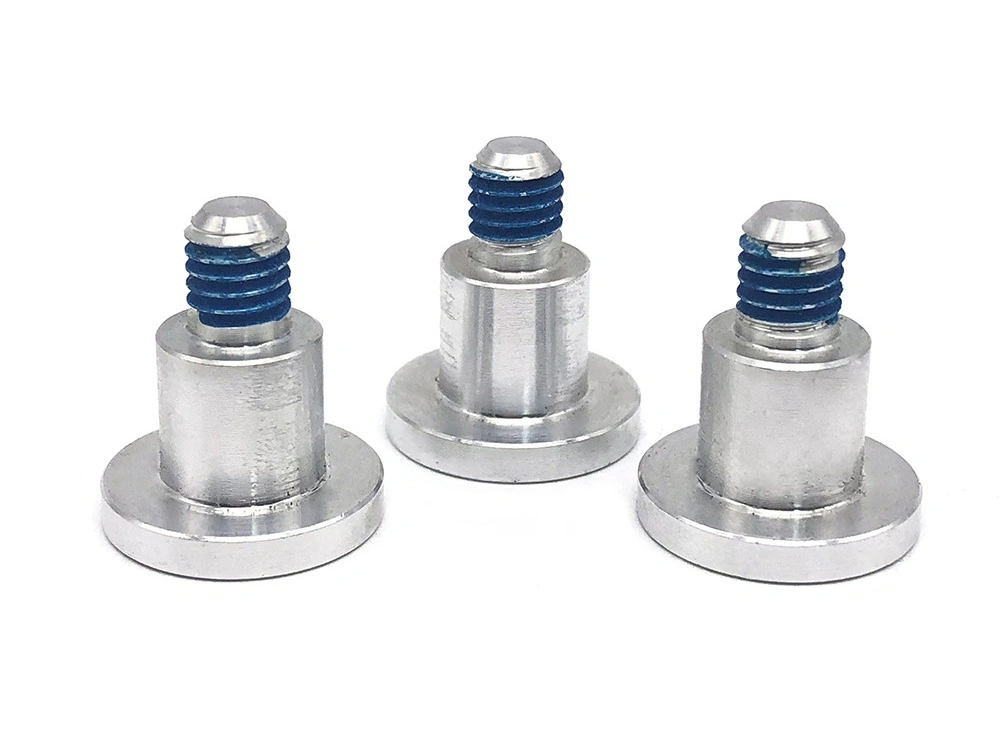
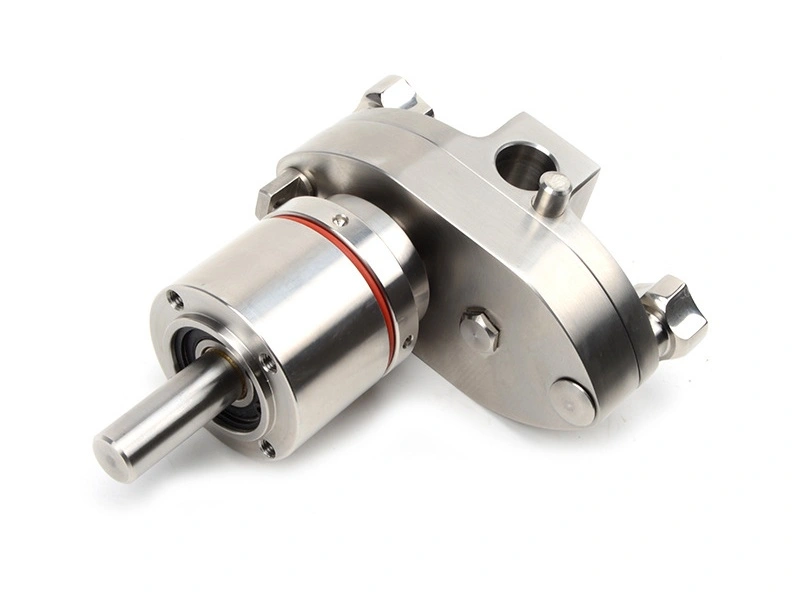
The ring-shaped component shown in the image pair is used only as a visible geometry example. The photographs do not establish its material grade, heat treatment, tolerance, service sector, or inspection result. Those facts must come from a controlled drawing, material certificate, process record, and inspection report. This boundary matters because a polished appearance can be shared by very different alloys and process states.
Define the Manufacturer Decision Before Comparing Quotes
A buyer should first state the decision that the manufacturer must support. One project may need a prototype with fast design feedback. Another may need interchangeable parts across several lots. A third may need a documented inspection package for a regulated assembly. Each decision changes the evidence requested from the supplier. “CNC machining” alone does not define the acceptance route.
Separate Part Risk from Supplier Marketing
Start with the part rather than a supplier's general capability list. Identify functional interfaces, datum features, thin walls, deep pockets, threads, sealing surfaces, and finishes that affect assembly. Mark which characteristics are safety, fit, or performance critical. A supplier can then explain the proposed setup, tooling, workholding, and measurement method for those characteristics. Statements such as “high precision” or “tight tolerance” are not substitutes for a feature-level plan.
For the ring example, the internal lugs and circular profile may define how another component locates. The drawing should state the datum scheme, profile requirements, and any runout or concentricity relationship. The image can help a reviewer recognize the geometry, but only the drawing and approved inspection method can define acceptance.
Record the Buyer Deliverables
Before requesting price, gather the current drawing, model, revision history, material and condition, finish requirements, quantity by lot, packaging constraints, and inspection records required at shipment. State whether the supplier may propose substitutions or process changes. If outside finishing or heat treatment is involved, define who owns certificates, incoming checks, and final acceptance.
| RFQ field | Why it changes supplier selection | Buyer action |
|---|---|---|
| Revision and model | Prevents an obsolete feature set from being quoted | Identify the controlled revision and effective date |
| Critical characteristics | Links process choices to functional risk | Mark CTQs and required measurement evidence |
| Material condition | Changes cutting behavior and acceptance state | Specify grade, condition, and certificate needs |
| Lot definition | Determines sampling and traceability | State quantity, split shipments, and replacement treatment |
Evaluate Process and Capacity Evidence Together
Capacity is more than the number of machines listed on a website. The relevant question is whether the proposed route can hold the part's CTQs for the requested lot while preserving the agreed inspection and delivery sequence. Ask how the supplier will establish datums, stabilize workholding, control tool wear, and verify the first accepted unit. Then ask how additional units will be monitored and segregated if a trend appears.
Ask for Route-Level Assumptions
A useful quotation identifies the assumed blank form, number of setups, outside operations, finishing state, inspection stage, and packaging method. It also identifies what is excluded. A quote that excludes material certificates or final inspection may look cheaper while leaving the buyer to arrange the missing controls. Equivalent scope is required before price or lead-time comparisons have meaning.
Distinguish Machine Data from Part Data
Machine travel, spindle specifications, and control resolution describe equipment; they do not guarantee the finished part. Part evidence should show the characteristic, nominal, tolerance, actual result, measurement method, and measurement condition. If a feature cannot be reached directly, the report should state the limitation and the approved alternative. This protects both parties from treating an equipment specification as a product acceptance statement.
Review Quality Controls and Inspection Records
A machined parts manufacturer should be able to explain how a drawing revision becomes a controlled work instruction and how a nonconforming result is contained. The buyer does not need proprietary tool paths, but does need confidence that the same requirements are used by programming, machining, inspection, and shipping.
Match Evidence to Characteristics
Use a characteristic register that separates size, location, form, surface condition, and functional fit. A diameter report does not prove axis location. A visual finish check does not prove a roughness value. A thread gauge result does not prove the thread's position relative to a mounting datum. The report should make each conclusion traceable to an appropriate method.
Ask how measurement equipment is identified and how calibration status is shown. If a supplier proposes sampling, request the rationale and the reaction rule for a failed sample. The rule should state whether the lot is held, which units are rechecked, and who can approve disposition. These details are more useful than an undifferentiated claim of inspection.
| Evidence item | Decision supported | Limitation to state |
|---|---|---|
| Material certificate and lot link | Confirms the supplied material identity | Does not prove every finished-part dimension |
| First-piece report | Shows the initial route and datum interpretation | Does not by itself show lot stability |
| In-process trend data | Reveals drift before shipment | Only applies to the recorded characteristic and state |
| Final inspection report | Supports shipment acceptance | Scope depends on the listed sample and methods |
Compare Delivery Commitments and Change Control
Delivery risk often enters through an unrecorded change. A different stock form, fixture revision, subcontracted finish, or measurement state can alter the evidence even when the part looks similar. The RFQ should identify the events that require notice and approval. It should also state how split shipments, replacement pieces, and rework are recorded.
Use a Release-Based Schedule
Break the schedule into drawing release, programming review, material receipt, first-piece inspection, lot production, outside processing, final inspection, and shipment. Ask which milestones are estimates and which depend on buyer approval. A supplier should not promise an exact date without the inputs needed to support it. The buyer should track open decisions rather than treating an early quote as a fixed commitment.
Define Change Notification
Define who may approve a change to material, process route, fixture, outside processor, measurement method, or packaging. Require the supplier to identify affected lots and records when a change occurs. If a change affects a functional interface, the next lot may need a new first-piece review. This keeps delivery evidence aligned with the revision the buyer actually approved.
Build a Shortlist That Supports the Next Purchase Decision
A strong shortlist has comparable evidence, not just comparable prices. Score each response against the same CTQ coverage, material traceability, inspection method, change control, capacity assumptions, and delivery milestones. Record unanswered questions as open risks. A supplier with a higher initial quote may reduce total project risk if the scope includes the records and controls needed for acceptance; the buyer should verify that inclusion rather than assume it.
For the illustrated ring, the next action is to provide the controlled drawing, material requirement, interface datums, lot size, finish state, and inspection deliverables. Ask each candidate to return a route summary and list of assumptions. Keep the image as a geometry reference only. The final manufacturer decision should rest on approved documents and verifiable part evidence. Neway's CNC machining service page can be used as a service-context reference, while the RFQ remains the controlling source for this part.
FAQ