My product prototype requires machining with stainless steel. Can Neway provide support?
Yes, Neway can support stainless steel product prototypes when the RFQ includes enough engineering information to choose the right grade, machining route, surface treatment, and inspection plan. Stainless steel prototypes should not be treated as simple visual models if the final product needs corrosion resistance, tight fits, burr control, passivation, strength, or production transfer. The useful support starts with drawing and 3D model review, then moves into material selection, manufacturability feedback, prototype machining, edge finishing, surface treatment, and first-article inspection. A buyer should provide the intended application, stainless grade or corrosion requirement, critical dimensions, surface finish, edge limits, target quantity, and whether the prototype must represent future production intent. If the design is still changing, the prototype should answer one clear question: fit and function, material behavior, appearance, corrosion response, assembly test, or process route. That focus prevents the sample from becoming expensive without giving reliable production information.
Prototype Support for Stainless Steel Parts
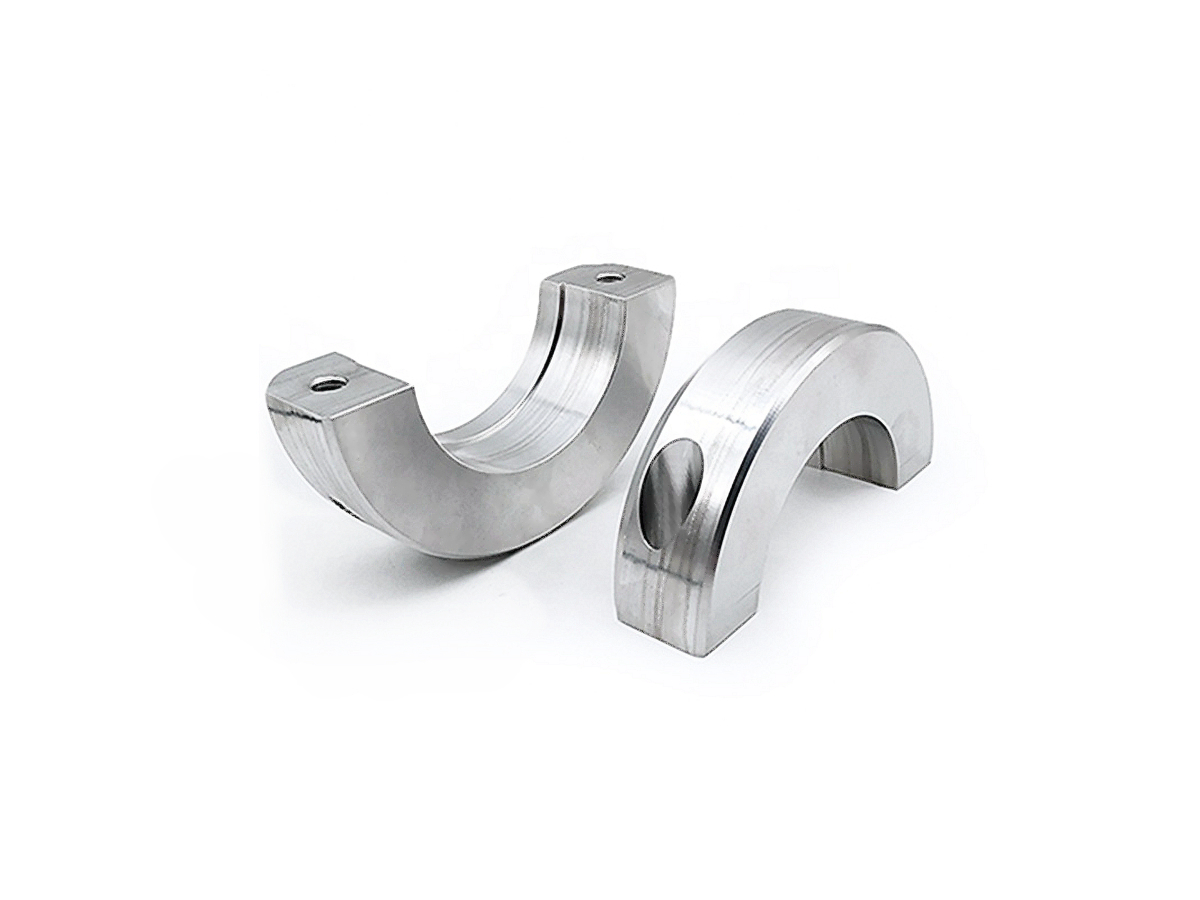
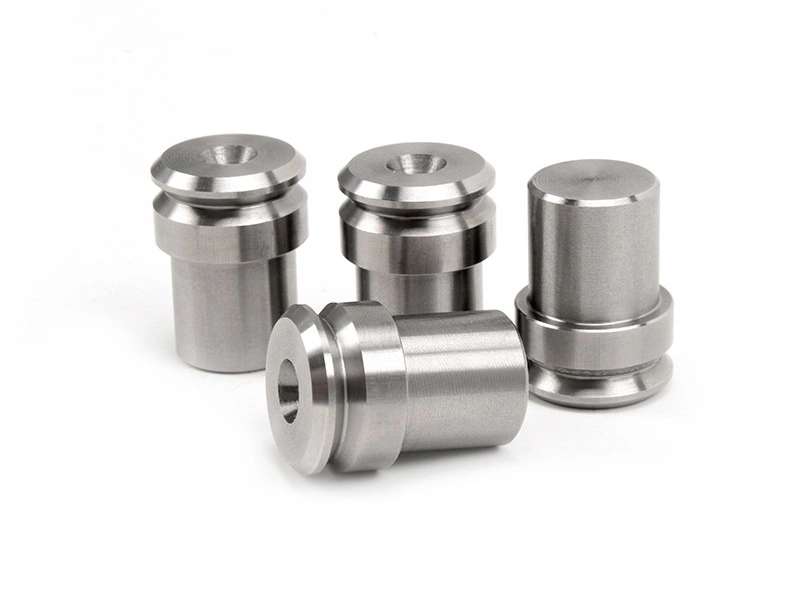
The Prototyping Service should be used to prove both part geometry and manufacturing assumptions before a stainless design moves into repeat orders. A simple bracket in SUS304 may mainly need hole position, edge break, surface finish, and passivation review. A housing, valve body, or fluid-contact component in SUS316 may also need corrosion exposure, crevice risk, internal burrs, cleaning access, and polishing or electropolishing allowance. A high-strength component in SUS630 (17-4PH) requires heat-treatment condition, hardness target, final machining stage, and inspection timing to be reviewed before cutting. The prototype decision should confirm the material condition, not only the grade name. The buyer should also state whether substitute material is acceptable for fit checks or whether the real stainless grade is required for wear, corrosion, magnetic, welding, or sterilization evaluation.
Engineering Review from Design to Finish
Design for Manufacturability Review
Before machining, the supplier should review the 3D model, 2D drawing, datum scheme, tolerance stack, wall thickness, tool access, hole depth, internal corners, threads, and burr-sensitive features. Stainless steel can work harden, deflect thin walls, form persistent burrs, and move after unclamping, so DFM feedback should identify which dimensions are difficult, which features may need extra setups, and which edges require special control. If the prototype may move into Low Volume Manufacturing or Mass Production, the review should also separate one-off prototype shortcuts from production-ready process choices. Buyers should ask which changes reduce risk without changing function. Examples include opening a corner radius for cutter access, changing a blind hole depth, adding inspection datum clarity, or moving a cosmetic surface away from a difficult clamping face.
Machining, Deburring, and Surface Treatment Plan
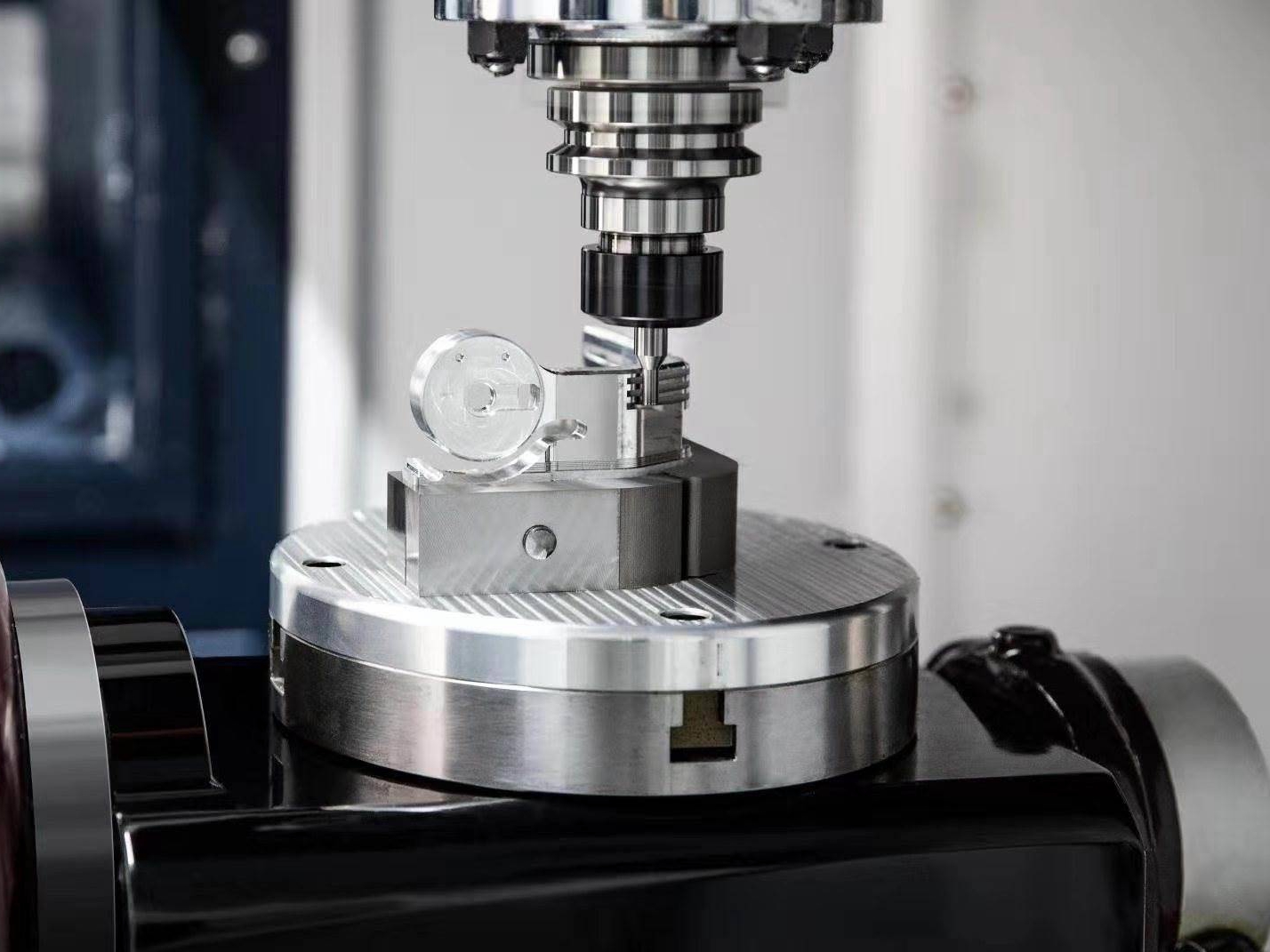
A stainless prototype should be machined with parameters that protect the future part requirement, not only the fastest prototype delivery. The CNC Machining Service plan should define stock condition, setup sequence, tool access, finishing allowance, burr control, and inspection points for critical features. Post-processing should be selected by function: Stainless Steel Passivation can support corrosion resistance after machining; PVD Coating may help wear or galling surfaces when thickness and masking are acceptable; Polishing can improve cleanability or appearance when material removal and edge rounding are controlled. Each finishing step should be inspected after completion, not only before finishing. If coating, passivation, or polishing changes a bore, thread, sealing land, or edge radius, the prototype report should identify that change before the design is approved.
Application and Compliance Review
Different prototype uses need different evidence. A part for Medical Device development may need cleanability, burr limits, traceable material, surface roughness, and passivation records. A part for Aerospace and Aviation use may need controlled material condition, datum discipline, documented inspection, and risk review for fatigue-sensitive edges. A fixture or wear part for Industrial Equipment may prioritize strength, fit, wear, delivery schedule, and replacement cost. These examples do not replace the drawing or customer specification; they show why the prototype RFQ should state the industry, service load, environment, and acceptance records expected with the sample.
Prototype-to-Production Support Path
A strong stainless prototype workflow should make the next decision easier: revise the design, approve a sample, change material, adjust finishing, or prepare for a production build. The following sequence is a practical way to control risk:
Consultation & Quote: Submit STEP or native CAD, 2D drawings, material grade, quantity, critical dimensions, finish, burr limits, and inspection needs for quotation and DFM feedback. Include the prototype purpose so quotation assumptions match the test.
Precision Manufacturing: Machine the prototype with documented setups, cutting assumptions, finishing allowance, and inspection points that reflect the intended function. Record any process choice that differs from future production.
Full Post-Processing: Apply only the specified deburring, passivation, coating, polishing, or cleaning steps, then confirm whether dimensions and appearance are accepted after finishing. Sample coupons may help when finish risk is high.
Quality Assurance & Delivery: Review first-article dimensions, surface finish, edge condition, material condition, and any agreed reports before using the prototype for testing or production transfer. The next order should use the inspection feedback, not restart from an unverified quotation.