What Should a Large-Part Jig Boring RFQ Include?
What Should a Large-Part Jig Boring RFQ Include?
A large-part jig boring RFQ should include the controlled drawing and model, plate geometry, functional hole pattern, material state, datum scheme, support limits, tool access, inspection state, change reactions, records, outside processing, packaging, and milestones. A request that lists only nominal holes and a target date hides sag, reorientation, thermal drift, and evidence scope. Buyers should make suppliers quote the same technical boundary before comparing cost.
Attach Drawing and Functional Context
Provide revision, model, hole diameters, depths, counterbores, pattern origins, edge distances, perpendicularity, position, flatness, and surface requirements. State which faces and holes locate or carry load, and identify mating hardware, assembly order, temperature, and environment. Separate dimensions from form and pattern relationships. If the part is bolted to a frame, state whether that assembly is the released condition.
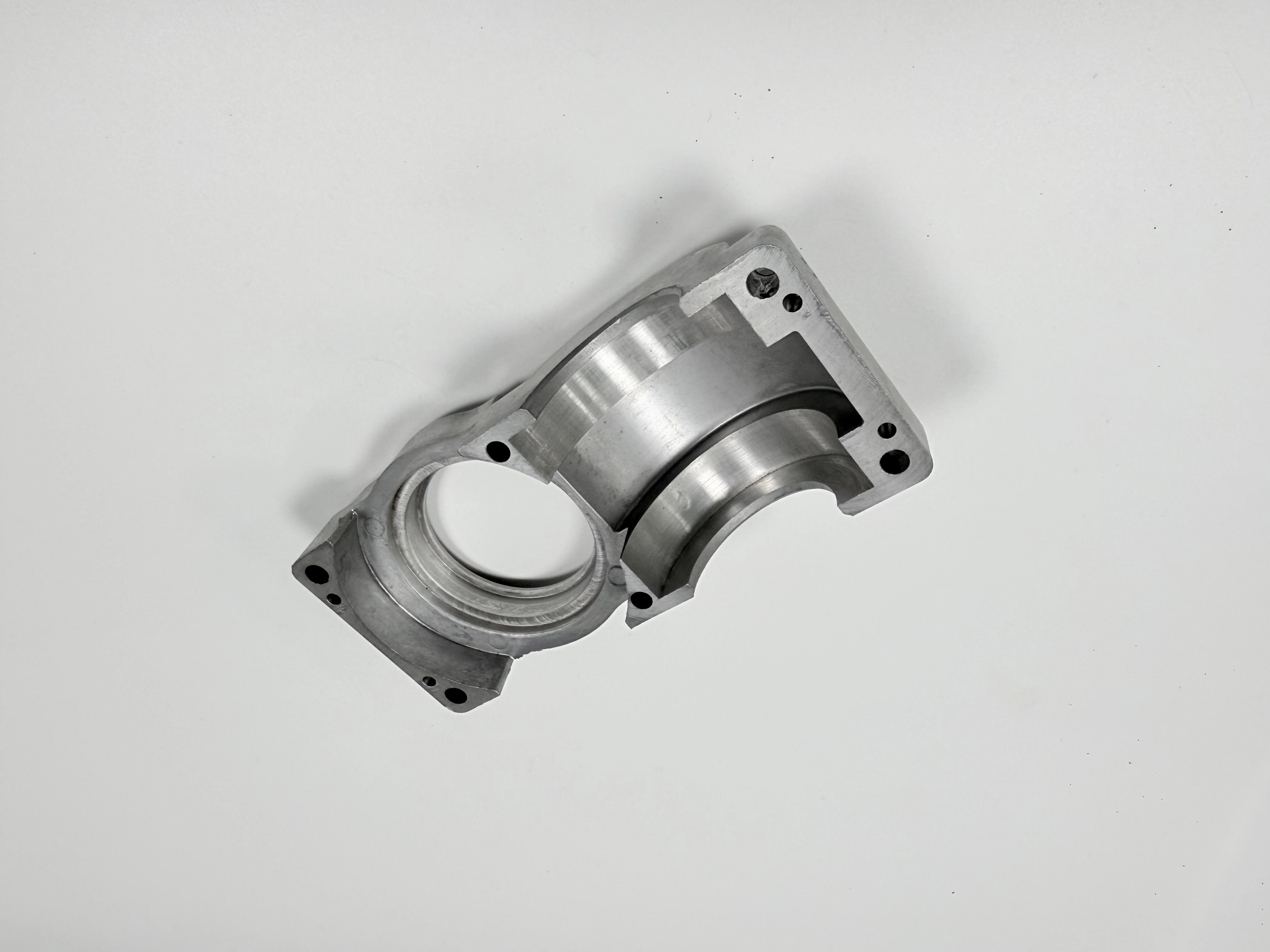
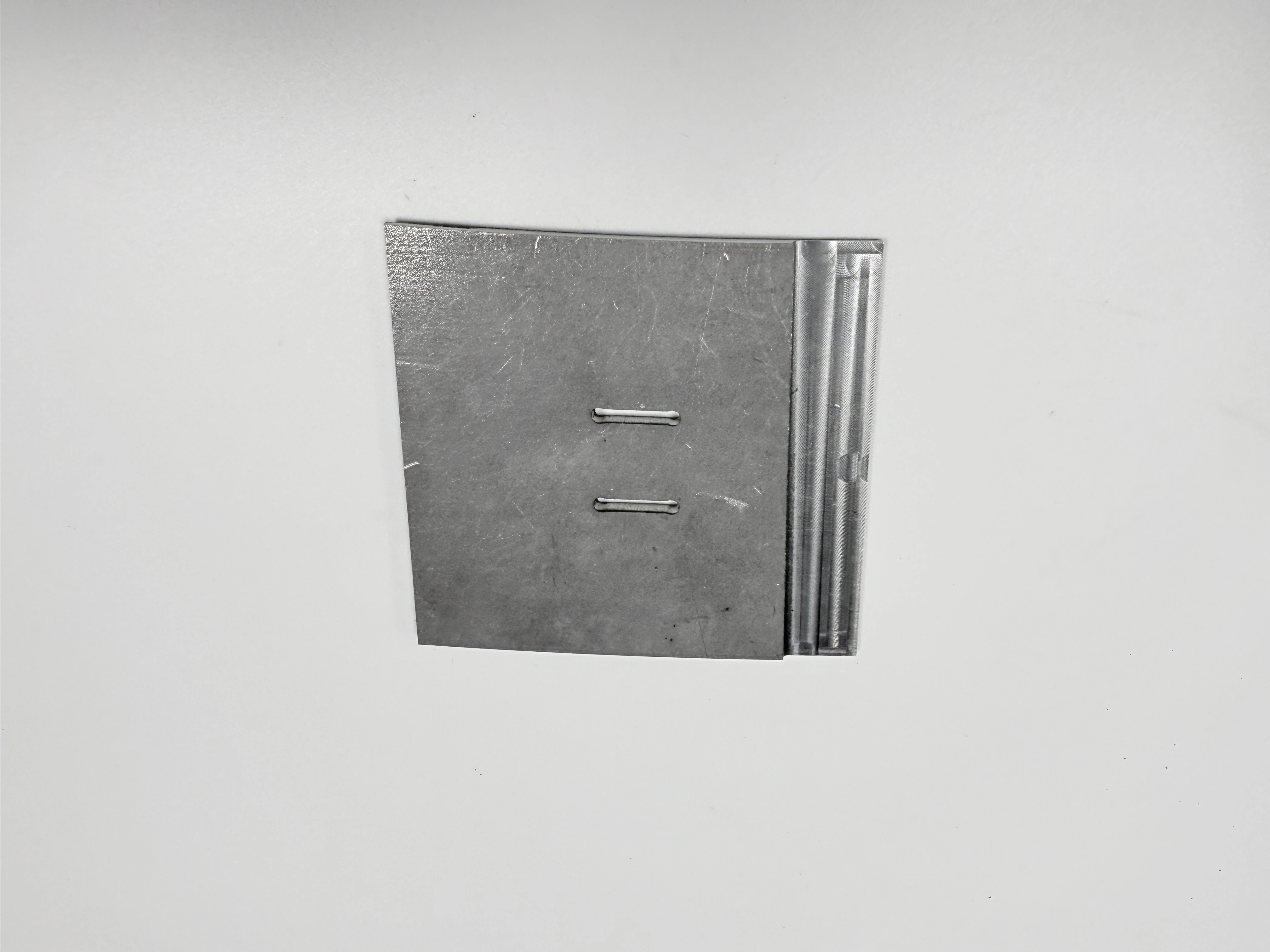
The paired plate views show a long rectangular body with an end hole and a smaller hole cluster. They are useful geometry prompts, not dimensional evidence. Do not rely on an image to define material, thickness, tolerance, application, or jig capacity. The drawing and approved clarification control the RFQ.
State Material and Entry Condition
List material designation and condition, heat or lot, rough-machined dimensions, stock distribution, burr state, heat treatment, welding, coating, and stabilization. Ask suppliers to state the entry window they assume for boring. Too little stock may leave a damaged or wandering hole; too much may increase deflection, heat, and time. Require notification if actual stock falls outside the quoted window.
If outside processing follows boring, identify before-and-after checks and the delivered state. A certificate supports material or processor identity within scope; it does not prove the final hole pattern. Preserve pre-process measurements and link them to the unit or lot.
Define Support and Datum
Provide primary, secondary, and tertiary datums, contact order, support spacing, compliant pads, clamps, orientation sequence, and restrictions near holes. State free, restrained, or assembled measurement state and the temperature. Ask suppliers to explain how a flip or machine transfer preserves the functional frame. A convenient fixture edge is not automatically the drawing datum.
Require setup verification after a locator, pad, clamp, fixture, machine, or program change. Ask for witness features and affected-range rules. If the drawing datum is ambiguous, resolve it before quote comparison. A machine coordinate or nominal support grid does not prove product location.
Describe Tool Access and Process Assumptions
Include hole depth, shoulder, entry chamfer, interruptions, clearance, chip evacuation, coolant, holder projection, and probe access. Ask suppliers to state tool, holder, pass, and support assumptions and the signals that trigger a check. A machine work envelope or spindle rating does not prove that the holder reaches every feature without deflection.
State which operations are included: roughing, drilling, boring, counterboring, deburring, cleaning, inspection, rework review, and packaging. If an inaccessible region requires an alternate method, require its correlation and limitation. Do not accept a quote that silently excludes a deep or obstructed hole.
Specify Inspection and Records
Define diameter sections, position frame, perpendicularity, flatness, twist, surface condition, functional fit, sampling, temperature, restraint, instrument, calibration, units, and raw-data requirements. State what is measured on every unit and what is sampled. A pin fit or one CMM report cannot automatically prove all pattern requirements.
Request records that link drawing revision, setup, support, tool, program, material, measurement, outside processing, deviation, and shipment. Require change notices and original values when a repeat measurement is made. A redacted example can show format, but it is not evidence for the current plate.
Separate Commercial Scope
Break out programming, fixture, support, tooling, first-piece, inspection, rework, outside processing, cleaning, packaging, freight, and approvals. State milestones for drawing review, support qualification, first hole pattern, transfer check, and final release. Ask for assumptions behind cycle time and capacity without treating them as product guarantees.
Require notification before changing machine, fixture, support, tool, program, material heat, coolant, inspection, processor, or packaging. Compare quotes only after the same evidence and change scope is included. A low price that excludes support verification is not equivalent.
Ask Questions That Expose Risk
Ask how sag is measured, how the datum is transferred after a flip, how deep access is confirmed, how drift is contained, and how delivered state is inspected. Ask who owns drawing interpretation, setup approval, deviation, and restart. Request a route boundary when the supplier cannot measure a feature directly. Open questions should remain visible in the comparison.
Keep an answer log with question, revision, owner, decision, and date. If clarification changes the route or price, update the comparison and retain the earlier assumption. This creates a defensible procurement record.
Buyer Action
Issue the RFQ when function, geometry, material, support, datum, access, inspection, records, changes, cost, and delivery state are explicit. Hold comparison when a quote omits entry stock, support state, pattern evidence, or affected-range rules. A complete large-part RFQ makes jig-boring scope comparable before the first setup.