Tool Steel
Tool Steel CNC Machining Materials Introduction
Tool Steel refers to a family of high-carbon and alloy steels developed for applications requiring high hardness, edge retention, compressive strength, and resistance to abrasion, deformation, and thermal softening. Compared with general-purpose structural steels, tool steels are selected when components must maintain geometry and functional surfaces under repeated contact, cutting, forming, stamping, or sliding conditions.
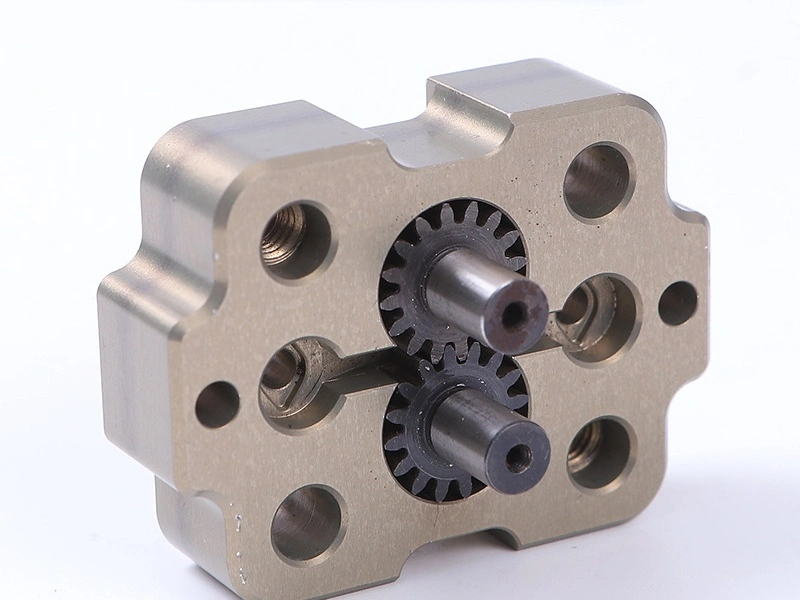
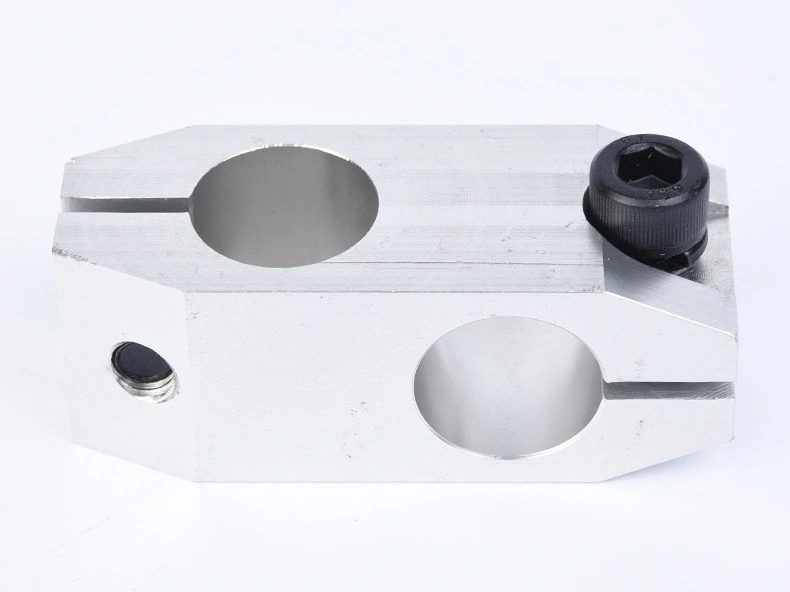
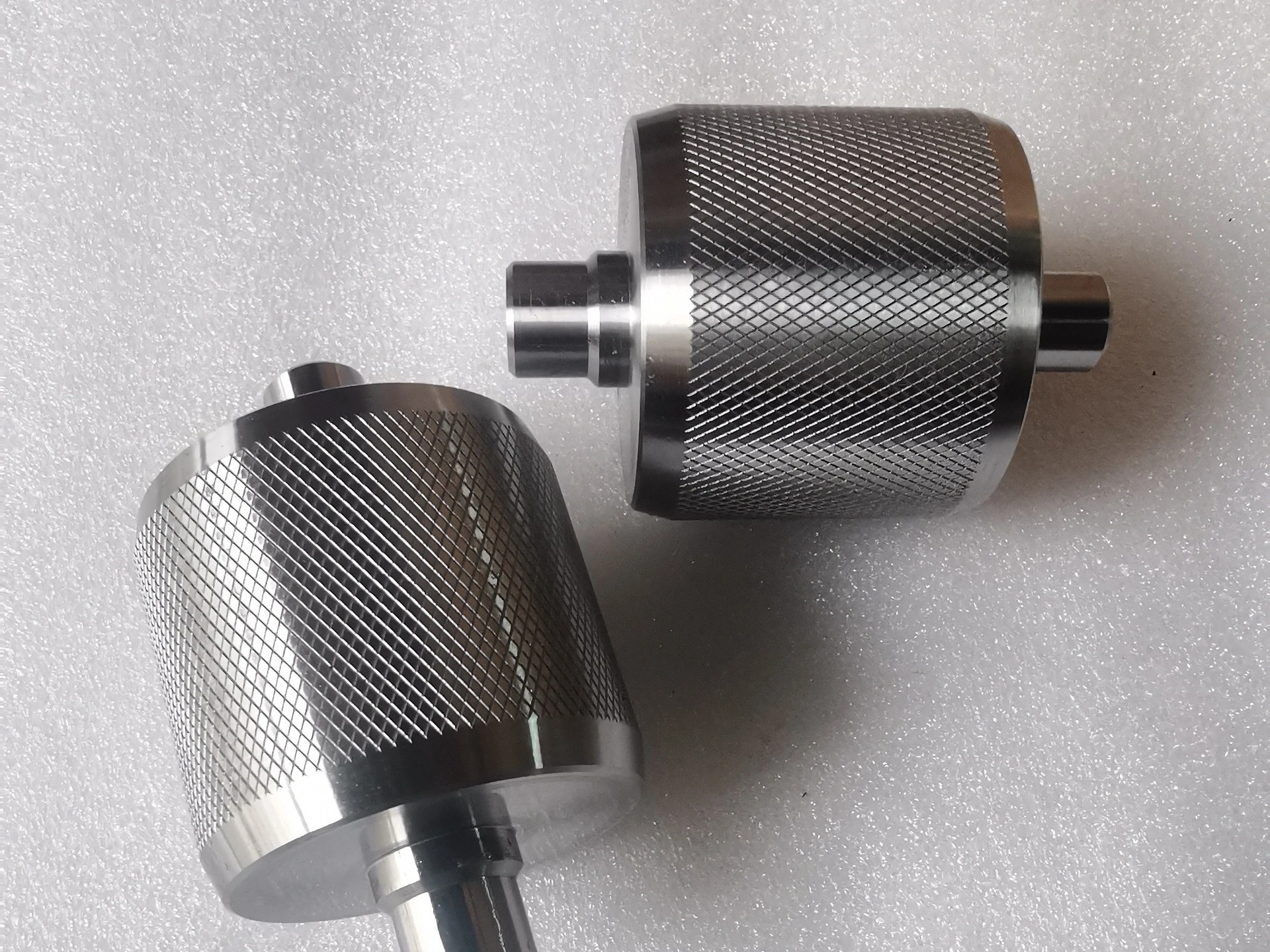
In custom manufacturing, CNC machining of tool steel is widely used for punches, dies, molds, wear plates, precision gauges, cutters, jigs, fixtures, bushings, and high-load mechanical inserts. Depending on the grade and heat-treatment state, tool steel can balance machinability during roughing with excellent final hardness after quenching and tempering, making it a practical material family for highly loaded industrial parts requiring long service life.
Tool Steel Similar Grades Table
The table below lists representative tool steel families and common equivalent designations used in major standards, including China:
Category | Representative Standard | Grade Name or Designation |
|---|---|---|
Cold Work Tool Steel | AISI | D2, O1, A2 |
Hot Work Tool Steel | AISI | H11, H13 |
High-Speed Steel | AISI | M2, M35, T1 |
Cold Work Tool Steel | DIN / W.Nr. | 1.2379, 1.2510, 1.2363 |
Hot Work Tool Steel | DIN / W.Nr. | 1.2344, 1.2343 |
High-Speed Steel | DIN / W.Nr. | 1.3343, 1.3243 |
Cold / Hot Work Tool Steel | GB | Cr12MoV, 4Cr5MoSiV1 |
High-Speed Steel | GB | W6Mo5Cr4V2 |
Tool Steel Comprehensive Properties Table
Category | Property | Value |
|---|---|---|
Physical Properties | Density | Typically 7.70–7.90 g/cm³ |
Melting Range | Typically 1370–1450°C | |
Thermal Conductivity | Typically 20–35 W/(m·K) | |
Specific Heat Capacity | Typically 420–500 J/(kg·K) | |
Thermal Expansion | Typically 10.5–13.0 µm/(m·K) | |
Chemical Composition (%) | Carbon (C) | Typically 0.5–2.3 |
Chromium (Cr) | Typically 0.5–12.0 | |
Molybdenum (Mo) | Typically 0–10.0 | |
Vanadium (V) | Typically 0–5.0 | |
Tungsten (W) | Typically 0–18.0 | |
Manganese / Silicon | Grade-dependent strengthening additions | |
Mechanical Properties | Hardness after Heat Treatment | Typically 50–66 HRC |
Compressive Strength | Very High | |
Wear Resistance | High to Excellent | |
Toughness | Varies by grade and temper condition | |
Modulus of Elasticity | Typically 200–220 GPa |
CNC Machining Technology of Tool Steel
Tool steel parts are commonly produced through a combination of CNC milling, CNC turning, CNC drilling, CNC grinding, and when required, EDM for narrow slots, sharp internal corners, fine details, and hardened geometries. The process route depends heavily on whether the material is supplied annealed, pre-hardened, or fully hardened.
For high-precision tooling components, manufacturers often rough machine the part in the annealed state, apply heat treatment to achieve target hardness, and then finish grind or EDM critical surfaces. This approach improves dimensional retention, surface integrity, and final functional performance for inserts, punches, forming tools, wear components, and gauge features.
Applicable Process Table
Technology | Precision | Surface Quality | Mechanical Impact | Application Suitability |
|---|---|---|---|---|
CNC Milling | Typically ±0.01–0.05 mm | Ra 1.6–3.2 µm | Excellent for profiles and cavities | Dies, molds, blocks, fixtures |
CNC Turning | Typically ±0.01–0.03 mm | Ra 0.8–3.2 µm | Efficient for round features | Pins, sleeves, bushings, punches |
CNC Grinding | Typically ±0.002–0.01 mm | Ra 0.2–0.8 µm | Best for hardened surfaces | Gauge faces, sealing flats, wear surfaces |
EDM | Typically ±0.005–0.02 mm | Ra 0.4–3.2 µm | Minimal cutting force on hard materials | Internal corners, slots, shaped cavities |
High positional accuracy | Good to excellent | Reduces re-clamping error | Complex tooling inserts and contoured parts |
Tool Steel CNC Machining Process Selection Principles
When the part includes pockets, contours, parting geometry, and complex external surfaces, CNC milling is usually the primary process. It is effective for machining die cavities, mold bases, clamping details, and functional faces before heat treatment, especially when roughing stock removal must be balanced with controlled dimensional distortion.
For cylindrical components such as punches, guide pins, shafts, bushings, and round cutting tools, CNC turning offers the most efficient process route. It provides strong concentricity control and repeatability, especially when combined with secondary grinding after hardening.
When hardness is high and tolerance or finish requirements become critical, CNC grinding becomes the preferred finishing method. Grinding is particularly suitable for precision guide surfaces, mating dimensions, and wear interfaces requiring low roughness and tight size control after heat treatment.
For narrow slots, fine ribs, deep corners, or fully hardened areas that are difficult to cut mechanically, EDM is preferred. EDM enables accurate material removal without high cutting forces, which is especially valuable for brittle sections or final hardened tool steel inserts.
Tool Steel CNC Machining Key Challenges and Solutions
One of the main challenges in machining tool steel is high hardness after heat treatment, which accelerates tool wear and raises cutting forces. A practical solution is to perform rough machining in the annealed state, reserve grinding allowance, and complete final dimensions after quenching and tempering using grinding or EDM where required.
Another challenge is dimensional distortion during heat treatment. Parts with asymmetric wall thickness, deep cavities, or long unsupported sections are more likely to move. Leaving balanced stock, using stress-relief cycles before finish machining, and sequencing features to preserve stiffness can significantly improve dimensional stability during heat treatment.
Surface cracking, grinding burn, or thermal damage may occur if finishing parameters are too aggressive on hardened grades. Controlled wheel selection, adequate coolant delivery, lighter finishing passes, and process validation with precision machining practices help preserve surface integrity and fatigue performance.
Burr control is also important, particularly at edges, slots, and hole exits in tougher grades. Secondary deburring, edge-breaking strategies, and process routing that minimizes interrupted cuts are often necessary to achieve reliable functional assembly and safe handling.
Industry Application Scenarios and Cases
Tool steel is widely used across industries that require wear resistance, repeated contact performance, and stable dimensional control:
Industrial Equipment: Dies, punches, shear blades, wear plates, guiding elements, and machine-tool fixtures requiring hardness, compressive strength, and long maintenance intervals.
Automotive: Forming tools, stamping inserts, prototype die components, and wear-resistant assembly tooling used in repetitive high-load production environments.
Automation: Precision cutter heads, indexing elements, guide sleeves, bushings, and special fixture details demanding repeatability and abrasion resistance.
Agricultural Machinery: Cutting inserts, compact wear parts, hardened sleeves, and maintenance tooling exposed to abrasive dust, contact loading, and repeated impact.
In practical manufacturing routes, a typical tool steel component may be rough milled and drilled from annealed stock, heat treated to its specified working hardness, then finish ground on critical faces and diameters. This workflow is widely adopted because it combines economical stock removal with the final hardness and wear resistance necessary for production tooling and high-duty mechanical service.
Explore Related Blogs