What Are the Best Carbon Steel Grades for CNC Machining and Cost Control
What Are the Best Carbon Steel Grades for CNC Machining and Cost Control?
Choosing the right carbon steel grades for CNC machining depends on the balance between machinability, mechanical strength, and cost efficiency. Grades such as 1018, 1045, 4130, 4140, and 20MnCr5 are widely used because they provide reliable performance for both prototyping and production parts while keeping material costs under control.
1. Carbon Steel Grade Comparison for CNC Machining
Grade | Main Advantage | Typical Performance | Best-Fit Applications |
|---|---|---|---|
Excellent machinability | UTS ~440 MPa, mild hardness | Prototypes, low-stress brackets, light-duty machine components | |
Good balance of strength and cost | UTS ~565 MPa, moderate hardness | Shafts, spindles, gears, general structural parts | |
High toughness and weldability | UTS ~560–900 MPa | Frames, brackets, lightweight structural components | |
High hardenability and strength | UTS ~655–1080 MPa | Shafts, gears, heavy-duty machine components |
2. Selection Guidance for CNC Machining and Cost Control
1018 is ideal for low-cost, easy-to-machine parts where high strength is not critical. 1045 provides a stronger option while remaining reasonably machinable and cost-effective.
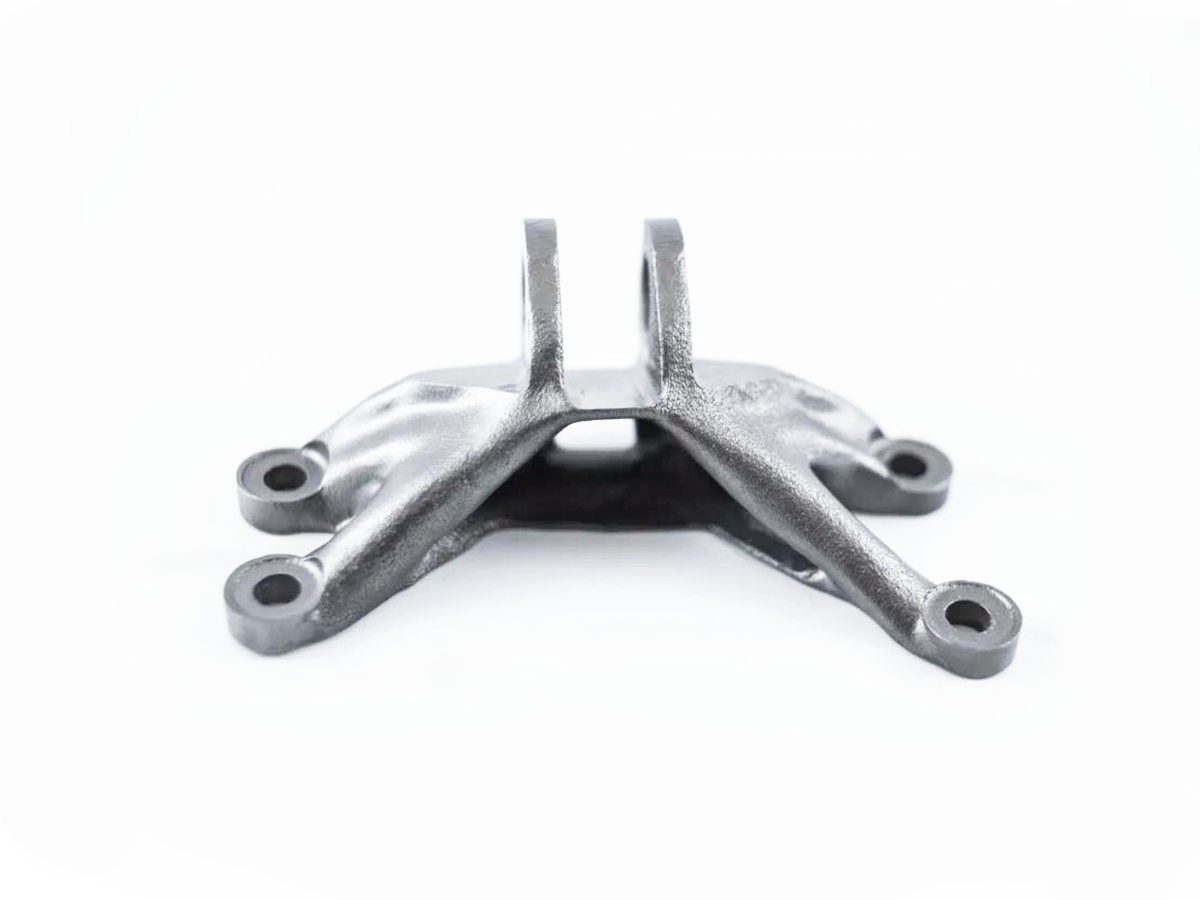
4130 and 4140 are suitable for structural and mechanical components where toughness and load-bearing capacity are priorities. Machining requires proper tool selection and speeds to optimize tool life and surface finish.
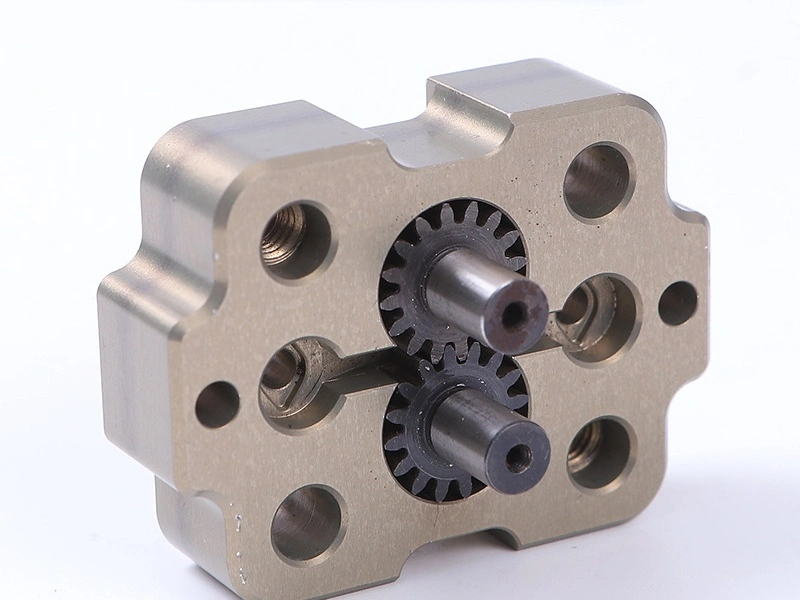
20MnCr5 is best for components requiring a hard surface and tough core, such as gears and transmission parts. Its higher cost is justified by the performance in wear-heavy applications.
3. Practical Tips
Use lower-carbon grades (1018, 1045) for quick prototypes and cost-sensitive production runs.
Choose higher-strength grades (4130, 4140) when parts are load-bearing or subjected to stress.
Consider case-hardening grades (20MnCr5) only when surface wear resistance is critical.
Always coordinate heat treatment, tooling, and feed rates to minimize machining costs and maximize part quality.