Reducing Risk in Custom CNC Part Sourcing
Reducing Risk in Custom CNC Part Sourcing is written for buyers who need a practical way to brief suppliers before price, lead time, and manufacturing risk are discussed. The focus keyword is custom machined parts, but the real goal is broader: make the RFQ clear enough that a CNC Machining supplier can review geometry, material, tolerances, finishing, inspection, and commercial assumptions without guessing.
A useful sourcing article should act like a working checklist rather than a loose overview. It should help purchasing teams, engineers, and quality contacts send the same baseline information to every supplier, compare answers fairly, and notice weak assumptions before a purchase order is released.
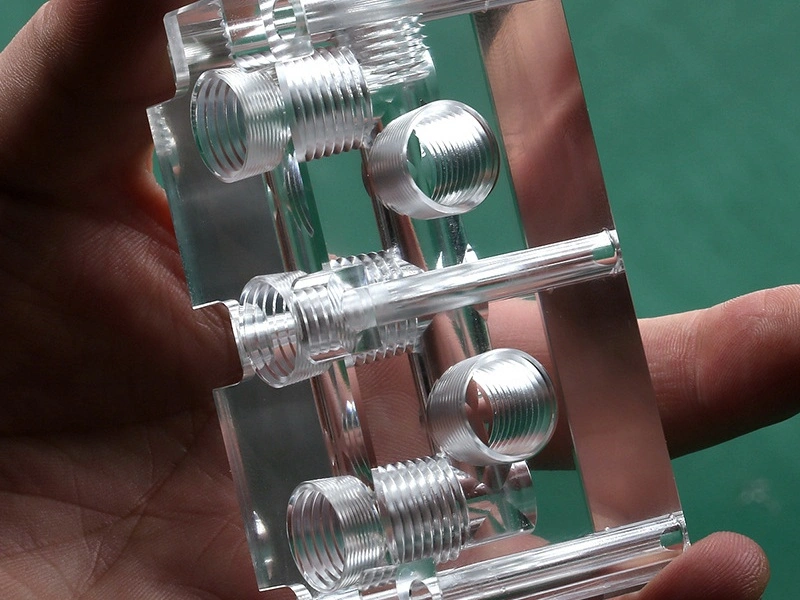
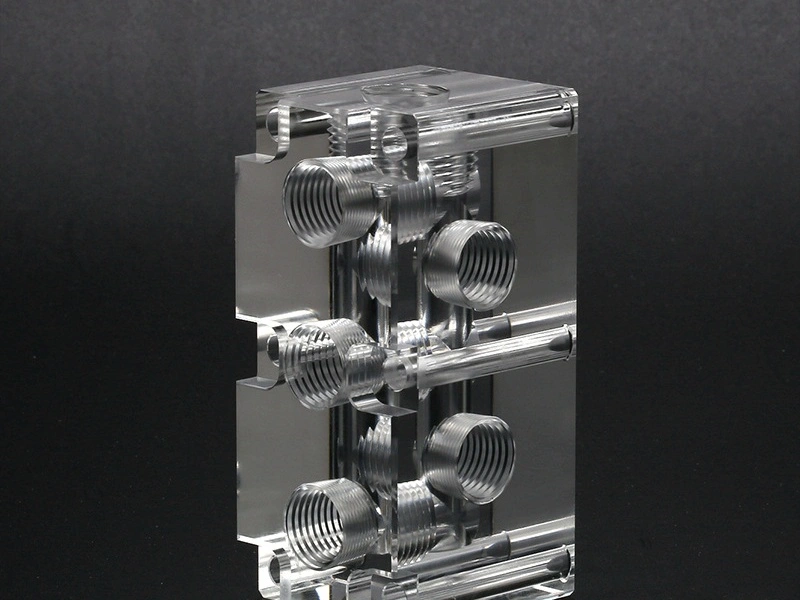
Start With the Part Function
Before a supplier can quote custom machined parts accurately, the buyer should explain what the part has to do. A bracket, shaft, housing, fixture plate, medical component, oilfield component, and prototype test part may all be machined on similar equipment, but they carry different risks. Function tells the supplier which features matter most and which requirements are simply inherited from an older drawing.
Part function also helps the supplier decide whether the RFQ should be treated as prototype review, production sourcing, or risk-controlled manufacturing. When the request fits custom CNC machining service, the buyer should state assembly purpose, mating parts, operating environment, and failure concerns in plain language. A short note can prevent several rounds of clarification.
The most common mistake is sending files without context. A model can show shape, but it cannot always explain why a bore is tight, why a face must stay cosmetic, why a thread needs a special depth, or why one material grade cannot be substituted. That context makes supplier feedback more useful and keeps quote assumptions visible.
In practical buyer-supplier communication, this start with the part function point should be written as a quote assumption, not left as a verbal note. When custom machined parts moves from RFQ to purchase order, the supplier should be able to trace the requirement back to the same drawing, model, email, or specification package. That traceability keeps CNC Machining decisions clear when purchasing, engineering, quality, and production teams review price changes, lead-time changes, or inspection questions later in the project.
Send Geometry and Drawing Data Together
A 3D model supports toolpath review, feature access checks, stock estimation, and setup planning. A 2D drawing confirms the requirements that usually control manufacturing responsibility: dimensions, tolerances, datum structure, threads, surface finish, material grade, coating notes, revision level, and inspection scope.
For Reducing Risk in Custom CNC Part Sourcing, the model and drawing should be treated as one controlled package. If only the model is available, the supplier can usually provide a rough review, but the final quote will carry more assumptions. If only a drawing is available, complex geometry may take longer to interpret. The strongest RFQ includes both and states which file controls if there is a conflict.
Buyers preparing an RFQ can compare their file package with one-stop manufacturing support. The point is not to create paperwork for its own sake. It is to make sure that each supplier quotes the same work, with the same material expectations, the same inspection scope, and the same revision baseline.
In practical buyer-supplier communication, this send geometry and drawing data together point should be written as a quote assumption, not left as a verbal note. When custom machined parts moves from RFQ to purchase order, the supplier should be able to trace the requirement back to the same drawing, model, email, or specification package. That traceability keeps CNC Machining decisions clear when purchasing, engineering, quality, and production teams review price changes, lead-time changes, or inspection questions later in the project.
Send STEP or native CAD for geometry review and machining access.
Send a 2D PDF drawing with tolerances, material, finish, and revision level.
State quantity, target delivery date, inspection needs, and production intent.
Identify whether DFM suggestions are welcome before final quotation.
Define Material and Substitution Rules
Material wording should be precise. A request for custom machined parts may involve aluminum, stainless steel, carbon steel, brass, copper, plastic, titanium, or a high-temperature alloy, but each family includes many grades and conditions. The RFQ should state the grade, standard, temper or condition, certificate requirement, and whether equivalent material can be proposed.
Substitution rules should be written before quotation. If an equivalent grade is acceptable, the supplier can use that flexibility to reduce lead time or cost. If no substitution is allowed because the part has customer approval, regulatory control, previous validation, or assembly history, that restriction should be explicit.
Material choice often connects directly with low-volume production planning. The supplier should also flag availability, minimum order quantity, certificate timing, and any post-machining treatment that could affect dimensions. This is where early supplier review can save time without changing the design intent.
In practical buyer-supplier communication, this define material and substitution rules point should be written as a quote assumption, not left as a verbal note. When custom machined parts moves from RFQ to purchase order, the supplier should be able to trace the requirement back to the same drawing, model, email, or specification package. That traceability keeps CNC Machining decisions clear when purchasing, engineering, quality, and production teams review price changes, lead-time changes, or inspection questions later in the project.
Separate Critical Tolerances From General Tolerances
A drawing with every dimension tightened can make a simple component expensive. A drawing with vague tolerances can make a critical component risky. The buyer should identify key characteristics, fit dimensions, datum features, sealing faces, threads, and cosmetic surfaces that need real control.
For CNC Machining, tolerance priority affects setup route, fixture design, machine selection, tool choice, inspection time, and finishing sequence. A supplier may be able to hold a tight dimension, but the cost and risk depend on where that dimension sits, how it relates to the datums, and whether it must be verified after coating or heat treatment.
The RFQ should also ask the supplier to flag features where the stated tolerance may conflict with wall thickness, tool access, burr control, or material movement. That review does not weaken the drawing. It makes the cost drivers visible before the buyer compares suppliers.
In practical buyer-supplier communication, this separate critical tolerances from general tolerances point should be written as a quote assumption, not left as a verbal note. When custom machined parts moves from RFQ to purchase order, the supplier should be able to trace the requirement back to the same drawing, model, email, or specification package. That traceability keeps CNC Machining decisions clear when purchasing, engineering, quality, and production teams review price changes, lead-time changes, or inspection questions later in the project.
Clarify Finish, Deburring, and Appearance
Surface finish requirements should be practical and measurable. A numeric roughness value is useful for sealing, sliding, cleaning, or fatigue-sensitive surfaces, but it does not fully describe cosmetic expectations. The buyer should state whether tool marks, handling marks, color variation, or visible deburring marks are acceptable.
Finishing can include tumbling, brushing, polishing, bead blasting, anodizing, passivation, black oxide, zinc plating, nickel plating, powder coating, or other outside processes. When finishing affects dimensions or appearance, it should be part of the original RFQ, not a late addition after a low machining-only quote has been received. Related planning can be reviewed through precision machining capability.
Deburring language also matters. A note such as break all sharp edges may be interpreted differently by different suppliers. If an edge must remain sharp, if a radius is required, or if a sealing edge cannot be rounded, the drawing should say so. This prevents a functional edge from being polished away during finishing.
In practical buyer-supplier communication, this clarify finish, deburring, and appearance point should be written as a quote assumption, not left as a verbal note. When custom machined parts moves from RFQ to purchase order, the supplier should be able to trace the requirement back to the same drawing, model, email, or specification package. That traceability keeps CNC Machining decisions clear when purchasing, engineering, quality, and production teams review price changes, lead-time changes, or inspection questions later in the project.
Ask for DFM Feedback Before Price Is Frozen
Design for manufacturability feedback is valuable when Reducing Risk in Custom CNC Part Sourcing involves deep pockets, thin walls, long slots, tight corner radii, difficult thread relief, multi-side features, cosmetic surfaces, or post-process dimensional risk. The supplier may suggest larger radii, revised tolerances, split construction, alternate material, or a clearer inspection method.
Buyers should decide whether the RFQ is open to suggestions. If the drawing is fixed, the supplier should quote to the drawing and list risks. If the design can still change, the buyer should invite practical feedback and ask what changes would improve cost, yield, or lead time. This is especially relevant when the work may require CNC milling support.
DFM comments should be recorded in writing. If the supplier quotes based on a modified tolerance, alternate finish, or changed inspection scope, that assumption must be visible in the quotation. Otherwise the buyer may approve a price that does not match the released drawing.
In practical buyer-supplier communication, this ask for dfm feedback before price is frozen point should be written as a quote assumption, not left as a verbal note. When custom machined parts moves from RFQ to purchase order, the supplier should be able to trace the requirement back to the same drawing, model, email, or specification package. That traceability keeps CNC Machining decisions clear when purchasing, engineering, quality, and production teams review price changes, lead-time changes, or inspection questions later in the project.
Match Inspection Scope to Application Risk
Inspection scope should be proportional to the risk of the part. A simple fixture plate may need basic dimensional checks. A precision shaft, medical part, aerospace component, oilfield component, or high-temperature component may need CMM reporting, material traceability, first article inspection, and specific certificate review.
For custom machined parts, the RFQ should state whether the supplier must provide material certificates, coating certificates, dimensional reports, CMM results, surface roughness records, thread gauge checks, or sample photos. If the buyer needs every drawing dimension reported, that time must be included in the quote.
Suppliers connected with CNC turning support should also explain how they control first-off inspection, in-process checks, final inspection, and nonconforming parts. The buyer does not need to audit every detail for every order, but the quotation should identify the inspection basis clearly.
In practical buyer-supplier communication, this match inspection scope to application risk point should be written as a quote assumption, not left as a verbal note. When custom machined parts moves from RFQ to purchase order, the supplier should be able to trace the requirement back to the same drawing, model, email, or specification package. That traceability keeps CNC Machining decisions clear when purchasing, engineering, quality, and production teams review price changes, lead-time changes, or inspection questions later in the project.
List critical dimensions that require documented inspection.
Confirm whether CMM, FAI, material certificates, or coating certificates are required.
Ask suppliers to state exclusions before quote approval.
Review Quantity, Lead Time, and Production Intent Together
Quantity changes the quote logic. A single prototype may be dominated by programming, setup, material minimums, and manual finishing. A pilot batch may justify simple fixtures and tighter process notes. Repeat production may require stronger documentation, stable material sourcing, and packaging control.
Lead time should be discussed with the same honesty. Urgent work may need available stock, simpler finishing, partial shipment, or staged inspection. Long-lead materials, outside treatments, and special reports can dominate the schedule. For repeat orders, {linked[6]} may be relevant because the supplier must plan beyond one machining cycle.
The buyer should ask suppliers to separate unit price, setup or fixture cost, finishing cost, inspection cost, certificate cost, packing cost, and freight assumptions. That breakdown makes quotes easier to compare and reduces the chance that a low price grows after clarification.
In practical buyer-supplier communication, this review quantity, lead time, and production intent together point should be written as a quote assumption, not left as a verbal note. When custom machined parts moves from RFQ to purchase order, the supplier should be able to trace the requirement back to the same drawing, model, email, or specification package. That traceability keeps CNC Machining decisions clear when purchasing, engineering, quality, and production teams review price changes, lead-time changes, or inspection questions later in the project.
Compare Suppliers on the Same Baseline
Supplier comparison only works when each supplier receives the same information. If one shop receives a model, drawing, finish note, and inspection list while another receives only a model and quantity, the prices cannot be compared fairly. The cheaper quote may simply exclude work that the buyer still expects.
For Reducing Risk in Custom CNC Part Sourcing, the buyer should ask each supplier to list assumptions and exclusions. A reliable quote may include fixture time, special tooling, outside finishing, or inspection effort that another supplier ignores. That does not automatically make it worse. It may show that the supplier read the drawing carefully.
Communication quality matters too. A supplier who asks focused questions about datums, tolerances, finishing, and certificates may be showing stronger technical control. If a quote arrives instantly but ignores obvious gaps, the buyer should treat it carefully and compare it with options such as multi-axis machining review.
In practical buyer-supplier communication, this compare suppliers on the same baseline point should be written as a quote assumption, not left as a verbal note. When custom machined parts moves from RFQ to purchase order, the supplier should be able to trace the requirement back to the same drawing, model, email, or specification package. That traceability keeps CNC Machining decisions clear when purchasing, engineering, quality, and production teams review price changes, lead-time changes, or inspection questions later in the project.
Control Revisions Before and After PO Release
Many CNC projects change after the first quotation. A tolerance is adjusted, a thread is added, a coating is changed, or a prototype result leads to a new wall thickness. Revision control should therefore be part of the RFQ process, not something handled after confusion appears.
The quotation for custom machined parts should identify drawing revision, model revision, file date, and any supplier assumptions. If a revised file is sent later, the buyer should ask whether price, lead time, setup plan, material order, and inspection plan still apply. This protects both sides from manufacturing against an obsolete package.
Revision control is especially important when engineering, purchasing, quality, and supplier sales contacts are all copied. One confirmed release package and one agreed method for sending changes can prevent old models, old drawings, and old email notes from being mixed into production.
In practical buyer-supplier communication, this control revisions before and after po release point should be written as a quote assumption, not left as a verbal note. When custom machined parts moves from RFQ to purchase order, the supplier should be able to trace the requirement back to the same drawing, model, email, or specification package. That traceability keeps CNC Machining decisions clear when purchasing, engineering, quality, and production teams review price changes, lead-time changes, or inspection questions later in the project.
Set Packaging and Delivery Expectations
Packaging is easy to overlook until parts arrive scratched, mixed, unprotected, or difficult to identify. Buyers should state whether parts need individual wrapping, foam separation, VCI bags, thread caps, oil protection, custom trays, lot labels, barcode labels, or part-number labels.
Delivery expectations should also be clear. If partial shipment is acceptable, if first article approval must happen before the balance is produced, or if certificates must be reviewed before shipment, those points belong in the RFQ. They may not change machining difficulty, but they change supplier responsibility and schedule. This is another reason CNC prototyping service can matter in real sourcing work.
A complete buyer guide follows the component from RFQ through material purchase, machining, inspection, finishing, packing, and delivery. That wider view makes the content useful for actual sourcing decisions rather than only for search traffic.
In practical buyer-supplier communication, this set packaging and delivery expectations point should be written as a quote assumption, not left as a verbal note. When custom machined parts moves from RFQ to purchase order, the supplier should be able to trace the requirement back to the same drawing, model, email, or specification package. That traceability keeps CNC Machining decisions clear when purchasing, engineering, quality, and production teams review price changes, lead-time changes, or inspection questions later in the project.
A final review of Reducing Risk in Custom CNC Part Sourcing should therefore be more than a price request. The buyer should check whether the supplier has understood the part function, the file revision, the material rule, the tolerance priority, the finishing expectation, the inspection scope, the production quantity, and the delivery condition. If one of these items is unclear, the quote may still be usable for discussion, but it should not be treated as a controlled manufacturing offer.
The practical value of this process is consistency. When every supplier receives the same RFQ package for custom machined parts, purchasing can compare responses on the same technical baseline. Engineering can review DFM comments without searching through scattered emails. Quality can confirm whether inspection records match the real application risk. That is how a CNC Machining sourcing project moves from search traffic to a workable supplier decision. It also gives future repeat orders a cleaner starting point because the accepted assumptions, rejected alternatives, and inspection expectations are already written in one place.
Review area | Buyer should confirm | Supplier should clarify |
|---|---|---|
Files | 3D model, 2D drawing, revision, and quantity for custom machined parts | Manufacturing assumptions and missing dimensions |
Material | Grade, condition, certificate, and substitution rules for CNC Machining | Stock availability, equivalent options, and lead time |
Tolerances | Critical dimensions, datums, threads, and fit requirements | Setup route, inspection method, and cost impact |
Finish | Surface roughness, coating, deburring, and cosmetic expectations | Post-process risk and protected surfaces |
Inspection | CMM, FAI, material certificate, coating certificate, and key characteristics | Report format, sample size, and acceptance basis |
FAQ