Titanium CNC Prototyping: Custom Parts for Aerospace and Medical Applications
Titanium CNC Prototyping: Custom Parts for Aerospace and Medical Applications
Titanium CNC prototyping is used when engineers need more than a visual sample. In aerospace and medical development, prototype parts often need to reflect real material strength, weight, corrosion resistance, machining behavior, and assembly performance. That is why many teams choose CNC Machining Prototyping for titanium components instead of relying only on concept models or substitute materials.
For custom parts with critical bores, threaded features, datum surfaces, sealing faces, or structural mounting interfaces, titanium prototypes can help validate the real manufacturability of the final design. This is especially valuable when the next stage may move into qualification testing, pilot production, or low-volume supply. In these cases, prototype accuracy is not only about shape. It is about whether the part behaves like the intended production component.
Why Titanium Is Used for Functional Prototype Parts
Titanium is often selected for prototypes because it combines high strength-to-weight performance, corrosion resistance, and long-term material reliability. For aerospace projects, this helps engineers validate lightweight structural performance and fatigue-sensitive interfaces. For medical projects, titanium is often chosen when the part must reflect cleanable, corrosion-resistant, or biocompatible design intent.
Unlike simplified metal substitutes, titanium prototypes can provide more realistic feedback on assembly, machining access, thread integrity, wall stiffness, and functional geometry. When a project is expected to use titanium in final production, prototyping in a different metal may reduce cost in the short term but create misleading engineering results. For that reason, many development teams move directly into Titanium machining for important validation parts.
Prototype Requirement | Why Titanium Is Chosen |
|---|---|
Lightweight structural validation | Supports realistic strength-to-weight evaluation |
Corrosion-resistant performance | Reflects final-use environment better than ordinary steels |
Functional assembly testing | Allows real bores, threads, faces, and mating features to be checked |
Medical development parts | Supports material logic closer to implant or instrument applications |
Aerospace prototype components | Provides more representative performance for high-value parts |
Common Titanium Prototype Parts for Aerospace and Medical Projects
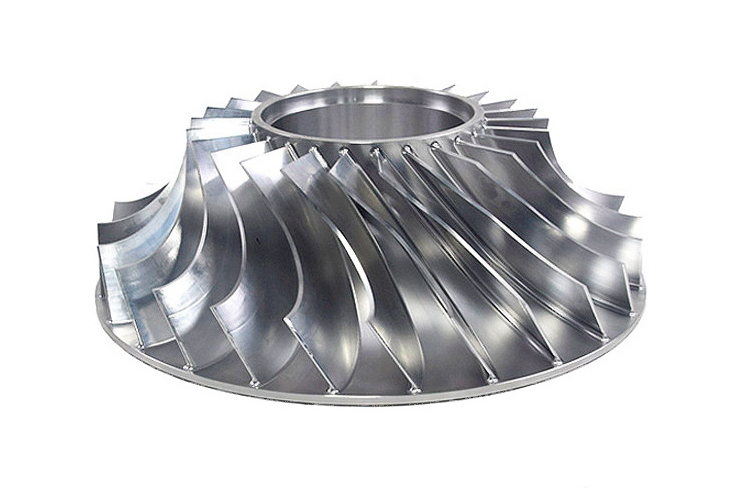
Titanium prototype parts are commonly used in programs where weight, strength, corrosion resistance, or geometric stability matter early in development. In Aerospace and Aviation, prototype parts may include brackets, housings, mounting structures, turbine-related interfaces, sensor carriers, and lightweight support components. These parts often include multiple machined faces, hole patterns, and assembly-critical surfaces that must match the intended final configuration.
In Medical Device development, titanium prototypes may include instrument bodies, test fixtures, implant-related geometries, alignment blocks, precision connectors, and structural support parts. In these projects, buyers often focus on surface quality, small-feature accuracy, thread quality, cleanliness requirements, and dimensional stability across mating features.
Which Titanium Grades Are Commonly Used for CNC Prototypes?
Material selection for titanium prototypes depends on the engineering purpose of the sample. For many aerospace and general high-performance projects, Ti-6Al-4V (TC4) is the most common grade because it offers a strong balance of strength, weight, and proven use in structural components. It is often selected when the prototype must closely reflect the intended final production alloy.
For medical-related development, teams may also consider lower-interstitial or purer titanium grades depending on the design purpose, regulatory path, and final application. The important point in prototyping is not simply choosing a machinable grade. It is selecting the grade that gives the most useful engineering information for the next project stage.
Titanium Grade | Common Prototype Use | Typical Reason for Selection |
|---|---|---|
Ti-6Al-4V / TC4 | Aerospace brackets, structural components, functional mechanical parts | High strength-to-weight ratio and broad engineering relevance |
Ti-6Al-4V ELI | Medical and cleaner-surface development parts | Better alignment with medical-grade application needs |
Commercially pure titanium grades | Corrosion-focused or lower-load development parts | Useful when strength is less critical than corrosion behavior |
What Features Can Titanium CNC Prototypes Validate?
Titanium CNC prototypes are valuable because they allow real feature validation before the design enters more expensive qualification or production stages. These parts can be used to verify threaded holes, sealing faces, bearing-related bores, datum surfaces, mounting interfaces, step transitions, flatness-critical faces, and local wall stiffness. When the application includes multiple mating parts, titanium prototypes also help confirm assembly fit and functional alignment under more realistic material conditions.
This is one of the major differences between CNC titanium prototypes and many early-stage printed or cosmetic models. CNC-machined titanium parts can reflect how the final design behaves with true machined surfaces and realistic local geometry. For buyers planning future production transfer, this creates a stronger link between early validation and later manufacturing decisions.
How Titanium CNC Prototyping Differs From 3D Printing or Soft-Metal Substitutes
Titanium CNC prototyping is generally chosen when the development goal requires real material behavior and controlled machined geometry. 3D printing may still be useful for quick concept evaluation or very early geometry studies, but it is often less representative when the project depends on machined tolerances, precise bores, structural threads, bearing interfaces, or production-like surfaces.
Using aluminum or other easier-to-machine metals as substitutes can reduce cost, but it may also distort weight, stiffness, thread strength, corrosion behavior, and fit verification. For that reason, titanium CNC prototyping is often the stronger option when the sample must answer final-use engineering questions rather than only support design visualization.
Development Goal | Titanium CNC Prototyping | Alternative Route |
|---|---|---|
Real material validation | More suitable | Substitute materials may give misleading results |
Precise assembly features | More suitable | Printed parts may need added finishing |
Fast visual concept model | Usable but not always ideal | 3D printing may be more economical |
Production-related validation | Stronger path | Soft-material prototypes may not transfer well |
What Information Is Needed to Quote Titanium Prototype Parts?
A good titanium prototype quote depends on complete engineering information. The supplier should understand not only the part geometry, but also which features are functionally critical, whether the sample is for fit or load testing, and whether the project may move into repeated supply. For that reason, both 3D and 2D data are important.
Required RFQ Information | Why It Matters |
|---|---|
3D CAD file | Defines geometry, machining access, and process scope |
2D drawing with tolerances | Identifies critical dimensions, threads, and inspection needs |
Titanium grade | Determines material cost, machining route, and functional realism |
Quantity | Changes setup logic and prototype pricing |
Surface finish requirement | Clarifies whether the part is for fit, function, or surface validation |
Inspection requirement | Defines whether reports or additional verification are needed |
Application or test purpose | Helps prioritize critical features during review |
How Titanium Prototypes Support the Next Stage of Development
Titanium prototypes are often most valuable when they are used as part of a larger development path. After design review, these parts can support functional validation, customer sample approval, tolerance adjustment, and process feedback before the project enters pilot quantities. If the design is confirmed, the same logic can continue into Low Volume Manufacturing for bridge production or early supply.
That continuity helps buyers reduce risk because the prototype is not treated as a disconnected sample. Instead, it becomes the first step in a more scalable manufacturing route. For aerospace and medical projects, this is often more useful than optimizing only for the fastest possible sample lead time.
Request a Quote for Custom Titanium Prototype Parts
If your project requires custom titanium prototype parts for aerospace or medical applications, the most effective RFQ package usually includes the 3D file, 2D drawing, target material grade, quantity, finish requirement, and the main purpose of the sample. That allows the engineering team to review the part for manufacturability, critical features, and the best route for functional validation.
For projects where real material behavior, controlled machining features, and future production relevance matter, titanium CNC prototyping provides a stronger path than concept-only samples. It helps engineering teams validate the part in the material they actually plan to use.