5140 Steel
Introduction to 5140 Steel: A High-Strength Alloy for Heavy-Duty Applications
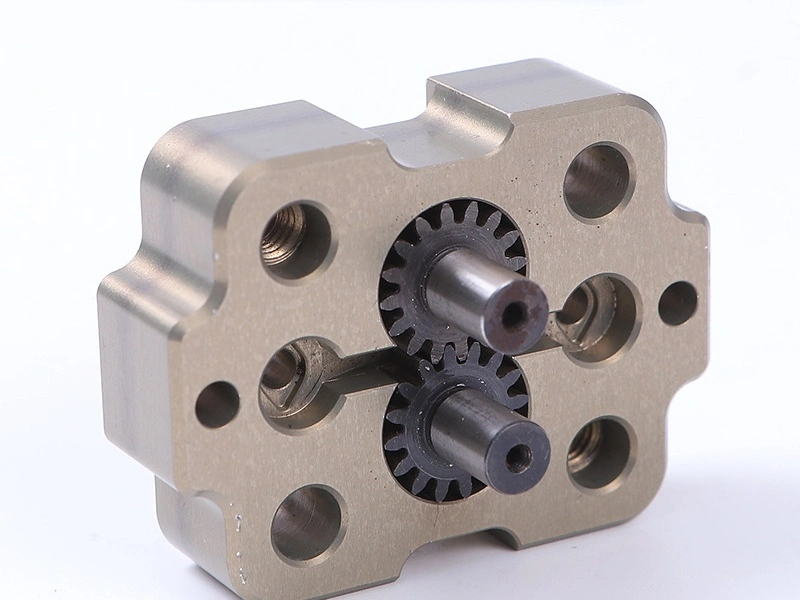
5140 steel is a high-quality chromium alloy steel known for its excellent strength, hardness, and wear resistance. It contains carbon in the range of 0.38–0.43% along with alloying elements such as chromium (0.70–0.90%) and manganese (0.60–0.90%) that improve its toughness, impact resistance, and hardenability. 5140 steel is typically used in high-stress applications, including gears, shafts, and automotive components.
5140 steel is versatile, offering a balance between strength and toughness, making it suitable for demanding environments. Its ability to be heat-treated to achieve higher tensile strength (up to 860 MPa) and hardness (up to 300 HB) enhances its suitability for heavy-duty components. CNC-machined 5140 steel parts are widely used in automotive, mining, and machinery manufacturing industries, where high-performance materials are required.
5140 Steel: Key Properties and Composition
5140 Steel Chemical Composition
Element | Composition (wt%) | Role/Impact |
|---|---|---|
Carbon (C) | 0.38–0.43% | Provides strength and hardness, especially when heat-treated. |
Chromium (Cr) | 0.70–0.90% | Improves hardness, toughness, and resistance to wear at elevated temperatures. |
Manganese (Mn) | 0.60–0.90% | Increases strength and toughness, especially in heat-treated conditions. |
Silicon (Si) | 0.20–0.35% | Enhances strength and helps in hardenability. |
Phosphorus (P) | ≤0.035% | Reduces brittleness and improves machinability. |
5140 Steel Physical Properties
Property | Value | Notes |
|---|---|---|
Density | 7.85 g/cm³ | Similar to other carbon alloy steels. |
Melting Point | 1,420–1,520°C | Suitable for both hot and cold working processes. |
Thermal Conductivity | 42.7 W/m·K | Moderate heat dissipation capacity, ideal for high-load applications. |
Electrical Resistivity | 1.8×10⁻⁷ Ω·m | Low electrical conductivity, making it suitable for non-electrical applications. |
5140 Steel Mechanical Properties
Property | Value | Testing Standard/Condition |
|---|---|---|
Tensile Strength | 650–860 MPa | ASTM A29/AISI 5140 standard |
Yield Strength | 450–600 MPa | High strength for heavy-duty applications. |
Elongation (50mm gauge) | 15–20% | Adequate ductility for forming and welding processes. |
Brinell Hardness | 250–300 HB | Provides improved wear resistance and hardness compared to A36. |
Machinability Rating | 55% (vs. 1212 steel at 100%) | Suitable for CNC turning, milling, and drilling operations. |
Key Characteristics of 5140 Steel: Benefits and Comparisons
5140 steel is known for its strength, hardness, and excellent machinability. Below is a technical comparison highlighting its unique advantages over similar carbon steel materials like 1018 Steel, 1045 Steel, and 4140 Steel.
1. High Strength and Wear Resistance
Unique Trait: 5140 steel provides superior tensile strength (650–860 MPa) and wear resistance, making it ideal for parts undergoing high loads and abrasive conditions.
Comparison:
vs. 1018 Steel: 5140 offers significantly better strength and wear resistance than 1018, making it ideal for automotive, mining, and machinery applications.
vs. 1045 Steel: 5140 provides a higher strength-to-weight ratio, making it a better option for demanding mechanical parts like shafts and gears.
vs. 4140 Steel: 5140 and 4140 are similar in terms of strength but 5140’s higher machinability makes it more suitable for intricate parts with tighter tolerances.
2. Excellent Toughness
Unique Trait: With its nickel and chromium content, 5140 steel exhibits excellent toughness, making it ideal for applications that require high resistance to shock and impact loading.
Comparison:
vs. 1018 Steel: 5140 has significantly better toughness, making it suitable for parts that will experience repeated impacts and stresses.
vs. 1045 Steel: 5140’s higher alloy content makes it tougher and more fatigue-resistant than 1045.
3. Superior Machinability
Unique Trait: 5140 steel is easy to machine, even though it is a high-strength steel, making it ideal for complex, high-precision CNC machining.
Comparison:
vs. 1018 Steel: 5140 is harder and stronger than 1018 but still maintains good machinability, making it a better option for more demanding CNC applications.
vs. 4140 Steel: 5140 is slightly easier to machine than 4140, which makes it a good choice when tight tolerances and detailed machining are required.
4. High Impact Resistance
Unique Trait: The alloying elements in 5140 steel enhance its resistance to impact, making it ideal for components that need to withstand repetitive shock loading.
Comparison:
vs. 1018 Steel: 5140 is much more impact-resistant than 1018, making it ideal for applications like gear shafts and structural components.
CNC Machining Challenges and Solutions for 5140 Steel
Machining Challenges and Solutions
Challenge | Root Cause | Solution |
|---|---|---|
Work Hardening | High alloy content (Cr, Mn, Ni) | Use carbide tools with TiN coatings to reduce friction and heat buildup. |
Surface Roughness | High hardness causing rough finish | Optimize feed rates and use high-speed machining for smoother surfaces. |
Burr Formation | Toughness of 5140 steel | Use proper deburring tools and adjust feed rates during final machining stages. |
Dimensional Inaccuracy | Heat distortion during machining | Perform stress-relief annealing to ensure dimensional stability. |
Chip Control Issues | Stringy chips | Use high-pressure coolant (7–10 bar) and use chip breakers for better control. |
Optimized Machining Strategies
Strategy | Implementation | Benefit |
|---|---|---|
High-Speed Machining | Spindle speed: 1,000–1,500 RPM | Reduces heat buildup and improves tool life by 30%. |
Climb Milling | Directional cutting path for optimal surface finish | Achieves surface finishes of Ra 1.6–3.2 µm, improving part aesthetics. |
Toolpath Optimization | Use trochoidal milling for deep pockets | Reduces cutting forces by 40%, minimizing part deflection. |
Stress-Relief Annealing | Preheat to 650°C for 1 hour per inch | Minimizes dimensional variation to ±0.03 mm. |
Cutting Parameters for 5140 Steel
Operation | Tool Type | Spindle Speed (RPM) | Feed Rate (mm/rev) | Depth of Cut (mm) | Notes |
|---|---|---|---|---|---|
Rough Milling | 4-flute carbide end mill | 1,000–1,500 | 0.20–0.30 | 2.0–4.0 | Use flood coolant to prevent work hardening. |
Finish Milling | 2-flute carbide end mill | 1,500–1,800 | 0.05–0.10 | 0.5–1.0 | Climb milling for smoother finishes (Ra 1.6–3.2 µm). |
Drilling | 135° split-point HSS drill | 600–800 | 0.10–0.15 | Full hole depth | Peck drilling for precise hole formation. |
Turning | CBN or coated carbide insert | 300–500 | 0.20–0.30 | 1.5–3.0 | Dry machining is acceptable with air blast cooling. |
Surface Treatments for CNC Machined 5140 Steel Parts
Electroplating: Adds a corrosion-resistant metallic layer, extending part life in humid environments and improving strength.
Polishing: Enhances the surface finish, providing a smooth, shiny appearance ideal for visible components.
Brushing: Creates a satin or matte finish, masking minor surface defects and improving aesthetic quality for architectural components.
PVD Coating: Boosts wear resistance, increasing tool life and part longevity in high-contact environments.
Passivation: Creates a protective oxide layer, enhancing corrosion resistance in mild environments without altering dimensions.
Powder Coating: Offers high durability, UV resistance, and a smooth finish, ideal for outdoor and automotive parts.
Teflon Coating: Provides non-stick and chemical-resistant properties, ideal for food processing and chemical handling components.
Chrome Plating: Adds a shiny, durable finish that enhances corrosion resistance, commonly used in automotive and tooling applications.
Black Oxide: Provides a corrosion-resistant black finish, ideal for parts in low-corrosion environments like gears and fasteners.
Industry Applications of CNC Machined 5140 Steel Parts
Automotive Industry
Suspension Components: 5140 steel’s high strength and toughness make it ideal for automotive suspension parts that undergo repeated stress.
Aerospace Industry
Aircraft Landing Gear: 5140 steel is commonly used in aerospace for critical parts like landing gear due to its high strength-to-weight ratio.
Energy and Defense
Drill Rods and Couplings: 5140 is often used in drilling applications where durability and fatigue resistance are crucial.
Explore Related Blogs